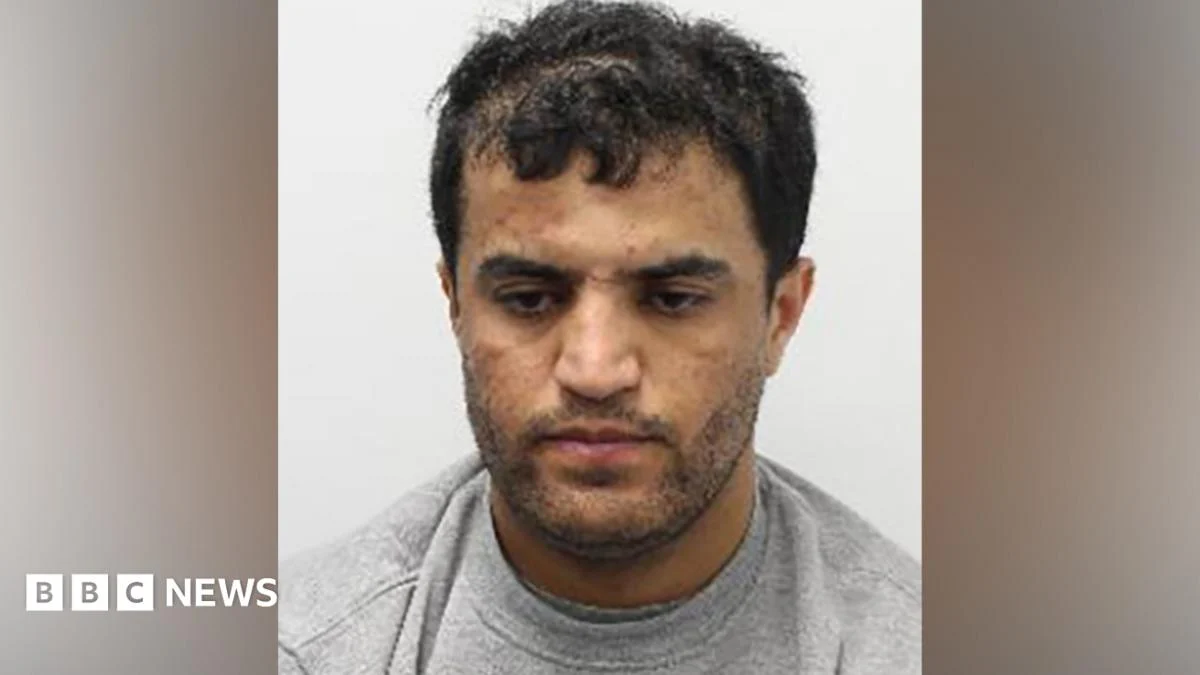
A British judge has ruled that Dawood Safi, responsible for killing a dog walker and injuring two others in a west London knife attack, should be deported. The court’s recommendation follows the violent incident that shocked local residents. The decision now moves to immigration authorities for consideration.
The case stemmed from a deadly knife attack in west London where Wayne Broadhurst was killed and two other people were injured. A judge issued the deportation ruling after the perpetrator’s conviction.
Key Facts
- Dawood Safi killed Wayne Broadhurst in a knife attack.
- Two additional people were injured in the attack.
- The incident occurred in west London.
- A judge has ruled that Safi should be deported.
Who Is Affected by the Deportation Ruling?
The ruling impacts Dawood Safi directly, as any final deportation order would result in his removal from the UK. It may also affect Wayne Broadhurst’s family and friends, who have endured the loss of a loved one due to violence. The injured victims continue to recover, potentially with long-term physical or emotional consequences.
Additionally, UK immigration and legal systems are called into question regarding how foreign nationals convicted of serious crimes are handled. The case highlights broader discussions around national security, public safety, and immigration enforcement policies. Broader communities affected by knife crime may see this as either a step toward justice or part of ongoing concerns about repeat offenses.
Legal experts and human rights advocates often weigh in on such rulings, especially when they involve capital punishment alternatives like deportation instead of extended prison sentences. This case underscores how individual incidents can reflect larger systemic issues within the justice framework.
What Happens Next?
Following the judge’s recommendation, UK Visas and Immigration will review the deportation order to determine whether it can be enforced. If approved, Safi will likely face expedited removal proceedings based on his criminal conviction.
The timeline depends on several factors including diplomatic relations with his country of origin, availability of travel documents, and potential appeals processes. Legal representatives for Safi might challenge the deportation if grounds exist under international law or bilateral agreements between nations.
Meanwhile, advocacy groups monitoring immigration detention and deportation practices will scrutinize the handling of this case. Public attention remains high given recent debates over border control and criminal justice outcomes tied to foreign nationals convicted of serious offenses.
What We Know — And What We Don’t
Verified by the source:
- Dawood Safi was convicted of killing Wayne Broadhurst.
- Two people were injured alongside the fatal attack.
- The crime took place in west London.
- A judge ruled that Safi should be deported.
Still unconfirmed:
- The exact date of the attack or arrest.
- The specific charges or sentence handed down.
- Nationality or country of origin for Safi.
- Whether any appeal or review process has begun.
Why It Matters
This ruling touches on key issues facing modern Britain: public safety, immigration policy, and the balance between rehabilitation and removal. Knife violence continues to impact cities across the UK, prompting calls for stricter sentencing and swift deportation of non-citizens involved in such crimes. The case also reflects tensions in managing legal responsibilities while respecting human rights obligations during deportation procedures.
What To Watch
All eyes are on whether UKVI proceeds with enforcing the deportation order and if any appeals arise from Safi’s legal team. Updates from the Home Office or immigration tribunal could clarify next steps soon.