Lede
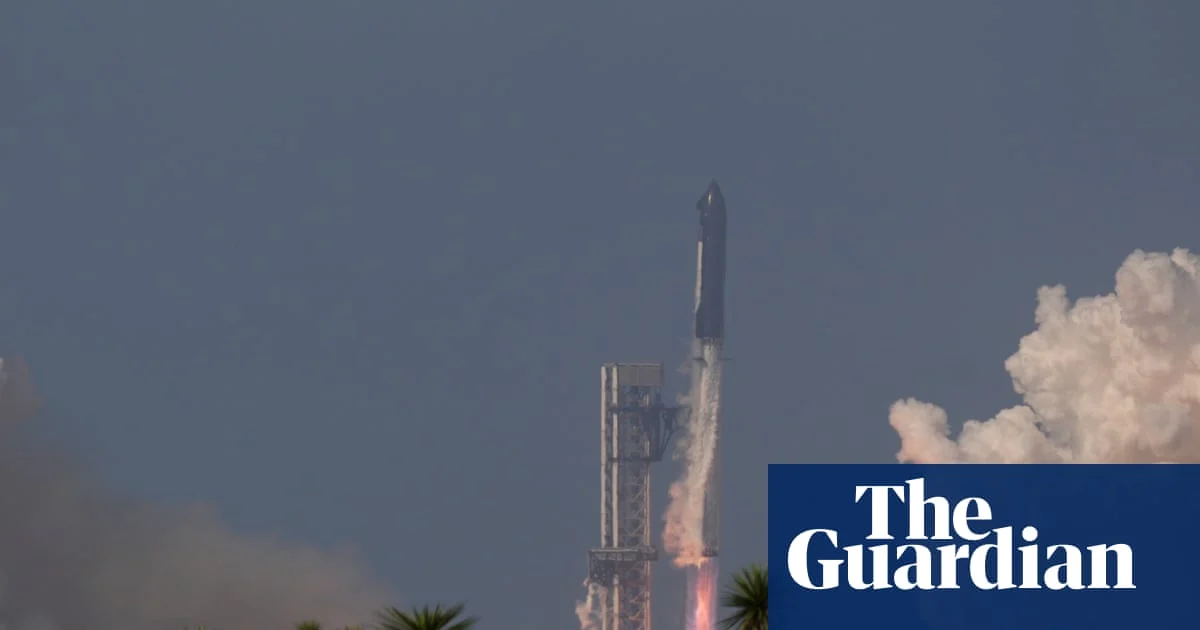
A US district judge refused to halt the transfer of more than 700 acres of wildlife refuge land to SpaceX in Texas, rejecting environmental groups’ calls for a preliminary injunction. The ruling allows the Trump administration to proceed with a controversial land swap that expands rocket testing capacity for Elon Musk’s company, though legal challenges continue.
Judge Fernando Rodriguez Jr. ruled that the plaintiffs had not demonstrated that the parcel exchange would worsen ecological risks in an area already heavily impacted by SpaceX operations. Environmental advocates vowed to press forward with their broader legal challenge despite the setback.
Key Facts
- A US judge rejected a request to block the SpaceX land transfer.
- The land involves over 700 acres of wildlife refuge property in Texas.
- The swap was approved under the Trump administration.
- Environmental groups plan to continue opposing the deal.
- Rodriguez said plaintiffs failed to show increased ecological risks.
Who Is Affected by the Ruling?
The decision affects multiple stakeholders, including federal wildlife agencies managing the refuge, environmental organizations seeking to protect coastal ecosystems, and SpaceX, which has been rapidly expanding its launch and testing infrastructure in Texas. Local communities near Boca Chica have also expressed concerns about noise pollution and environmental disruption tied to frequent rocket tests.
Federal officials previously justified the land swap as beneficial for national interests, citing economic development opportunities and technological advancement. However, conservationists argue that sacrificing protected habitat undermines long-term environmental stewardship in a sensitive Gulf Coast ecosystem.
The case highlights growing tensions between private aerospace expansion and public land protections, especially as companies like SpaceX seek larger footprints for experimental missions to space.
What Happens Next?
Environmental groups have signaled their intent to pursue further litigation beyond this preliminary stage. They may file appeals or bring new claims challenging the legality of the land swap itself or other aspects of federal permitting tied to SpaceX activities.
Legal experts note that even if the current injunction bid fails, higher courts could evaluate whether proper environmental reviews were conducted before approving the transfer. These proceedings may delay or reshape future implementation timelines for additional land exchanges.
Further clarity is expected when regulators release updated impact assessments and when the court sets future hearing dates in the ongoing lawsuit.
What We Know — and What We Don’t
Verified by the source:
- The federal judge denied the preliminary injunction requested by plaintiffs.
- The exchanged land totals more than 700 acres within a designated wildlife refuge.
- The transaction occurred during the Trump administration’s tenure.
- Environmental groups confirmed plans to maintain legal opposition.
- Judge Rodriguez cited insufficient evidence of heightened ecological harm.
Still unconfirmed:
- The exact location of the wildlife refuge parcel beyond being in Texas.
- Specific ecological impacts already documented in the region.
- Details regarding terms of the broader land swap agreement.
- Names of specific environmental organizations involved in the suit.
- Potential next steps or deadlines in the continuing litigation.
Why It Matters
This ruling reflects escalating conflicts between emerging commercial space industries and environmental regulation. As private companies expand operations on public lands, questions arise about balancing innovation with conservation obligations—especially in ecologically fragile regions like the Gulf Coast.
What to Watch
Future court rulings on appeals or revised injunctions will determine whether the land transfer remains final or faces additional delays. Stakeholders are awaiting potential responses from federal agencies overseeing the refuge and any revised environmental evaluations.