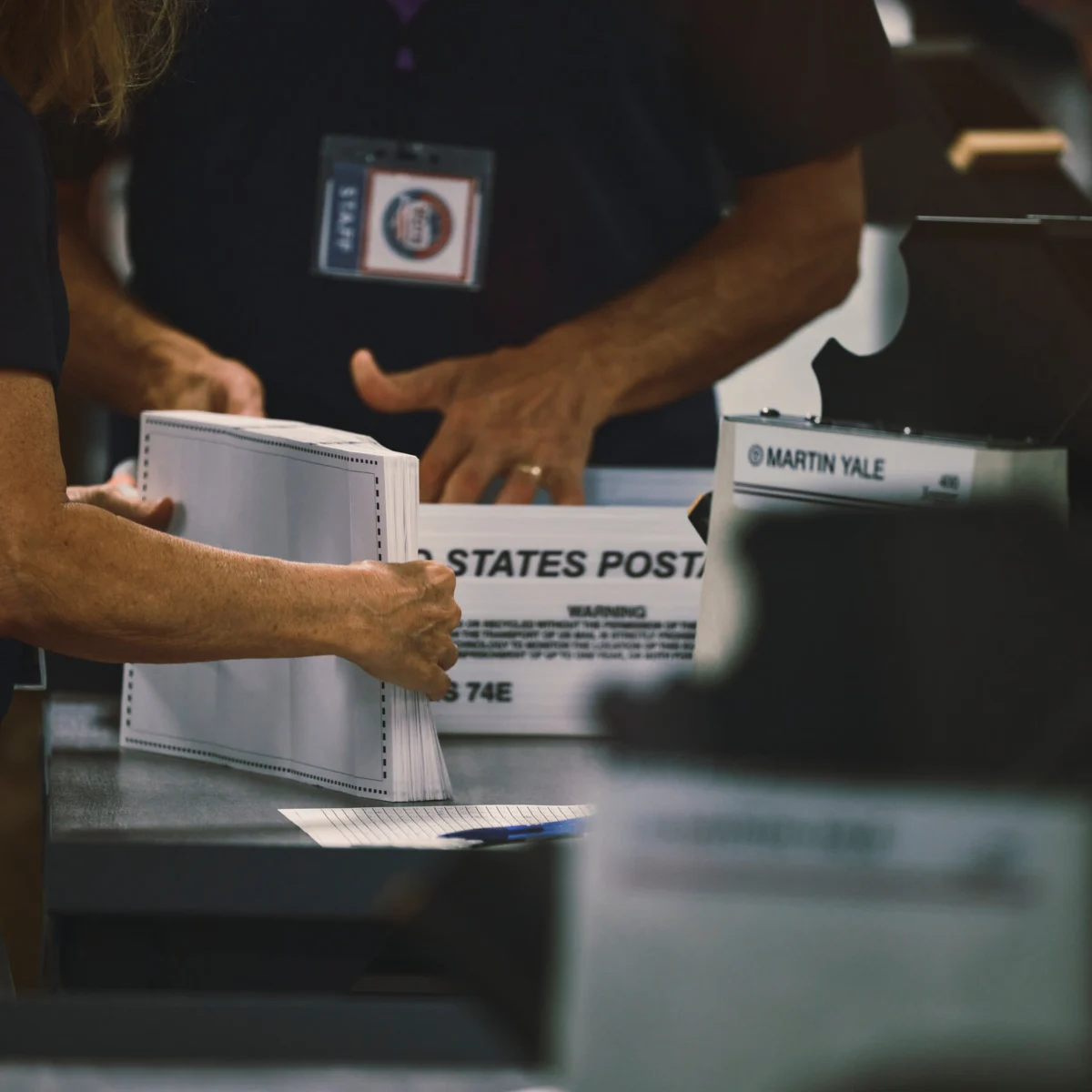
A federal judge has once again prevented the United States Postal Service from implementing restrictions on the mail-in vote. This judicial action follows the judge’s review of the agency’s final plan, which aimed to comply with President Trump’s demands regarding mail-in voting procedures. The ruling underscores ongoing legal scrutiny over changes affecting the upcoming electoral process.
This development marks another chapter in the legal challenges surrounding election integrity and the operational changes within the Postal Service. The judge’s decision ensures that previously proposed restrictions, which could impact how citizens cast their ballots by mail, will not be put into effect at this time, maintaining existing procedures for the mail-in vote.
KEY FACTS
- A federal judge barred the Postal Service from restricting mail-in voting.
- The judge reviewed the agency’s final plan.
- The plan was intended to comply with President Trump’s demands.
- This action marks a repeated intervention by the judge.
What Led to This Decision?
The judge’s recent order comes after a detailed review of the Postal Service’s proposed plan. This plan was specifically formulated to address and comply with demands made by President Trump regarding mail-in voting operations. The judicial oversight indicates a close examination of how these proposed changes might impact the accessibility and processing of mail-in ballots. The focus was on ensuring that any modifications did not unduly restrict citizens’ ability to participate in elections through mail-in vote mechanisms.
The repeated judicial intervention suggests that concerns persist regarding the nature and potential effects of the Postal Service’s operational adjustments. The court’s role is to ensure that agency actions align with legal requirements and do not infringe upon voting rights. This particular ruling targets new restrictions that the Postal Service had intended to implement, effectively pausing any immediate changes to mail-in voting procedures as a result of the reviewed plan.
Who Is Affected by This Ruling?
This ruling directly affects the United States Postal Service, preventing it from enacting specific new restrictions on mail-in voting. Consequently, voters who plan to cast their ballots by mail are also impacted, as existing mail-in vote procedures are maintained, and no new limitations will be imposed based on the agency’s recently reviewed plan. The decision aims to stabilize the process for mail-in ballots, avoiding potential confusion or disenfranchisement that could arise from last-minute changes.
The broader implications touch upon the integrity of the electoral process, particularly concerning the use of mail-in ballots, a method increasingly relied upon by many voters. By blocking new restrictions, the judge’s order seeks to preserve established voting access and prevent operational shifts that could be perceived as hindering voter participation. This ensures that the framework for the mail-in vote remains consistent with prior arrangements, as opposed to implementing new, potentially restrictive measures.
WHAT WE KNOW — AND WHAT WE DON’T
Verified by the source:
- A federal judge barred the Postal Service from imposing new restrictions on mail-in voting.
- The judge’s decision came after reviewing the Postal Service’s final plan.
- The plan was designed to comply with President Trump’s demands.
Still unconfirmed:
- Specific details of the Postal Service’s final plan.
- The exact nature of President Trump’s demands regarding the Postal Service.
- The timeline for any potential appeals or further legal challenges.
- The specific restrictions the Postal Service sought to implement.
WHY IT MATTERS
This judicial decision is significant because it directly impacts how citizens can cast their ballots, particularly through mail-in vote processes. By preventing new restrictions, the ruling helps maintain stability and accessibility for voters, ensuring that operational changes within a critical agency like the Postal Service do not inadvertently disenfranchise individuals or create undue barriers to participation in elections. It underscores the ongoing scrutiny over election procedures and the role of the judiciary in safeguarding voting access.
WHAT TO WATCH
Future developments may include further legal actions from either side or potential responses from the Postal Service regarding the judge’s decision.