In the US, a growing number of Jewish people are seeking purpose and community through farming.
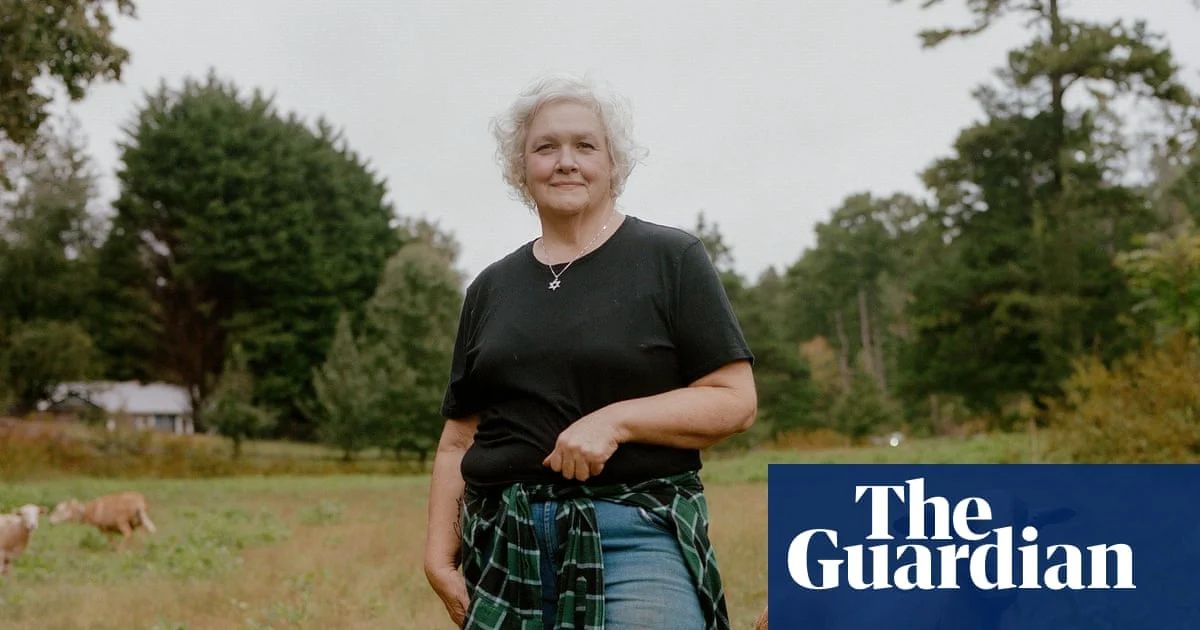
Wendy Rhein is trying to round up the sheep hanging out among the hazelnut and walnut trees of her Chutzpah Hollow farm in Tryon, North Carolina.
She calls to the bleating queen of the flock, hoping the ewe will lead the others down from the trees. This scene reflects a broader trend of Jewish Americans reconnectin with the land through what some describe as a Jewishly inspired agrarian tradition.
Key Facts
- A growing number of Jewish people in the US are seeking purpose and community through farming.
- Farmers describe their work as part of a ‘Jewishly inspired’ agrarian tradition.
- One farmer, Wendy Rhein, tends sheep among hazelnut and walnut trees in Tryon, North Carolina.
- The movement is rooted in the idea that farming connects people to faith and community.
What happens next for Jewish farmers?
The Jewish farming tradition is gaining momentum as more individuals embrace agricultural life. These farmers often see their work as a spiritual practice, drawing connections between tending the soil and ancient Jewish teachings about stewardship and creation.
The phrase ‘It’s all God’s creation’ captures the mindset of many in this movement, who view farming not just as livelihood but as a way to honor divine design. This perspective resonates with those seeking meaning beyond urban careers.
Organizations and communities are beginning to support these efforts, though the article does not name specific groups. The tradition includes both rural farms and urban gardens, with participants citing faith, environmentalism, and fellowship as key motivators.
Who is affected by this shift?
The Jewish farmers featured represent a diverse cross-section of American Jewry. Some are young adults exploring alternatives to traditional career paths, while others are families looking to raise children closer to nature and tradition.
Rhein’s farm, Chutzpah Hollow, exemplifies the personal stories behind the statistic. Her daily routine of guiding sheep through orchards mirrors a larger narrative of returning to simpler, more intentional ways of living.
The movement also attracts non-Jewish allies and interfaith collaborators who share similar values around sustainability and community-building. Together, they form networks that support seed-sharing, educational workshops, and seasonal celebrations tied to both agricultural and religious calendars.
What We Know — and What We Don’t
Verified by the source:
- A growing number of Jewish people in the US are engaging in farming.
- Farmers frame their work as part of a ‘Jewishly inspired’ agrarian tradition.
- Wendy Rhein operates a farm called Chutzpah Hollow in Tryon, North Carolina.
- Participants seek purpose, community, and spiritual meaning through agricultural labor.
Still unconfirmed:
- The exact size or demographics of the Jewish farming community in the US.
- Names of organizations formally supporting this movement.
- Whether there has been measurable growth over time or recent policy changes affecting these farmers.
- Details about funding, land access challenges, or legal structures involved.
Why It Matters
This trend reflects a wider search for authenticity and belonging in an increasingly digital and disconnected world. For many Jewish Americans, returning to the land offers a tangible way to live out values of environmental responsibility and communal care.
What To Watch
Further reporting may shed light on how institutions respond to this growing interest in faith-based agriculture.
Meta description: Growing number of Jewish Americans embrace farming as spiritual and communal practice rooted in tradition.