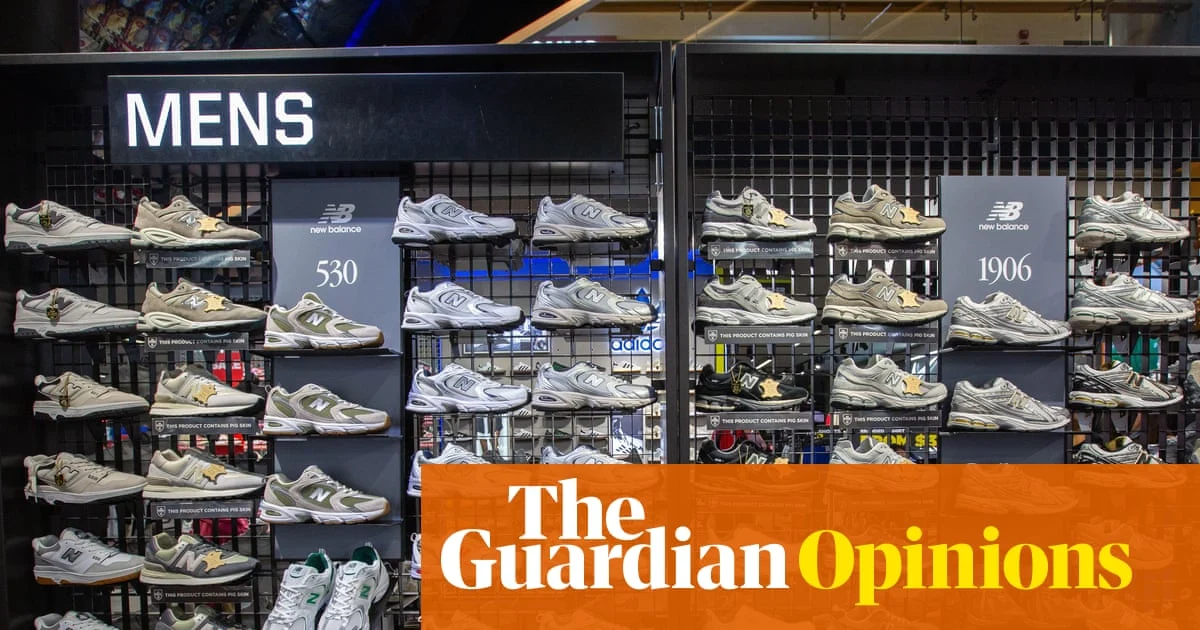
JD Sports has revised its profit forecast downward by £50 million, citing weak sales of “high-heat footwear products”—industry jargon for trendy new trainer designs—particularly from key brands Nike and Adidas. Despite expectations of a boost during the World Cup, sluggish innovation from major brands and rising cost-of-living pressures dampened sales.
The company, which self-styles as the “king of trainers,” relies heavily on Nike and Adidas, accounting for slightly more than half of its sales. Analysts note that when these brands struggle to excite consumers, JD Sports feels the impact. The retailer also pointed to ongoing discounting trends and economic pressures, particularly in the US market.
KEY FACTS
- JD Sports cut £50m from its profit forecast due to disappointing sales.
- Nike and Adidas, accounting for over half of JD Sports’ sales, failed to produce “hot new designs.”
- The slowdown was particularly notable for “high-heat footwear products”—a term referring to in-demand trainers.
- The company cited “incremental cost of living pressures”, especially in the US, as a key challenge.
- JD Sports has frequently described the market as “a promotional market”, indicating heavy discounting.
WHY SALES SLOWED
Trainer sales typically benefit from major sporting events like the World Cup, but this year, demand remained tepid. According to analysts, the lack of compelling new designs from Nike and Adidas left consumers uninspired. JD Sports’ performance is tightly linked to these two brands; when they underperform, so does the retailer.
WHAT HAPPENS NEXT?
Investors will watch for signs of a rebound in consumer spending and whether Nike and Adidas introduce fresh designs that reignite demand. Until then, the market is likely to remain promotional, with discounts driving sales rather than brand-new releases.
WHAT WE KNOW — AND WHAT WE DON’T
Verified by the source:
- JD Sports reduced its profit forecast by £50 million.
- Nike and Adidas make up slightly more than half of JD Sports’ sales.
- The slowdown was driven by a lack of popular new trainer designs.
Still unconfirmed:
- Whether the current slump is a short-term issue or indicative of a longer-term trend.
- How much of JD Sports’ struggles are tied exclusively to Nike and Adidas, versus broader economic factors.
- The extent to which future product launches could reverse current sluggish sales.
WHY IT MATTERS
JD Sports is a bellwether for the global trainer market, particularly regarding consumer demand for premium sportswear. If major brands struggle, it signals broader challenges in retail, especially during economic uncertainty.
WHAT TO WATCH
The next product cycles from Nike and Adidas, as well as consumer spending trends heading into the holiday season, will determine whether this slump is temporary or part of a longer downturn.