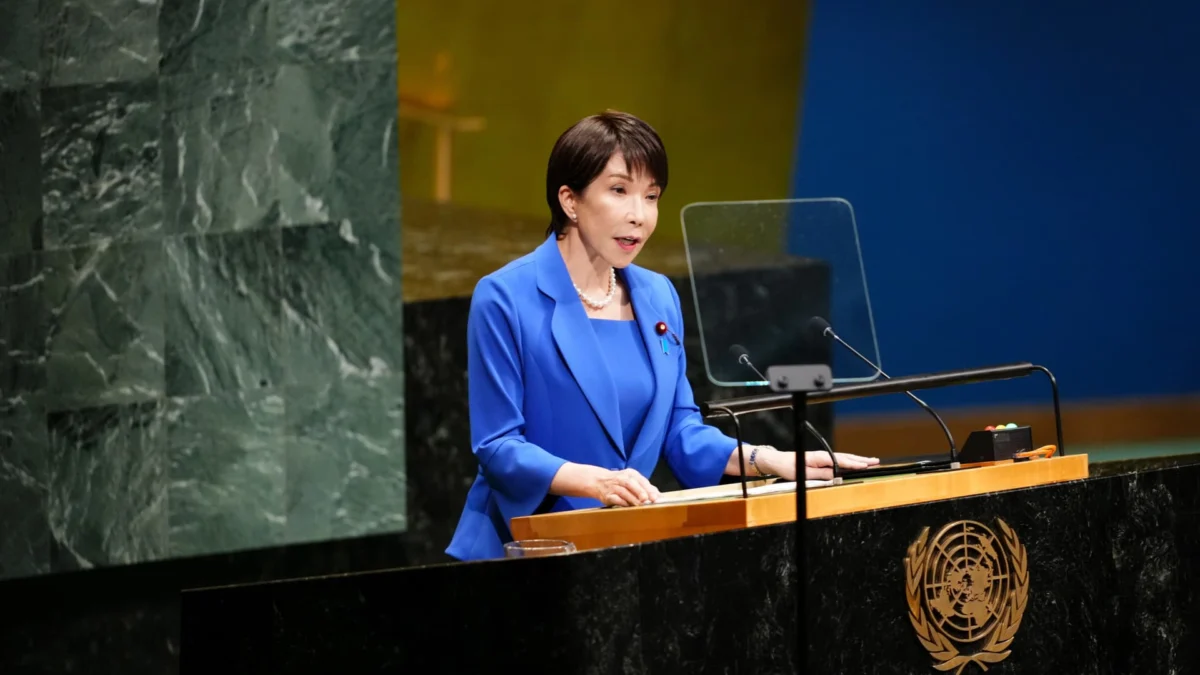
Japanese Prime Minister Takaichi rejected criticism over weak yen policies and rising government bond yields, denying her administration’s actions caused financial pressures. She stated her policies were not responsible for the yen’s recent depreciation or increasing JGB yields, countering opposition claims blaming fiscal moves.
Takaichi emphasized long-term economic stability over short-term volatility during a press session, where opposition leaders questioned whether monetary and fiscal coordination had weakened. The remarks come as Japan grapples with persistent yen weakness and rising yields amid global rate uncertainty.
Key Facts
- Japanese PM Takaichi rejects criticism over weak yen and high interest rates.
- She denied her policies caused the yen’s weakness or rising JGB yields.
- Remarks were made during a press session addressing opposition concerns.
How Did We Get Here?
Japan’s public debt exceeds 260% of GDP, raising questions about fiscal sustainability. Weak yen policies aim to boost exports but strain consumers and import-dependent sectors. Rising JGB yields reflect investor wariness over inflation and debt dynamics. Takaichi’s government inherited these challenges after taking office in late 2025.
Opposition parties have pressed the cabinet for clarity on monetary-fiscal coordination. Critics argue that aggressive spending and yield curve control adjustments risk destabilizing markets further.
What Happens Next?
The Bank of Japan may face renewed pressure to adjust its bond-buying program if yields continue rising. Analysts expect Takaichi’s cabinet to defend weak yen policies in upcoming parliamentary sessions, though concrete policy changes remain unconfirmed.
Investors will watch the Ministry of Finance’s next intervention strategy. Any signaling toward tighter fiscal rules could influence currency and bond markets significantly.
What We Know — and What We Don’t
Verified by the source:
- PM Takaichi denied policies caused yen weakness or rising JGB yields.
- Her comments were delivered during a press session.
- Opposition criticism focused on weak yen policies and interest rate trends.
Still unconfirmed:
- Exact timeline or mechanisms behind yen depreciation.
- Cabinet-level discussions influencing monetary-fiscal coordination.
- Futures market predictions on BOJ intervention timing.
Why It Matters
Weak yen policies affect import costs, household budgets, and export-driven industries like automotive and electronics. Rising JGB yields increase Japan’s borrowing costs, complicating debt management. Public confidence in Takaichi’s economic stewardship will shape investor sentiment and election outlooks.
What To Watch
Parliamentary debates may reveal policy pivots. Currency movements and BOJ statements could confirm whether weak yen policies face recalibration.
Meta description: Japanese PM Takaichi denies her policies caused weak yen or rising bond yields, dismissing opposition criticism during a press session.