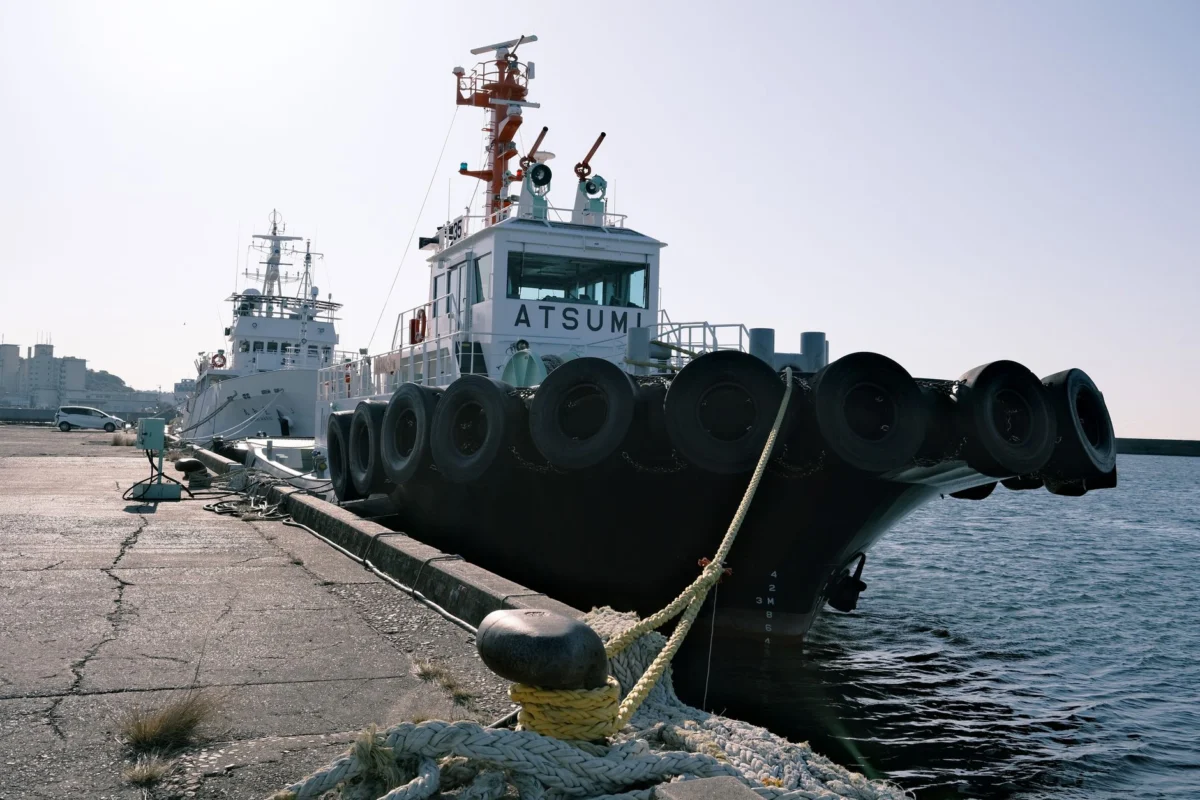
On a gray dawn, the Japanese tanker MV Kawasaki slipped past the buzzing traffic of the Strait of Hormuz, its hull still bearing the faint scar of a missile‑splintered rail. After three months of blockade, the ship’s engines roared the first unimpeded mile in 13 weeks.
The vessel, 220 m long and loaded with 1.2 million barrels of crude, had been stuck since late March when Iranian forces halted all commercial traffic in retaliation for a series of offshore incidents.
Why does this matter?
The Hormuz corridor shuttles roughly 20% of the world’s oil—about 21 million barrels daily. Any disruption reverberates through gasoline pumps, airline tickets and the price you pay for a latte.
Economists at the economy and markets desk note that the three‑month stand‑still added roughly $2 billion to global freight costs, a figure that still lingers in shipping contracts.
What happened to the blockade?
According to the limited statements released by the Japanese Ministry of Transport, a joint diplomatic effort involving the United Nations and the European Union secured a temporary safe‑pass corridor. Iranian naval patrols withdrew after a midnight radio exchange confirmed the corridor’s coordinates.
There were no reported casualties, and the vessel’s crew—12 Japanese nationals and 4 Filipino engineers—remained aboard throughout the standoff.
Who is affected?
Oil traders in London and New York felt immediate relief as futures prices dropped 0.7% after news broke. Retail consumers may notice a subtle dip in gasoline prices once the cleared shipments reach refineries in South Korea and Japan.
Shipping insurers, however, are revisiting risk premiums for the Strait, a move that could push freight rates higher again if tensions flare.
What happens next?
Analysts warn that the reprieve could be short‑lived. Iran has pledged to re‑impose restrictions if its demands over sanctions are not met, and the region remains a flashpoint for larger geopolitical rivalries.
For now, the Japan vessel Hormuz’s exit is a breath of fresh air for global supply chains, but the underlying conflict that sparked the blockade remains unresolved.
This article provides a concise snapshot; keep following for updates on Hormuz’s geopolitical dynamics and their impact on global markets.