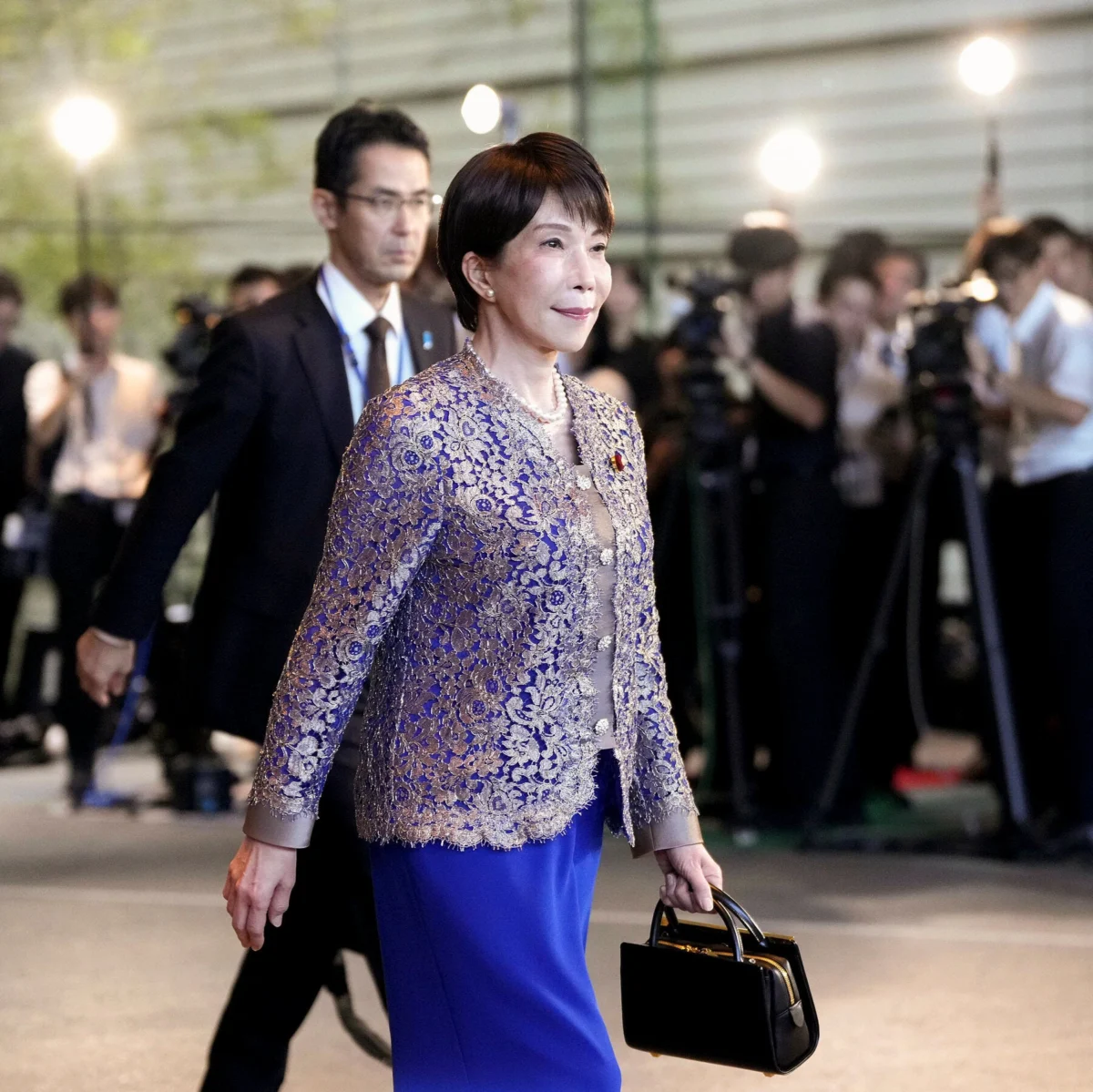
Japan’s leader said she loses hours to makeup and chores, drawing attention to the gendered division of domestic labor in the country. The remarks underscore how even top officials face expectations tied to appearance and household duties that often fall disproportionately on women.
The leader noted her schedule is busier than her male predecessors, implying structural inequities persist at the highest levels of government. Her comments have sparked public discussion about gender roles in Japan.
KEY FACTS
- Japan’s leader said she loses hours to makeup and chores.
- She said her schedule is busier than male predecessors.
- Her remarks reflect disproportionate household tasks faced by women in Japan.
- Public reaction and opinions have followed the comments.
THE STORY
What does this reveal about gender norms?
The leader’s admission about time spent on makeup and chores highlights persistent gender expectations in Japan. Even women in powerful positions report facing demands that male counterparts typically avoid. These responsibilities extend beyond personal upkeep into broader household management.
Societal norms in Japan often place the burden of domestic work primarily on women. This dynamic affects professional women across sectors, including government. The leader’s visibility brings attention to systemic patterns that shape daily life for many.
How did we get here?
Japan has long struggled with gender equality despite economic development. Cultural traditions reinforce rigid roles for men and women at home and work. Recent efforts to close pay gaps and increase female participation remain slow.
Public discourse around these issues has grown more vocal. Leaders’ personal experiences can amplify broader conversations. The current discussion reflects ongoing tensions between tradition and modernization in Japanese society.
WHAT WE KNOW — AND WHAT WE DON’T
Verified by the source:
- The leader mentioned losing time to makeup and chores.
- She compared her schedule to male predecessors.
- Her comments touched on women’s share of household tasks.
Still unconfirmed:
- Exact duration of time spent on these activities.
- Full context of when or where the remarks were made.
- Specific identities of reacting officials or citizens.
The story illustrates how personal routines of national leaders can reflect wider social structures. Gendered expectations around appearance and domestic work influence participation across society. Understanding these patterns helps explain why progress on equality remains gradual.
Future developments may include further commentary from political figures or policy proposals addressing workplace and home dynamics. Observers will watch whether this moment leads to deeper institutional changes.