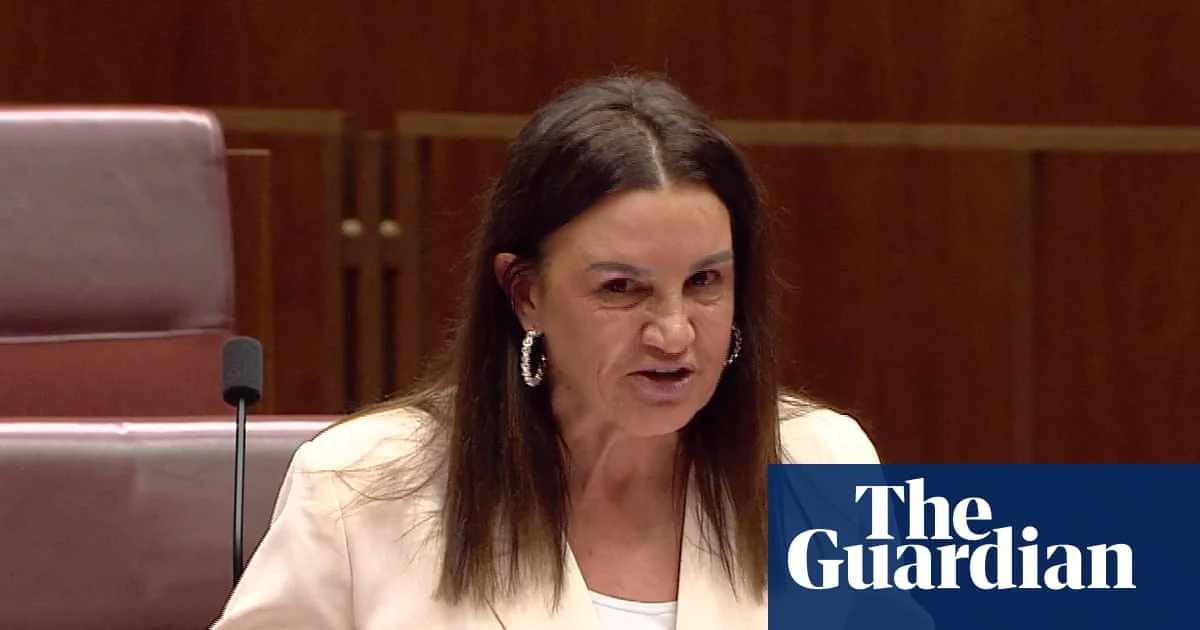
Independent senator Jacqui Lambie has accused the Labor government of showing a ‘callous disregard for veterans’ health and wellbeing’ over its controversial $5,000 cap for allied health services. In a fiery Senate speech, Lambie shared her own health struggles and criticized the Department of Veterans Affairs for lacking ‘duty of care.’
The Tasmanian senator urged the prime minister to reconsider the policy, arguing the cap does not adequately support veterans’ needs. Her emotional address highlighted ongoing tensions over veterans’ welfare in Australia.
KEY FACTS
- Jacqui Lambie criticized Labor’s $5,000 cap for allied health services for veterans.
- She accused the government of ‘callous disregard for veterans’ health and wellbeing.’
- Lambie shared personal health struggles during a Senate speech.
- She claimed the Department of Veterans Affairs showed ‘no duty of care.’
What sparked Lambie’s criticism?
The $5,000 cap for allied health services has become a flashpoint in Australia’s veterans’ policy debate. Allied health services include physiotherapy, psychology, and other therapies crucial for veterans managing service-related injuries. Lambie argued the restriction fails to meet veterans’ complex needs, particularly those with chronic conditions.
As a veteran herself, Lambie’s personal connection to the issue lent weight to her critique. Her Senate speech marked one of the most vocal challenges to the policy since its implementation.
How did the government respond?
The source does not include any government response to Lambie’s accusations. Typically, such caps aim to control budget expenditures, but veterans’ advocates argue they disproportionately affect those requiring long-term care. Without official comment, it remains unclear whether the government will adjust the policy.
WHAT WE KNOW — AND WHAT WE DON’T
Verified by the source:
- Lambie condemned the $5,000 cap in a Senate speech.
- She connected the policy to broader concerns about veterans’ welfare.
- The Department of Veterans Affairs was accused of lacking duty of care.
Still unconfirmed:
- Whether other politicians or veterans’ groups support Lambie’s position.
- How many veterans the cap affects directly.
- If the government plans to review the policy.
WHY IT MATTERS
Veterans’ health policies directly impact thousands of Australians who have served in the military. Caps on essential services could limit access to care for those with service-related physical and mental health conditions. Lambie’s outcry reflects broader concerns about adequately supporting veterans post-service.
WHAT TO WATCH
Whether the government responds to Lambie’s criticism and if the $5,000 cap faces legislative challenges. Advocates will likely monitor whether veterans’ health policies see adjustments in upcoming budgets.