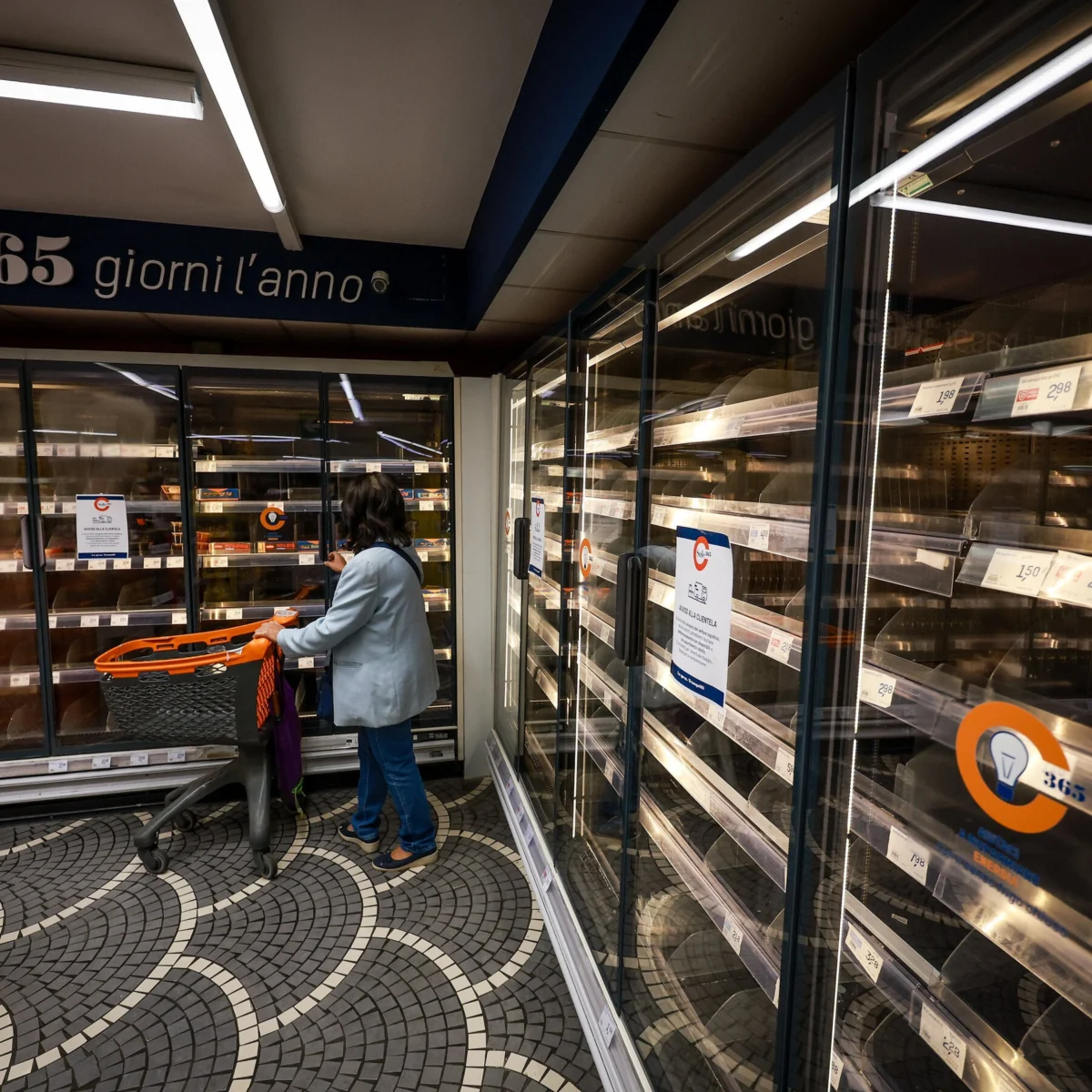
Italy truckers strike actions have triggered food and fuel shortages across parts of southern Italy, according to reporting from NYT > World News. The truckers are protesting high gas prices, which they say are making their operations unaffordable.
By blocking key roadways, the striking drivers have prevented the transport of goods, leaving store shelves empty and gas stations dry. The disruptions are concentrated in southern regions, though the full geographic scope remains unclear. Authorities have not yet announced any formal response or negotiations with the protesting groups.
Key Facts
- Truckers in Italy are striking over high gas prices.
- The strike has blocked roads in parts of southern Italy.
- Deliveries have been prevented, leading to empty shelves.
- Gas stations are running dry due to fuel shortages.
What This Means for Italy
The Italy truckers strike underscores growing public frustration over energy costs that are straining household budgets and commercial transport. High gas prices have made long-haul driving increasingly expensive, pushing drivers to take collective action. The ripple effects include delayed shipments, disrupted supply chains, and reduced access to basic goods for consumers.
Southern Italy appears to be the hardest hit, with reports of bare supermarket shelves and long lines at gas stations. These shortages highlight the country’s dependence on road transport for essential supplies and the vulnerability of regional logistics networks to coordinated labor actions.
How Did We Get Here?
The roots of the Italy truckers strike trace back to rising fuel costs that have outpaced wage growth in the transport sector. Drivers argue that without relief or subsidies, their livelihoods are at risk. Over time, dissatisfaction has built among hauliers who feel unsupported by government policies aimed at offsetting energy inflation.
Past protests in other European countries have similarly disrupted trade when fuel prices spike. In Italy, the current situation reflects broader economic pressures tied to global energy markets and domestic policy responses. Whether talks will resume soon depends on whether both sides can find common ground.
What We Know — and What We Don’t
Verified by the source:
- The strike is being carried out by truckers in Italy.
- Protesters are objecting to high gas prices.
- Road blocks have disrupted deliveries in southern Italy.
- Shelves are empty and pumps are dry as a result.
Still unconfirmed:
- The precise duration and timeline of the strike.
- The number of participating truckers or organizations involved.
- Official negotiations or statements from government agencies.
- Whether the situation extends beyond southern Italy.
Why It Matters
Disruptions to food and fuel distribution affect everyday life, particularly for communities already facing economic hardship. Labor actions over energy costs also signal wider concerns about living standards and inflation, issues that resonate beyond national borders. For readers tracking war-geopolitics and <a href='/category/economy-markets>, such events often reflect deeper tensions between energy policy and social stability.
Monitoring how Italy manages these protests offers insight into how governments balance worker demands with public needs during periods of rising costs. The outcome may influence similar movements elsewhere in Europe where transport workers face comparable challenges.
What To Watch
Further developments will depend on whether authorities intervene to mediate talks or deploy emergency measures to restore supply lines. Updates from official sources or unions would help clarify the next steps in resolving the Italy truckers strike.