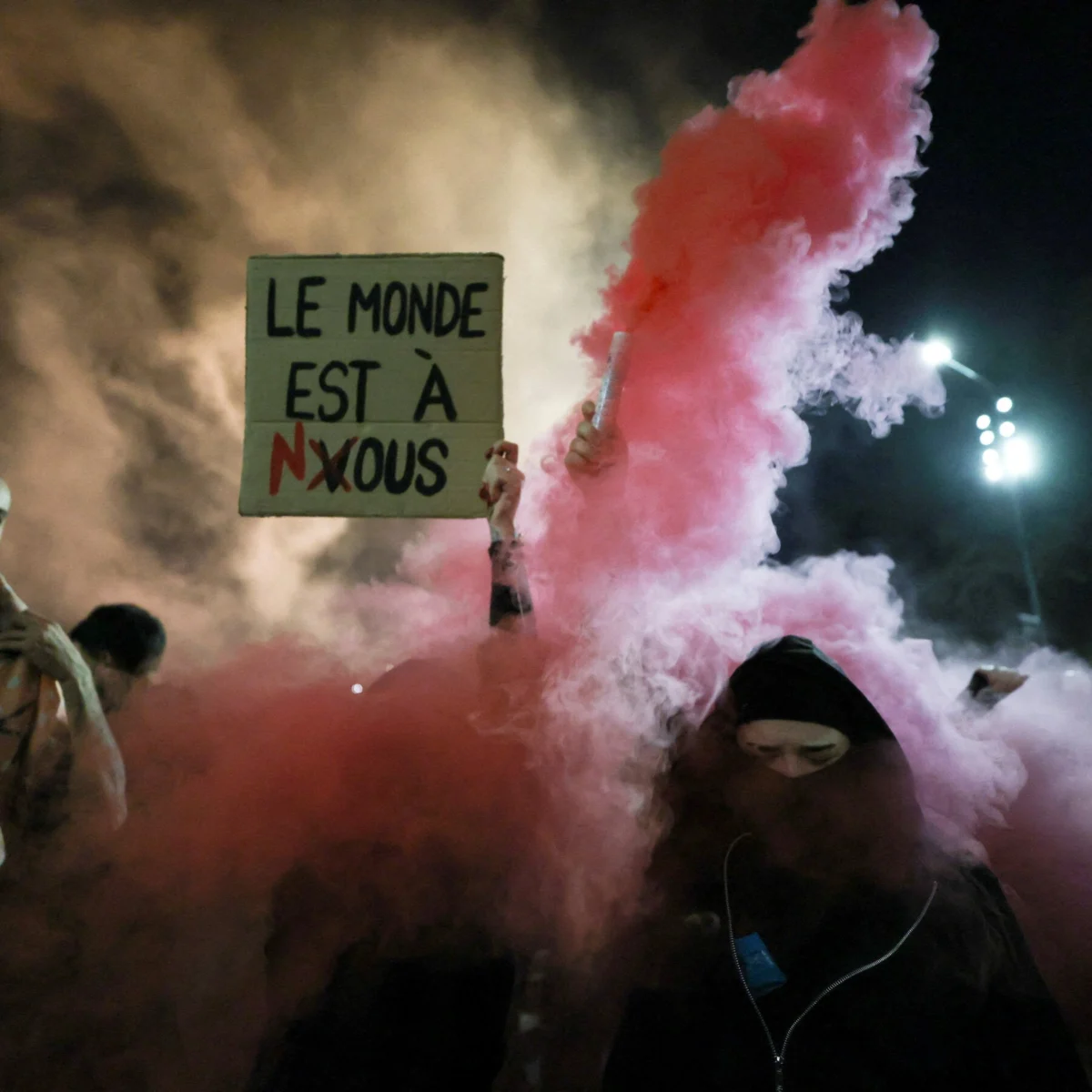
Italy’s youth protesters returned to the streets, voicing frustration with the political establishment and rising cost of living after violence overshadowed demonstrations the previous weekend. The renewed wave of youth protests reflects ongoing dissatisfaction among younger generations facing economic pressures and limited political representation.
Organizers and participants aimed to refocus attention on their core grievances, including affordable housing, employment opportunities, and perceived elite disconnect from everyday struggles. The scale and specific demands of the latest youth protests remain undefined in available reporting, underscoring the fluid nature of grassroots mobilization.
Key Facts
- Young protesters in Italy returned to the streets.
- Demonstrators cite frustration with the political establishment.
- Rising cost of living motivates participants.
- Violence overshadowed protests the previous weekend.
What the Street Demonstrations Signal
The resurgence of youth protests in Italy highlights a broader pattern across Europe where younger citizens express alarm over economic stagnation and shrinking public services. Rising utility bills, food prices, and rents have eroded purchasing power, while youth unemployment remains above EU averages in several regions.
Historically, student and labor movements have shaped Italian policy, from pension reforms to university funding. Current demonstrators appear intent on restarting dialogue paused by last week’s confrontations. No centralized leadership or unified platform has been disclosed publicly.
How Did Tensions Escalate?
Last weekend’s clashes disrupted a planned demonstration, drawing media coverage and prompting temporary road closures. Authorities did not release detailed injury or arrest counts. Eyewitness accounts suggest tensions flared near Milan, though officials have yet to confirm broader coordination between cities.
Protest activity often intensifies when economic hardship intersects with distrust in government institutions. Many first-time demonstrators joined expecting peaceful expression of dissent. Future gatherings may depend on whether political parties respond to emerging demands around minimum wage, housing subsidies, and climate policies.
What We Know — and What We Don’t
Verified by the source:
- Young people demonstrated again in Italian streets.
- Participants oppose the political establishment and rising living costs.
- Earlier protests were partially overshadowed by violence.
Still unconfirmed:
- Total number of participants in the latest demonstrations.
- Exact cities or neighborhoods involved beyond reported unrest.
- Named organizers or formal coalitions leading the movement.
- Official responses from national or local government officials.
Why It Matters
Young Europeans increasingly view traditional politics as unresponsive to generational challenges. Sustained youth protests could pressure policymakers to address inequality and reform representation structures ahead of future elections.
What To Watch
Further demonstrations are expected unless authorities or politicians publicly engage with demonstrators’ concerns.