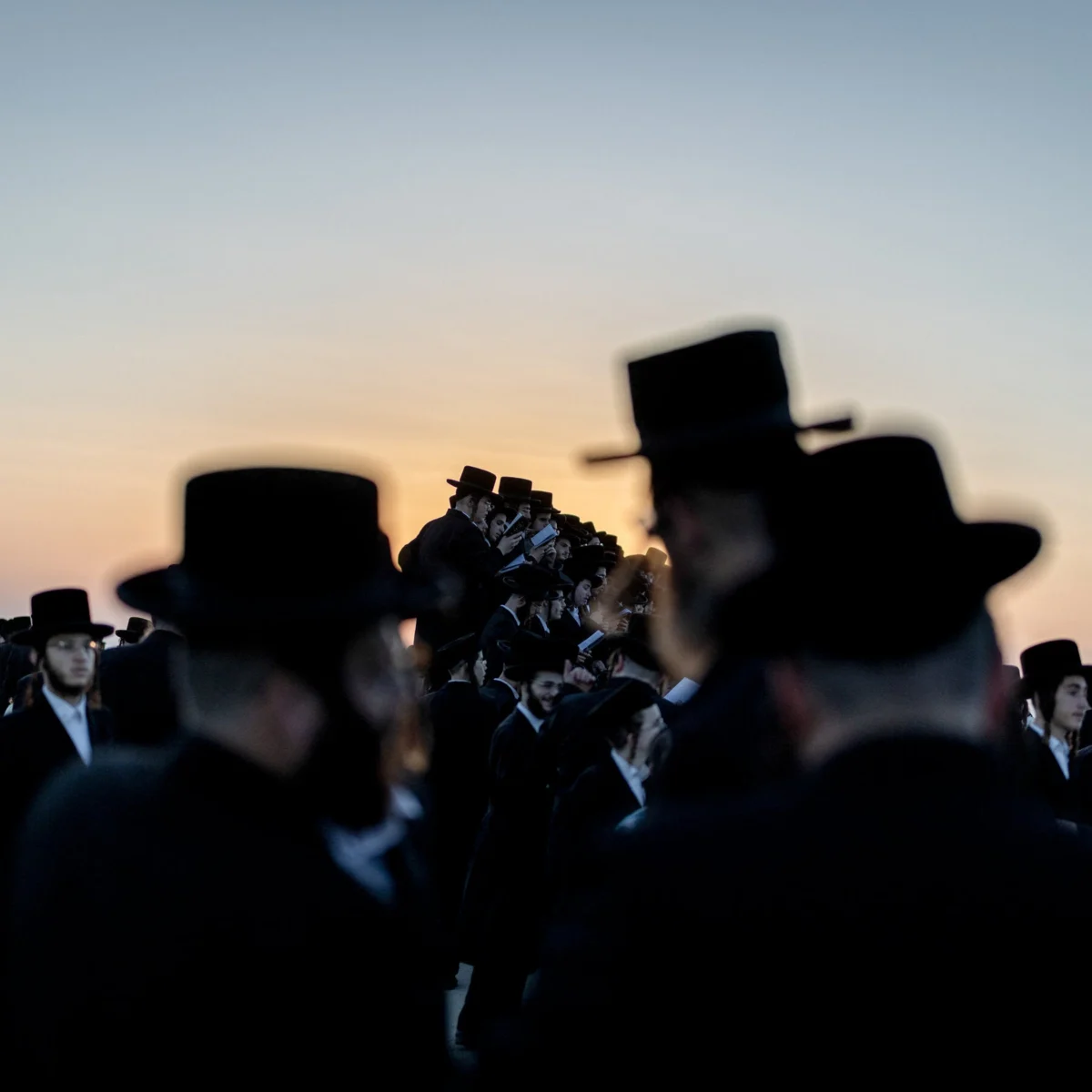
An upcoming vote gives Israeli voters the chance to end what commentators describe as an ultra-Orthodox stranglehold on parts of public life, a dynamic some frame as moving Israel toward a theocracy. The opinion piece argues that electoral choices ahead could reshape how religious law intersects with state institutions. According to NYT > Top Stories, this election cycle marks a pivotal test of secular-religious balance in Israel.
The stakes center on whether Israel’s governance model will lean further toward religious authority or maintain a secular character. Advocates for change say reduced ultra-Orthodox political influence would restore pluralism to civic life. Critics worry the opposite outcome entrenches divisions. With parties aligned along this fault line, the vote may determine whether Israel avoids what some call a theocratic path.
Key Facts
- Israeli voters can end the ultra-Orthodox stranglehold on some societal aspects.
- Theocracy is not the desired governance model, according to opinion writers.
- The election shapes the future direction of Israeli democracy.
- Religious authority and state power remain closely linked.
What happens next?
The coming ballot will test whether coalitions can form without ultra-Orthodox backing. Past governments relied heavily on religious parties to stay viable, granting them outsized leverage over legislation, military service exemptions, and education funding. A shift in parliamentary arithmetic could break that dependence, opening space for secular lawmakers to push broader reforms. Polls show deep public division, with younger voters expressing frustration over draft deferments and curriculum controls. Yet turnout among traditional constituencies remains strong. Whatever the result, analysts say the aftermath will reveal whether democratic institutions can absorb tensions between competing visions of Israeli identity.
Who is affected?
Ordinary citizens feel the impact daily, from Sabbath restrictions on public transport to gender segregation at state events. Students navigate separate school systems funded partly through religious institutions. Young men face mandatory military service unless granted exemptions tied to yeshiva study—a privilege many secular Israelis view as unfair. Women encounter limitations in personal status law, particularly marriage and divorce. Minority communities also experience friction when religious definitions of national identity influence policy. These everyday realities fuel broader debates about equality and citizenship. As political alignments evolve, so too might access to services long governed by faith-based frameworks. Each constituency holds distinct hopes for reform—or resistance to change.
How did we get here?
Israel’s founders enshrined religious courts for personal law while establishing secular civil institutions, creating a hybrid system prone to negotiation. Over decades, ultra-Orthodox parties gained disproportionate sway by joining governing coalitions in exchange for policy concessions. This arrangement entrenched their influence across defense, education, and judiciary. Meanwhile, secular voters grew restless, seeing little progress on civil liberties or integration of marginalized groups. Recent elections have amplified calls for constitutional clarity, including measures to limit religious party leverage. Yet institutional inertia persists. Without decisive action, experts warn, the balance tips toward theocracy—and away from pluralistic democracy.
What We Know — and What We Don’t
Verified by the source:
- Israeli voters have an opportunity to end the ultra-Orthodox stranglehold on some aspects of society.
- Theocracy is described as undesirable by the author.
Still unconfirmed:
- Exact timing of the next election.
- Specific policy areas most at risk.
- Names of leading political figures.
- Polls or voting projections.
- Official responses from political parties.
Why It Matters
This election reflects a universal tension between religious authority and democratic governance. Across democracies, Faith and state struggles redefine citizenship. Israel’s outcome may signal whether pluralism prevails or orthodoxy dominates. Citizens worldwide watch how deeply held beliefs shape laws affecting daily life. Democratic legitimacy depends on balancing tradition with modern rights.
What To Watch
The coalition negotiations following the vote will show whether secular parties gain enough seats to reduce religious party influence. Results may prompt new legislation on military service or civil marriage.