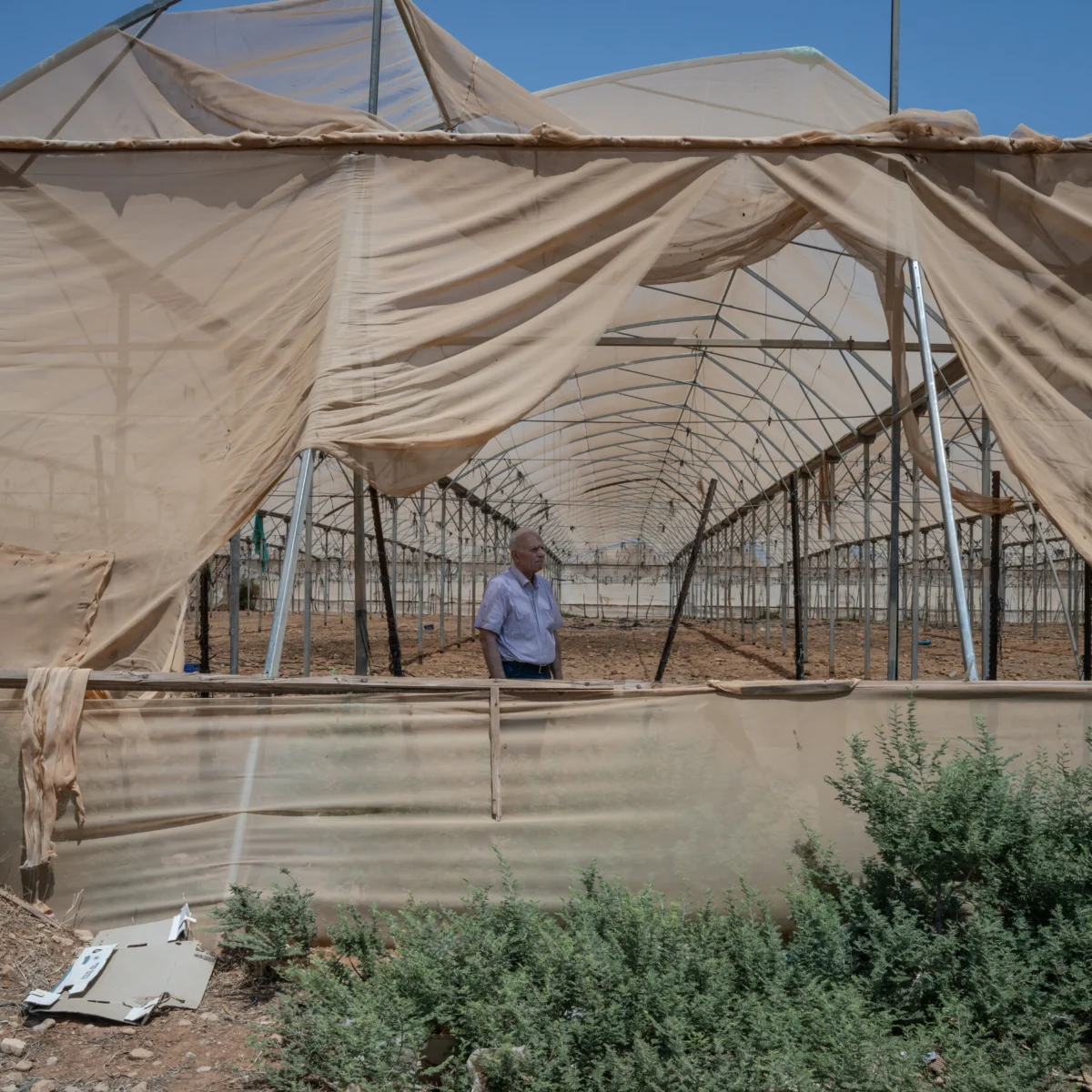
An ancient reservoir in the West Bank promoted to Israeli tourists has been refilled using water diverted from Palestinian-owned farms, raising questions about resource access and control in the contested territory. The site, known locally as Herod’s Pool, attracted increased visitor attention after Israeli lawmakers encouraged domestic tourism this summer, coinciding with the redirection of agricultural water supplies to refill its basin.
The diversion of water to support a tourist attraction underscores ongoing tensions over natural resources in the West Bank, where water rights remain a sensitive and contested issue between Israeli and Palestinian communities. While the precise volume and legal justification for the water transfer were not detailed, the reported move has drawn scrutiny amid broader concerns about equitable access to essential infrastructure.
Key Facts
- Israeli lawmakers promoted visits to an ancient West Bank reservoir called Herod’s Pool.
- The reservoir was refilled this summer with water diverted from Palestinian-owned farms.
- The site is located in the West Bank, a geographically and politically disputed region.
- Water diversion has intensified scrutiny over resource allocation in the area.
How Did This Happen?
Herod’s Pool, an ancient reservoir historically tied to Roman-era engineering, has long been a point of archaeological and touristic interest. In recent months, Israeli lawmakers reportedly encouraged citizens to visit the site as part of a domestic tourism push. As visitor numbers grew, authorities are said to have redirected water from nearby Palestinian-owned agricultural land to refill the reservoir, enabling continued access for tourists.
This water transfer reflects wider patterns in the West Bank, where water infrastructure and allocation remain shaped by complex legal and administrative frameworks. Palestinian farmers depend on consistent irrigation for crops, while Israeli settlements and tourist facilities often operate under separate water management systems. The reported diversion of farmland water to sustain a recreational site has heightened concerns among advocacy groups about resource equity and environmental justice.
What Happens Next?
Public and international attention is likely to focus on how regional authorities respond to the reported water diversion. Palestinian farmers and local leaders may seek clarification or restitution, particularly if the reallocation affected crop yields or land use permits. Meanwhile, Israeli officials could face pressure to justify the decision, especially if it was made without formal public consultation or transparent documentation.
The episode may also influence broader debates around tourism policy and water governance in contested areas. As climate pressures increase demand for limited freshwater resources, similar disputes could emerge unless clear, mutually agreed-upon frameworks are established. Legal experts suggest that any formal complaints or inquiries would need to navigate overlapping jurisdictions and historical claims tied to land and water use in the West Bank.
What We Know — and What We Don’t
Verified by the source:
- Israeli lawmakers promoted visits to an ancient reservoir in the West Bank.
- The reservoir was refilled this summer using water diverted from Palestinian-owned farms.
- The site is known as Herod’s Pool and is located in the West Bank.
Still unconfirmed:
- The exact volume of water diverted and its legal authorization.
- Whether any formal complaints have been filed by Palestinian farmers.
- Specific names of lawmakers or officials involved in promoting the site.
- Long-term impacts on local agriculture or water infrastructure.
Why It Matters
Water access in the West Bank remains one of the most enduring flashpoints in the Israeli-Palestinian conflict. Diversion of water to support tourism or civilian leisure—rather than agriculture or basic needs—can deepen existing inequalities and fuel mutual distrust. For international observers, such incidents highlight how everyday resource use can mirror larger geopolitical tensions.
What To Watch
Stakeholders are watching for official responses from both Palestinian and Israeli authorities. Environmental or human rights organizations may also launch investigations into the reported water transfer, which could lead to new calls for transparency or policy reform.
This story is part of ongoing coverage of war and geopolitics in the Middle East, where disputes over land, law, and resources continue to shape daily life.