Lede
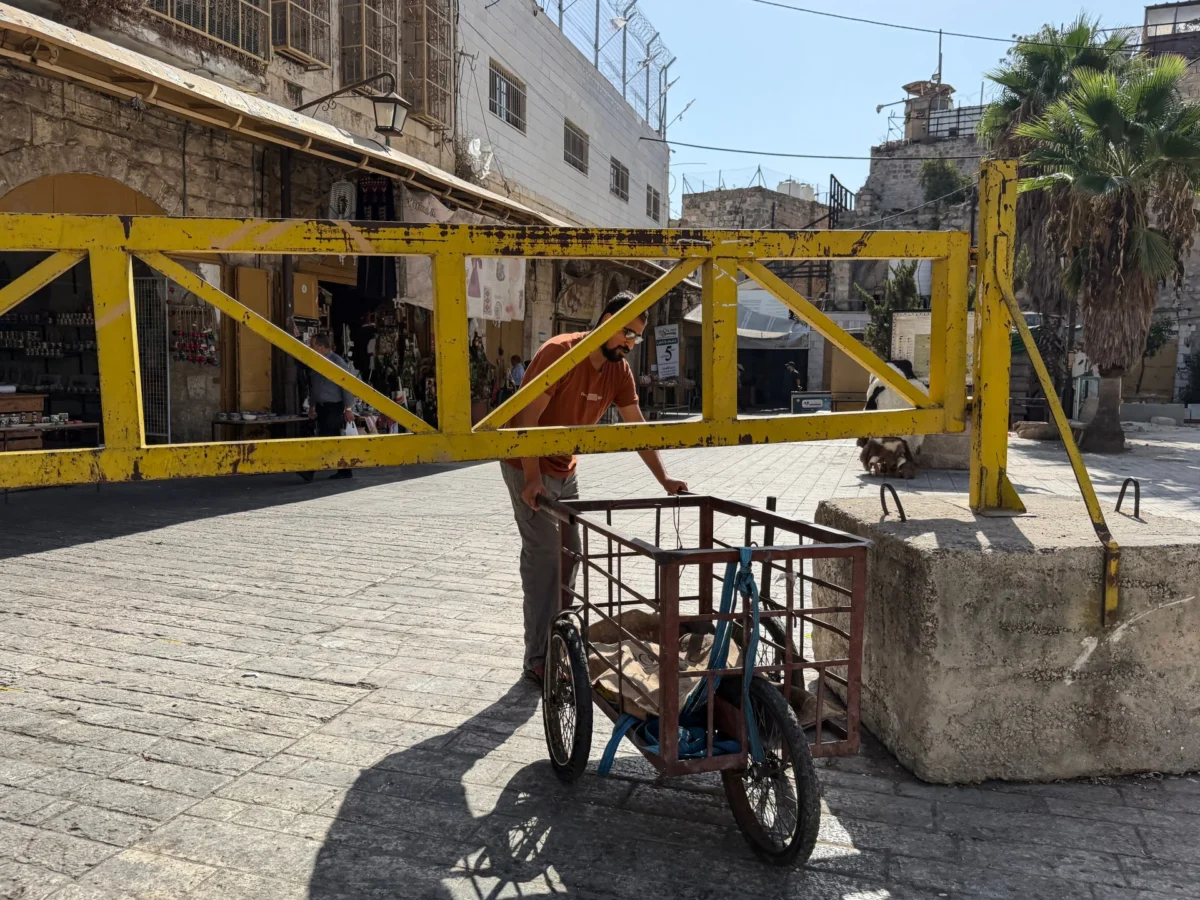
Israeli restrictions in Hebron leave Palestinian residents living in limbo behind gates and checkpoints, making everyday life a daily ordeal. These barriers disrupt access to work, schools, markets, and essential services, fragmenting communities and deepening hardship for families caught in the city’s divided landscape.
According to reporting, the restrictions are a central feature of life for Palestinians in Hebron, reshaping neighborhoods into isolated enclaves and limiting freedom of movement in ways that affect nearly every aspect of civilian life.
Key Facts
- Israeli restrictions in Hebron affect Palestinian residents daily.
- Life for Palestinians in Hebron is described as a daily ordeal.
- Gates and checkpoints are cited as key obstacles.
- Palestinian movement is fragmented by barrier systems.
Understanding the Daily Reality
Residents of Hebron must navigate a network of gates and checkpoints that control access in and out of neighborhoods. These points, often staffed by Israeli forces, can close suddenly, delaying or preventing travel to workplaces, schools, and hospitals. When barriers shut, families may be unable to reach each other or obtain basic necessities.
For Palestinian residents, the unpredictability of checkpoint operations means planning for work or education becomes difficult. A closed gate can trap someone inside a neighborhood for hours, while another route may open unexpectedly only to close again later. Over time, these disruptions accumulate into a sustained pattern of restricted access.
Who Is Affected and Why
Palestinian residents of Hebron, including children, workers, and merchants, experience the consequences of these restrictions most directly. Children may miss school days when routes are blocked, while vendors lose income if markets become inaccessible. Farmers, too, struggle to reach agricultural land caught between checkpoint zones.
Holistically, the restrictions reshape how entire communities function. Social visits, religious gatherings, medical appointments, and commercial trade are all complicated or made impossible by the infrastructure of barriers that divide the city into disconnected areas, leaving many residents in a state of prolonged uncertainty.
What We Know — and What We Don’t
Verified by the source:
- Israeli restrictions exist in Hebron.
- These restrictions cause daily hardship for Palestinians.
- Gates and checkpoints are primary tools of restriction.
- Life in Hebron is characterized as an ordeal for Palestinians.
Still unconfirmed:
- Exact number of checkpoints operating in Hebron.
- Official rationale provided by Israeli authorities.
- Specific demographic or economic impact figures.
- Timeline or conditions for restriction changes.
Why It Matters
Movement restrictions in contested cities like Hebron illustrate how infrastructure can become a tool of governance, reshaping civilian life under military or security oversight. These dynamics raise broader questions about access to basic rights, urban fragmentation, and the long-term effects of divided urban spaces on community stability.
What To Watch
Further reporting may clarify whether changes in policy or international pressure could ease restrictions in Hebron.