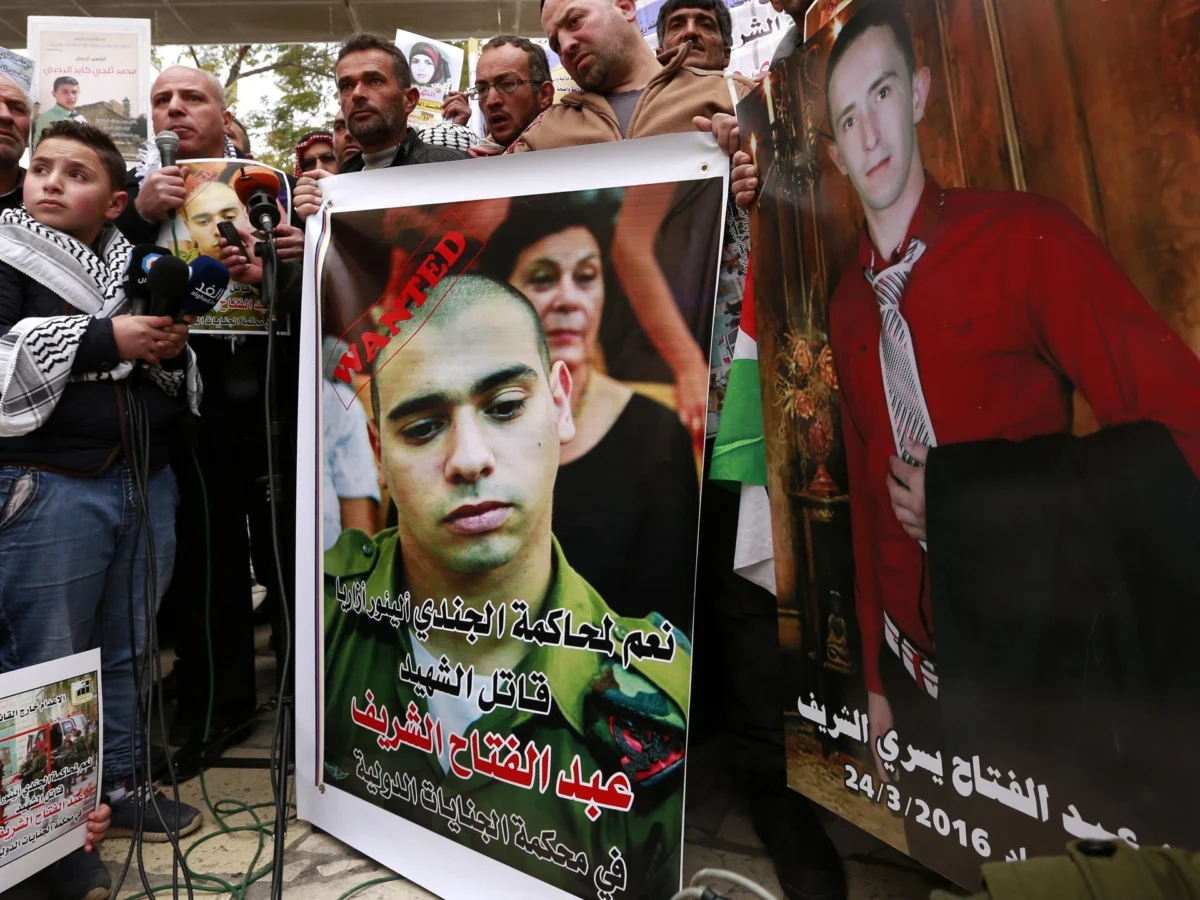
Israel’s president has granted a pardon to a soldier previously convicted in the 2016 killing of a wounded Palestinian, according to Al Jazeera. The soldier, later identified in media as Elor Azaria, had shot the incapacitated individual, a move that sparked sustained domestic and international controversy. This action concludes a high-profile legal and political episode that divided opinions within Israel and drew scrutiny abroad.
The 2016 incident involved a soldier firing at a Palestinian who had already been neutralized by Israeli forces. The killing was captured on video and widely circulated, fueling debate over rules of engagement and accountability. After court proceedings, the soldier was convicted of manslaughter, later reduced on appeal. The recent presidential pardon effectively nullifies the remaining legal consequences. The decision reflects ongoing tensions in how Israel addresses such cases and signals a potential shift in official stance toward certain military conduct controversies.
Key Facts
- Israel’s president pardoned a soldier involved in the 2016 killing of a wounded Palestinian.
- The victim had already been incapacitated by Israeli troops at the time of the shooting.
- The case centered around Elor Azaria, whose actions sparked nationwide protests and criticism.
- The incident was captured on video and became a symbol of broader disputes over military conduct.
- Azaria was initially convicted of manslaughter before sentencing was reduced on appeal.
Who Is Affected by the Pardon?
The pardon directly impacts the soldier, whose conviction and sentence are now nullified. It also affects the family of the deceased Palestinian, who had sought justice through the Israeli legal system. Additionally, it influences public discourse within Israel regarding accountability and impunity in military operations. For Palestinians, the decision may reinforce perceptions of unequal treatment under law. Internationally, it could strain diplomatic relations with countries critical of Israeli military policies. Broader implications include renewed discussions in peace negotiations and human rights forums about command responsibility and civilian protection during conflicts.
How Did We Get Here?
The 2016 incident began when a soldier opened fire on a Palestinian who had already been subdued by fellow Israeli troops. Video footage showing the moment went viral, prompting widespread outrage and calls for accountability. Protests erupted both in support of and against the soldier, reflecting deep divisions in Israeli society. A military court convicted him of manslaughter, but appeals led to a reduced sentence. After years of legal proceedings and public debate, the president issued the pardon, citing reasons that remain partially confidential. Supporters argued for leniency citing battlefield stress; critics viewed it as undermining rule of law.
What We Know — and What We Don’t
Verified by the source:
- A soldier was pardoned by Israel’s president for actions in 2016.
- The targeted individual was already incapacitated when shot.
- The case became widely known due to video evidence.
- The soldier was convicted and sentenced before the pardon.
Still unconfirmed:
- Exact legal reasoning behind the presidential decision.
- Full names beyond those referenced in media reports.
- Official statements from Israeli authorities explaining criteria used.
- Wider governmental or institutional responses beyond public commentary.
Why It Matters
This pardon touches on fundamental questions of justice, military ethics, and proportionality in conflict zones. It raises concerns among observers about potential precedents set for future cases involving soldiers accused of misconduct. Domestically, it reflects enduring fissures within Israeli society over national values and civic duty. Globally, it adds weight to ongoing discussions in international bodies evaluating compliance with international humanitarian law. The case underscores how individual acts can become flashpoints for much larger geopolitical conversations.
What To Watch
Officials have yet to release comprehensive details regarding the basis for the pardon. Observers will monitor whether further legislative or judicial responses follow this decision. Public reactions both inside Israel and internationally may evolve depending on additional disclosures or related developments.