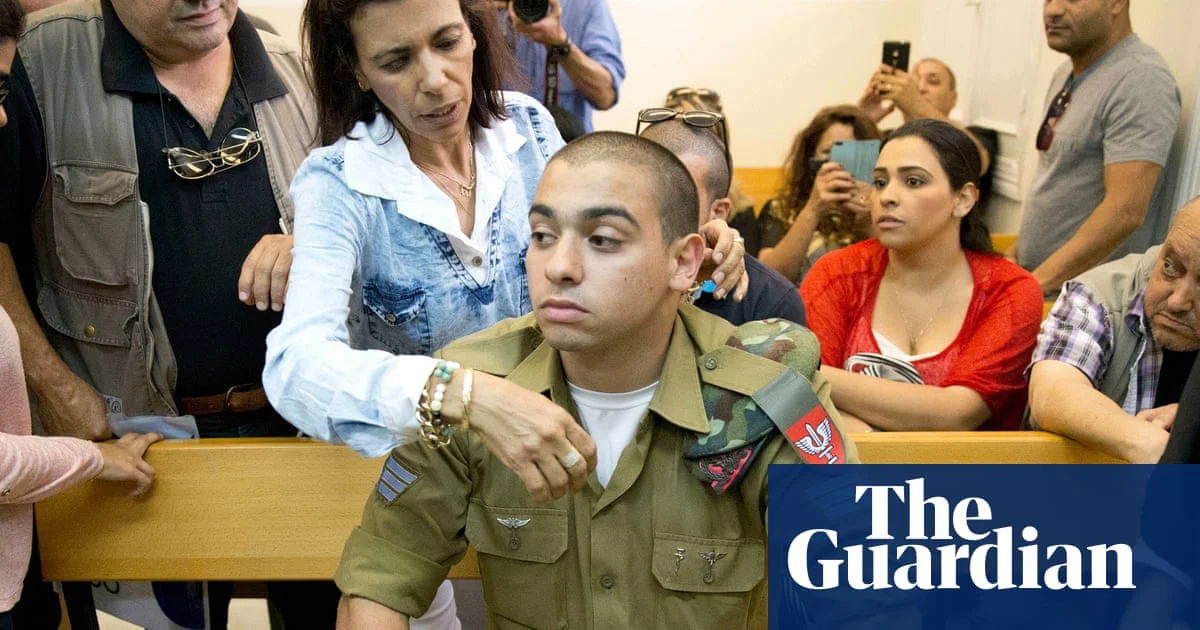
Israeli President Pardons Ex-Medic in Palestinian Attacker Case
The Israeli president has granted a pardon to a former combat medic who fatally shot a badly wounded Palestinian attacker, according to World news | The Guardian. The case dates back several years and centered on a soldier who had been stabbed in the occupied West Bank. The incident has remained deeply polarizing within Israeli society, with strong views expressed on multiple sides.
KEY FACTS
- Israeli president pardoned a former combat medic.
- The Palestinian attacker had been wounded before being shot dead.
- The attacker had previously stabbed an Israeli soldier.
- The shooting occurred in the occupied West Bank.
- The medic was convicted in 2017 for manslaughter.
THE STORY
How did a single incident divide a nation?
The events trace back to an episode in which a Palestinian individual attacked an Israeli soldier with a knife in the occupied West Bank. The assailant was reportedly wounded and no longer an immediate threat when the combat medic opened fire. A court later convicted the medic in 2017 of manslaughter, imposing an 18-month prison term. The case sparked intense nationwide debate, with supporters viewing the medic as a defender under pressure and critics arguing the use of force was unjustified against a wounded person.
Who is affected by this pardon?
Beyond the individual granted clemency, the pardon touches on broader questions about military conduct and accountability. The family of the deceased attacker may see the development as undermining justice, while others perceive it as correcting what they view as an overly harsh judgment. Israeli society remains split along ideological and political lines, with military veterans, religious communities, and human rights advocates holding divergent perspectives on the ruling. The armed forces themselves face renewed scrutiny over rules of engagement in volatile areas such as the occupied West Bank.
What happens next?
Following the pardon, the former medic is no longer subject to incarceration, though the legal and moral ramifications may persist. The incident underscores how individual court decisions can reverberate across public discourse in a nation where military service is mandatory for many. Observers will be watching whether this case influences future policies on military prosecutions. Continued tension in the occupied West Bank ensures that such matters remain sensitive and widely debated among civilians and officials alike.
WHAT WE KNOW — AND WHAT WE DON’T
Verified by the source:
- The Israeli president issued a pardon to the former combat medic.
- The Palestinian attacker had sustained injuries prior to being shot.
- The initial assault involved a stabbing directed at an Israeli soldier.
- The location was identified as the occupied West Bank.
- A 2017 conviction for manslaughter was recorded.
Still unconfirmed:
- The precise sequence of actions leading to the fatal shot.
- Whether formal appeals were exhausted before the pardon.
- Any additional mitigating or aggravating factors considered by the president.
- The full scope of public response or official comment accompanying the decision.
WHY IT MATTERS
Cases involving soldiers or medics who use lethal force in conflict zones often reflect deeper societal tensions about authority, justice, and proportionality. In Israel, where military service is near-universal for certain demographics, such rulings resonate far beyond the courtroom, influencing national identity and foreign perceptions of adherence to international norms. Explore more developments in [war-geopolitics](/category/war-geopolitics).
WHAT TO WATCH
Further statements from legal officials or political leaders could clarify the broader consequences of this pardon. Readers may also follow related coverage in [war-geopolitics](/category/war-geopolitics).