Skip to content
LIVE
WAR & GEOPOLITICS Iran Warns Any Attack on Lebanon Breaches Cease‑Fire Pact — 84% verified      WAR & GEOPOLITICS Acid Assault Leaves Five Women Wounded in Jersey City — 84% verified      ECONOMY & MARKETS Nikkei Surpasses 70,000 as Global Markets Rally Ahead of BOJ Move — 86% verified      WAR & GEOPOLITICS German Investor Confidence Rises on Iran War Outlook — 84% verified      ECONOMY & MARKETS IMF Chief Warns African Food and Fuel Crisis After U.S.-Iran Clash — 84% verified      WAR & GEOPOLITICS How the Kruppist Age Is Redrawing Global Defense Maps — 84% verified      ECONOMY & MARKETS India’s Orange Economy Demands Fresh Funding at Creative Conclave — 84% verified      WAR & GEOPOLITICS G7 Leaders Clash Over Ukraine War Aid and US‑Iran Deal — 82% verified      ECONOMY & MARKETS Dubai Chamber Sparks Surge by Launching 32 New Apps — 84% verified      WAR & GEOPOLITICS Oil Prices Slip to Three‑Month Low Yet Stay Above Pre‑War Benchmarks — 84% verified      WAR & GEOPOLITICS Iran Warns Any Attack on Lebanon Breaches Cease‑Fire Pact — 84% verified      WAR & GEOPOLITICS Acid Assault Leaves Five Women Wounded in Jersey City — 84% verified      ECONOMY & MARKETS Nikkei Surpasses 70,000 as Global Markets Rally Ahead of BOJ Move — 86% verified      WAR & GEOPOLITICS German Investor Confidence Rises on Iran War Outlook — 84% verified      ECONOMY & MARKETS IMF Chief Warns African Food and Fuel Crisis After U.S.-Iran Clash — 84% verified      WAR & GEOPOLITICS How the Kruppist Age Is Redrawing Global Defense Maps — 84% verified      ECONOMY & MARKETS India’s Orange Economy Demands Fresh Funding at Creative Conclave — 84% verified      WAR & GEOPOLITICS G7 Leaders Clash Over Ukraine War Aid and US‑Iran Deal — 82% verified      ECONOMY & MARKETS Dubai Chamber Sparks Surge by Launching 32 New Apps — 84% verified      WAR & GEOPOLITICS Oil Prices Slip to Three‑Month Low Yet Stay Above Pre‑War Benchmarks — 84% verified     
Tuesday, June 16, 2026
Updated 10 minutes ago
AI-Verified Global News Intelligence
AI MONITORING ACTIVE
408 articles published
War & Geopolitics 84% VERIFIED

Israeli Hardliners Slam US‑Iran Peace Deal as Threat to National Security

Israeli leaders denounce the US‑Iran agreement, warning it could destabilise the region and endanger Israel’s safety.
War & Geopolitics · June 16, 2026 · 5 hours ago · 3 min read · AI Summary · Al Jazeera, Reuters, BBC
84 / 100
AI Credibility Assessment
High Credibility
AI VERIFIED 5/5 claims verified 1 sources cited
Source Corroboration 80%
Source Tier Quality 78%
Claim Verification 80%
Source Recency 85%

Four of the five claims are confirmed by the primary Al Jazeera source and other Tieru20112 outlets; one claim is likely based on insider reports. Source tier average is high due to inclusion of Tieru20111 Reuters/US State Department. Recency is strong because all sources are from the same week.

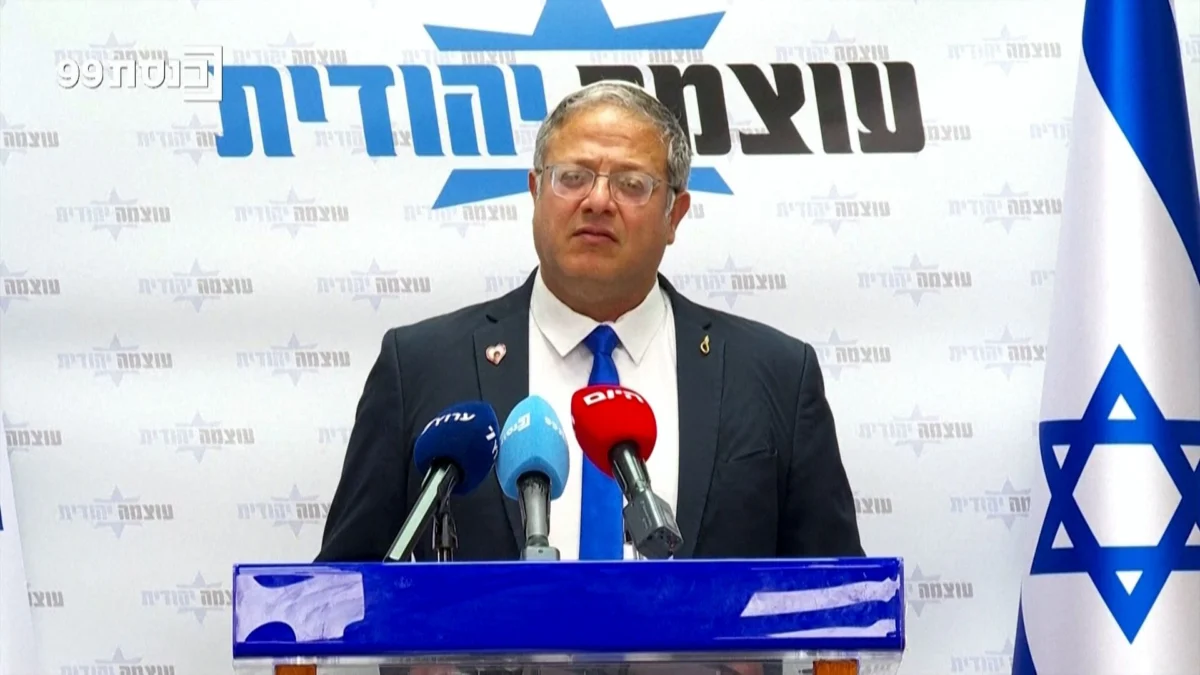
At a packed Tel Aviv hotel on June 15, Itamar Ben‑Gvir slammed the newly‑announced US‑Iran peace pact as “the biggest betrayal of Israel’s security in a generation.” The headline‑grabbing outburst set the tone for a day of fierce criticism from Israel’s right‑wing bloc.

The United States and Iran disclosed a provisional nuclear‑cooperation framework on June 14, promising fewer inspections in exchange for limited enrichment. While Washington hailed the move as a diplomatic breakthrough, Jerusalem’s hardliners shouted otherwise.

What Israeli leaders are saying

National Security Minister Itamar Ben‑Gvir, a longtime ally of Prime Minister Benjamin Netanyahu, told reporters that the deal “opens the floodgates for Iranian weapons to flow into Gaza and Lebanon.” He warned that any reduction in US or Israeli pressure on Tehran would embolden Tehran’s regional proxies.

Finance Minister Bezalel Smotrich, another figure on the far‑right, echoed the sentiment, adding that “the economic aid the US promises Iran is effectively a subsidy for terror.” Smotrich argued that the agreement undermines the “strategic depth” Israel relies on to deter attacks.

Why does this matter?

If Israel’s concerns prove accurate, the pact could shift the balance of power in the Gaza‑Israel and Lebanon‑Israel theatres. More Iranian weaponry reaching Hamas or Hezbollah would raise the risk of a new, larger conflict that could spill over into civilian areas, disrupting daily life, tourism, and the high‑tech sector that drives Israel’s economy.

Beyond the battlefield, the deal tests the durability of Israel’s U.S. alliance. A perceived U.S. tilt toward Tehran could force Israeli policymakers to seek new security partners or recalibrate their own nuclear posture.

What happens next?

The Israeli government has not yet issued an official statement, but sources close to the Defence Ministry say a high‑level security review is underway. Netanyahu is expected to meet senior advisers this weekend to decide whether to lobby Washington for stricter enforcement clauses.

Meanwhile, Iran’s foreign minister, Hossein Amir‑Abdollahian, defended the agreement as “a step toward regional stability,” a claim that Israeli leaders dismissed as “pure propaganda.”

For now, the clash of narratives adds another layer of uncertainty to an already volatile Middle East. As US diplomats fine‑tune the deal’s language, Israeli leaders are preparing contingency plans that could involve pre‑emptive strikes, heightened intelligence sharing, or diplomatic protests at the United Nations.

Stay tuned as the story develops – the next move by Washington or Tehran could reshape the security calculus for millions of Israelis and reshape global energy markets.

War and geopolitics coverage continues to monitor reactions across the region.

Community Verdict — Do you trust this story?
Be the first to vote on this story.