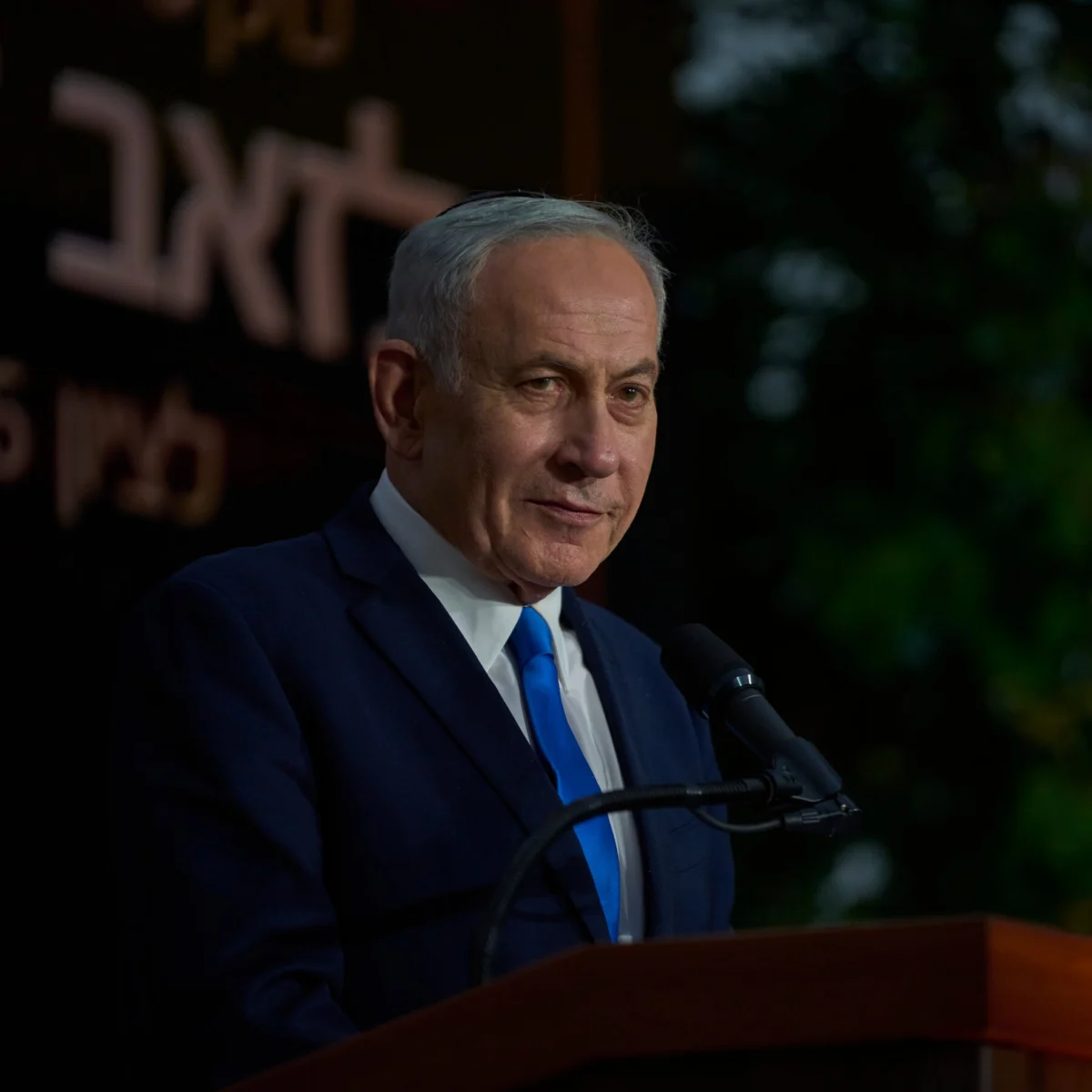
Israel has officially rejected a 15-point peace plan proposed by former President Trump’s Board of Peace, which sought to disarm Hamas in exchange for an Israeli withdrawal from Gaza. The proposal, announced last month, aimed to de-escalate tensions in the region but has now been dismissed by Israeli leadership.
The plan was part of broader efforts to stabilize the Gaza Strip, but its rejection signals continued deadlock in peace negotiations. Neither side appears willing to concede key demands, leaving the conflict unresolved.
KEY FACTS
- Israel rejected former President Trump’s 15-point plan to disarm Hamas.
- The proposal included Hamas surrendering weapons alongside an Israeli withdrawal from Gaza.
- The plan was announced last month by Trump’s Board of Peace.
Why Was the Plan Rejected?
The Israeli government has long insisted that Hamas must disarm before any lasting peace can be achieved. However, Hamas has resisted such demands, viewing its military capabilities as essential for self-defense. The 15-point plan attempted a middle-ground approach, but Israel’s rejection suggests it remains unwilling to negotiate on this core issue.
What’s the Sticking Point?
The key obstacle in the proposed agreement was the mutual distrust between Israel and Hamas. While Israel demands full demilitarization, Hamas insists on maintaining its armed resistance. Without a breakthrough, the cycle of violence in the region is likely to continue.
WHAT WE KNOW — AND WHAT WE DON’T
Verified by the source:
- Israel has rejected Trump’s proposed 15-point peace plan.
- The plan called for Hamas disarmament in exchange for Israeli withdrawal from Gaza.
- The Board of Peace announced the plan last month.
Still unconfirmed:
- Whether alternative negotiations are underway.
- Hamas’s official response to Israel’s rejection.
- The specific terms of the proposed Israeli withdrawal.
WHY IT MATTERS
The rejection of this plan underscores the deep divisions in Middle East peace efforts. Without mutual concessions, the conflict risks further escalation, affecting regional stability and international relations.
WHAT TO WATCH
Future negotiations or alternative proposals may emerge, but any breakthrough will require significant compromise from both Israel and Hamas.