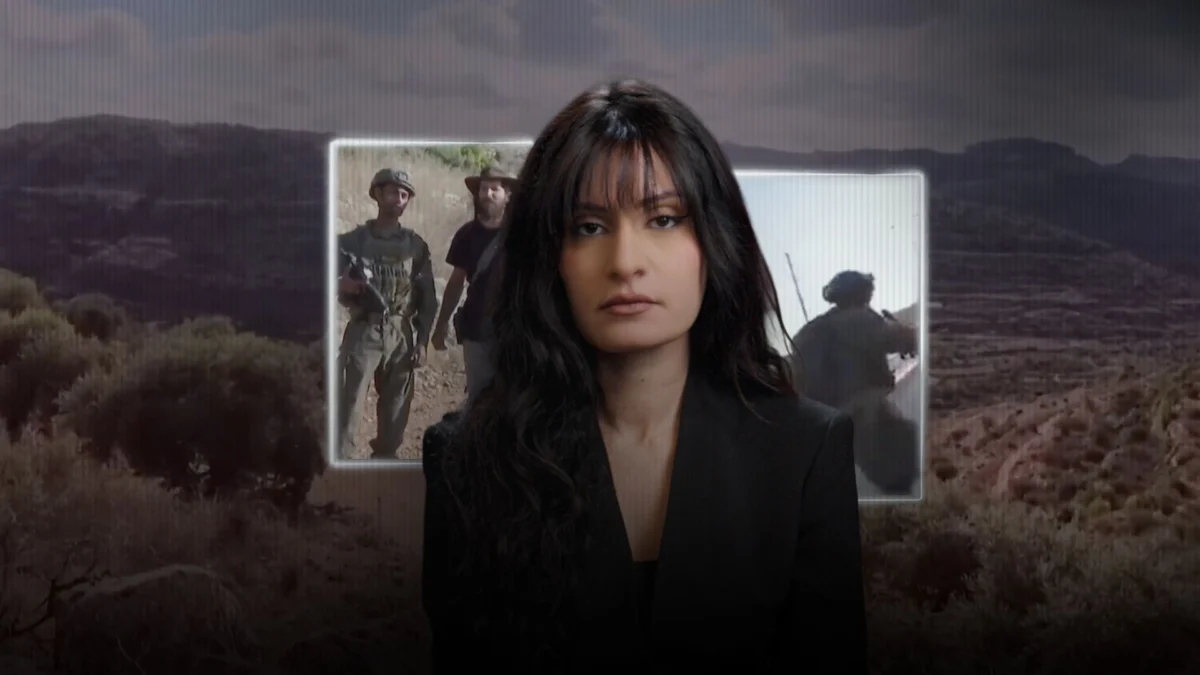
Israeli Prime Minister Benjamin Netanyahu has ordered a full lockdown of the occupied West Bank following a shooting incident, according to a report by Al Jazeera. The order was announced as part of heightened security measures in the region.
The lockdown is described as comprehensive, affecting large areas within the occupied West Bank. Details regarding the specific scope, duration, or exact areas impacted were not provided in the initial summary from Al Jazeera. The move comes amid ongoing tensions in the region and follows an unspecified shooting event that prompted the security response.
KEY FACTS
- Israeli Prime Minister Benjamin Netanyahu ordered a full lockdown of the occupied West Bank.
- The measure was taken after a shooting occurred in the area.
- The report originates from Al Jazeera.
What Happens Next?
The immediate consequences of the West Bank lockdown remain unclear. No official statements beyond the initial order have been confirmed by the source. It is uncertain whether additional restrictions or military presence increases will follow. The situation appears fluid, with no confirmed timeline for when or if the lockdown might be lifted.
The lack of detailed information raises questions about the implementation process. Movement checkpoints, access to services, and civilian life in the affected areas may be significantly disrupted during the lockdown period. However, without further confirmation from official channels or additional reporting, the practical effects cannot yet be fully assessed.
Regional stakeholders, including Palestinian authorities and international observers, have not issued public responses at the time of this report. The United Nations and other humanitarian organizations typically monitor such developments closely, but no statements have been verified at this stage.
Who Is Affected by the Lockdown?
The West Bank lockdown directly impacts Palestinians living under Israeli military control in the occupied territory. Restrictions on movement can affect access to healthcare, education, employment, and basic goods. Past lockdowns have resulted in economic hardship and reduced access to essential services for local populations.
International relations may also be influenced by the decision. Countries and diplomatic bodies that monitor conditions in the occupied West Bank often issue statements on major policy shifts. Additionally, aid organizations operating in the region may need to adjust operations due to access limitations imposed by the lockdown.
Regional security dynamics are likely to shift as a result of the lockdown. Neighboring governments and non-state actors will probably assess how the measure affects stability across the broader area. Intelligence agencies and military officials are expected to evaluate whether the lockdown achieves its stated security objectives.
How Did We Get Here?
The West Bank has experienced recurring periods of heightened security measures in response to incidents deemed threats by Israeli authorities. These actions typically follow attacks or suspected attacks involving Israeli citizens or security forces. Lockdowns and curfews have historically been used as tactical tools to isolate suspects and prevent escalation.
The current lockdown follows a reported shooting, which aligns with established patterns of response. Previous such measures have led to temporary increases in military presence and coordination with Palestinian security entities. The occupied West Bank remains a focal point of international concern due to frequent changes in security protocols.
Political factors also play a role in decisions like these. Domestic pressures within Israel sometimes influence the timing and scope of security operations. Likewise, diplomatic considerations with regional partners and global powers shape the messaging around such actions. Al Jazeera’s coverage marks the latest chapter in a long-standing pattern of reporting on shifts in control and access in the occupied West Bank.
WHAT WE KNOW — AND WHAT WE DON’T
Verified by the source:
- Israeli Prime Minister Benjamin Netanyahu ordered a full lockdown of the occupied West Bank.
- The lockdown was ordered following a shooting incident.
- The report was issued by Al Jazeera.
Still unconfirmed:
- The exact areas included in the lockdown.
- The duration of the lockdown order.
- The nature and details of the shooting that triggered the lockdown.
- Whether any injuries or casualties resulted from the shooting.
- Official confirmation from the Israeli government.
Why It Matters
Lockdowns in the occupied West Bank carry significant implications for civilian populations, especially regarding access to healthcare, education, and economic opportunity. They also reflect ongoing volatility in a region long central to Middle East peace efforts. Decisions like these are closely watched by international actors involved in monitoring human rights and regional stability. A West Bank lockdown of this scale could strain already tense relations between Israelis and Palestinians, affecting diplomatic initiatives and humanitarian aid delivery throughout the area.
What To Watch
Official statements from the Israeli government or military are expected to clarify the parameters of the lockdown. Al Jazeera and other news outlets may provide updated details on affected regions and policy timelines.