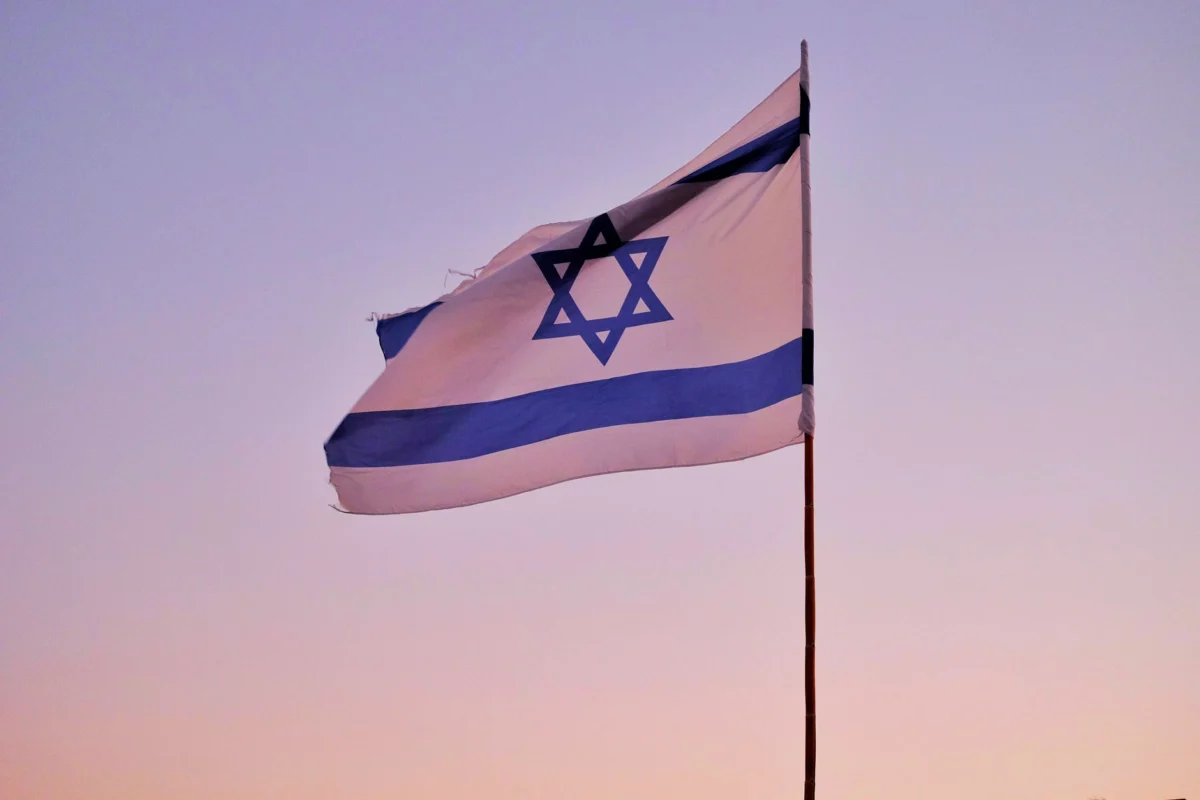
Israel said on Wednesday its forces will continue operations in Lebanon even though a ceasefire was declared earlier that day, signaling that the pause may be only cosmetic.
At a press briefing in Tel Aviv, the Israel Defense Forces (IDF) spokesperson reiterated that “operational missions” will proceed until “security objectives are met.” The statement came just hours after the United Nations announced a temporary cessation of hostilities between Israel and Hezbollah.
What triggered the decision?
Within minutes of the ceasefire announcement, IDF drones overflown the Bekaa Valley, and artillery shells landed near the town of Marjayoun, killing two civilians, according to local reports. The Israeli Defence Ministry cited “ongoing threats” from Hezbollah launch sites that, in its view, were not covered by the ceasefire terms.
Why does this matter?
The continuation of Israeli strikes threatens to pull neighboring countries into a broader conflagration. Energy prices, already jittery from the war in Ukraine, could spike if oil infrastructure in the eastern Mediterranean is disrupted. Moreover, millions of Syrian and Lebanese refugees in the region may face renewed displacement.
For ordinary citizens, the message is clear: a ceasefire on paper does not guarantee safety on the ground. Families in southern Lebanon remain on high alert, and Israeli border towns report a surge in air‑raid siren activations.
International reaction
The United Nations quickly called for “full compliance” with the ceasefire, urging both sides to refrain from any offensive action. The United States expressed “concern” but stopped short of condemning Israel, while Russia warned that “any escalation could destabilise the entire Levant.”
Analysts at the war‑geopolitics desk argue that Israel’s stance is designed to pressure Hezbollah into a negotiated settlement that favours Israeli security demands.
What happens next?
Watch for a possible UN Security Council meeting within 48 hours, where a resolution may be tabled to enforce the ceasefire. Meanwhile, the IDF is expected to increase intelligence‑gathering missions, and Hezbollah has hinted at “retaliatory” strikes if Israeli attacks persist.
Stay tuned as the situation evolves; the next few days will likely determine whether the ceasefire holds or unravels into a new chapter of the regional war.