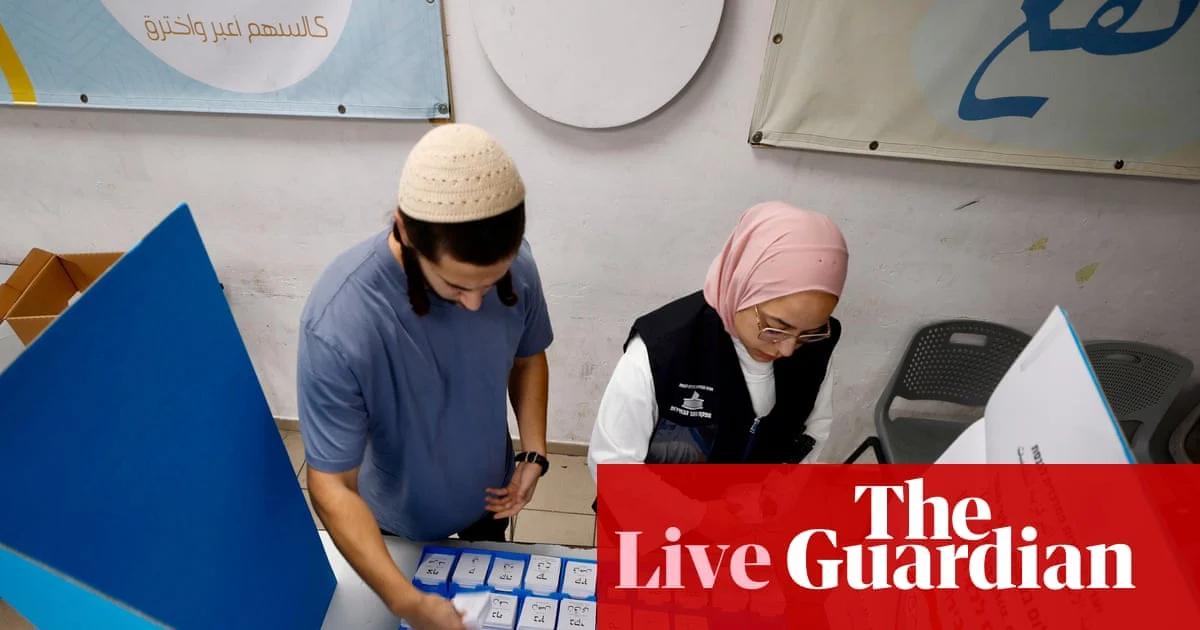
Israel’s most consequential election in the nation’s history is underway, with tens of thousands of citizens living abroad returning to vote in person. The Israel election is being framed as a pivotal moment, as most polling suggests Prime Minister Benjamin Netanyahu’s coalition will lose its majority in the Knesset.
Voting began across Israel Tuesday, marking a high-stakes moment in the country’s democratic process. The outcome could reshape the political landscape and determine whether Netanyahu remains in power or steps aside for a new government led by opposition contender Gadi Eisenkot.
KEY FACTS
- Tens of thousands of Israelis abroad flew in to vote, per Aid Coalition, a US-based nonprofit.
- Israeli law generally requires citizens to vote in person, with narrow exceptions for diplomats.
- Most polling shows Netanyahu’s coalition will lose its majority.
- Gadi Eisenkot is the leading opposition contender.
- The election is described as the most consequential in Israel’s history.
The Israel Election: What Happens Next?
The Israel election unfolds amid intense scrutiny, with voters deciding not only party loyalty but also the future direction of governance. As results come in, attention will turn to whether Netanyahu can maintain his long-standing hold on power following a decline in support for his coalition. Gadi Eisenkot, a former military chief turned politician, has emerged as a unifying figure for the opposition bloc seeking to unseat the incumbent government.
Unlike many democracies where overseas citizens can vote remotely, Israel maintains strict residency-based voting rules. This has prompted a surge of returnees, underscoring the perceived significance of this vote. With no clear majority expected, coalition negotiations could extend well beyond election night, prolonging uncertainty over who will form the next government.
Who Is Affected by the Israel Election?
Citizens across Israel and abroad are directly affected by the Israel election, especially those who traveled home specifically to cast ballots. For diaspora communities, the logistical barrier of in-person voting means participation hinges on physical presence in the country—an exception made for diplomats and select officials stationed overseas.
Beyond individual voters, the entire political establishment is bracing for potential upheaval. Should Netanyahu’s bloc fall short, it would mark a dramatic shift in Israeli leadership dynamics. Meanwhile, Eisenkot’s rise signals growing appetite among voters for change after years of deadlock under Netanyahu’s tenure. The implications extend internationally, influencing regional alliances and diplomatic relations with global powers invested in Middle Eastern stability.
How Did We Get Here?
This Israel election stems from longstanding political paralysis and ongoing legal challenges facing Netanyahu, whose leadership has been defined by both longevity and controversy. Repeated attempts to dissolve parliament ultimately led to snap elections, offering voters a fresh chance to weigh in on governance amid unresolved policy debates.
Public sentiment appears split between supporters rallying behind Netanyahu’s nationalist platform and critics pushing for accountability through new representation. As campaign rhetoric intensifies, so too does international interest in how these domestic shifts might impact everything from peace accords to economic partnerships tied to the broader geostrategic environment involving neighboring nations like Palestine and beyond. That context frames why the Israel election captures global headlines despite being rooted locally within Jerusalem’s halls of governance.
WHAT WE KNOW — AND WHAT WE DON’T
Verified by the source:
- Voting is currently underway across Israel.
- Tens of thousands of Israelis abroad returned to vote, according to Aid Coalition.
- Most polling indicates Netanyahu’s coalition will lose its majority.
- Gadi Eisenkot leads the opposition contenders.
- The Israel election is considered the most consequential in the country’s history.
Still unconfirmed:
- Exact number of voters abroad who participated.
- Specific polling margins or methodologies cited.
- Final seat projections or post-election coalition plans.
- Official timelines for forming a new government.
WHY IT MATTERS
The Israel election holds significance not only for domestic governance but also for regional diplomacy and international relations. A change in leadership could influence ongoing negotiations related to security, territorial disputes, and foreign policy alignments. Additionally, the influx of expatriate voters highlights evolving civic engagement trends that reflect deeper societal tensions about national identity, democratic participation, and institutional trust—all critical issues shaping modern democracies worldwide facing similar crosscurrents of tradition versus reform.
What to watch: Whether Netanyahu retains power or yields control to an opposing coalition backed by Eisenkot will determine the Israel election’s immediate aftermath and longer-term consequences for governance. Officials have yet to announce final results timelines, though early indicators suggest prolonged coalition-building discussions may follow initial vote tallies.
Explore more in Politics — Learn how electoral outcomes shape national discourse and international engagement strategies across borders.