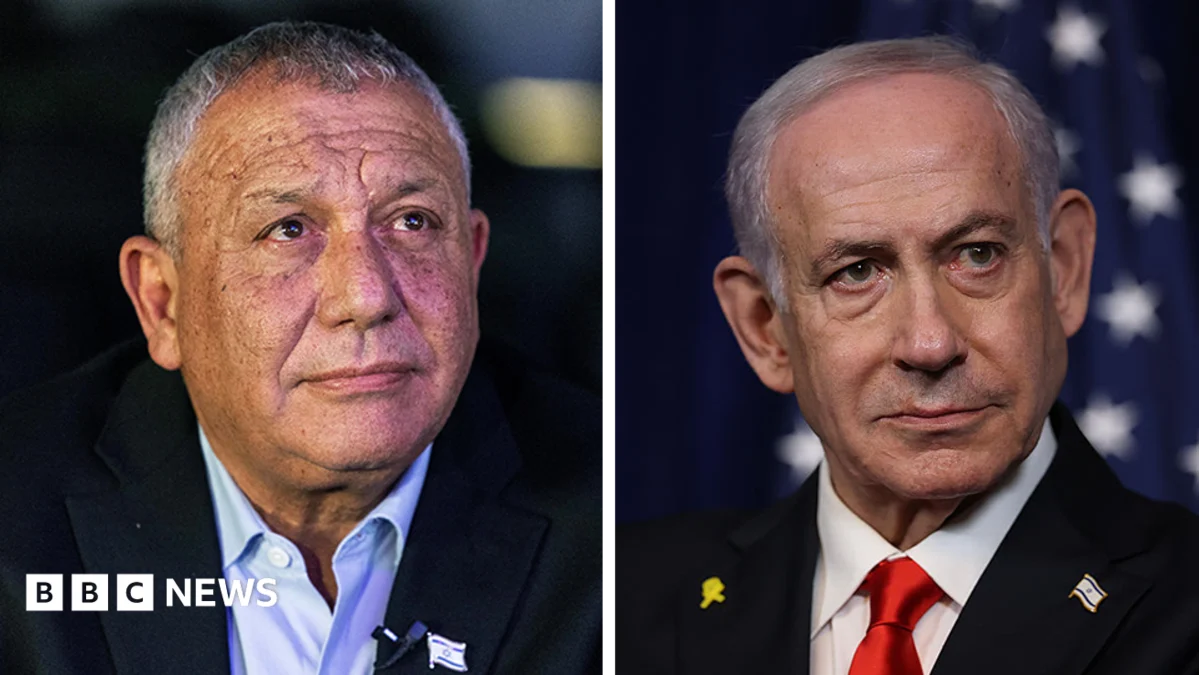
Israel held a pivotal election marked by the highest voter turnout since 1981, with many fearing that neither of the leading political blocs secured enough seats for a majority.
The result suggests weeks or months of political wrangling may lie ahead as parties attempt to form a governing coalition. The outcome underscores deep divisions within Israeli society and the challenges of achieving stable governance.
Key Facts
- Turnout highest since 1981 — voters cast ballots in a pivotal election with record participation.
- No clear majority expected — neither leading bloc likely won enough seats to govern alone.
- Political wrangling ahead — analysts warn of months-long coalition negotiations.
- Election described as pivotal — outcome could reshape near-term governance trajectory.
What happens next?
With no bloc expected to cross the majority threshold, Israel faces an extended period of coalition talks. Such negotiations typically involve multiple parties weighing policy concessions, ideological alignment, and ministerial allocations. The process can stretch for weeks, and repeated failures risk triggering new elections, adding uncertainty to public services and national priorities. International observers are also watching closely due to regional implications.
The electoral system uses nationwide proportional representation with a low threshold for party entry, meaning many small parties gain Knesset seats and increase the complexity of forming a stable coalition. This structure often leads to fragmented parliaments and makes single-party governments rare, reinforcing the need for compromise among ideologically diverse groups.
How did we get here?
Israel’s multi-party democracy has historically struggled with narrow majorities and coalition instability. Periodic elections reflect unresolved tensions over governance, security, and social policy. Previous cycles saw repeated voting without clear resolution, eroding public confidence in political institutions. The current election follows a pattern of fragmented outcomes that delay decisive policy action, leaving citizens uncertain about leadership continuity and long-term planning.
High turnout signals strong civic engagement despite recurring frustrations. Analysts suggest that voter enthusiasm may stem from concerns over judicial reform, economic pressures, and security issues dominating public discourse. These themes are likely influencing coalition dynamics and shaping demands for specific policy commitments during negotiations.
What We Know — and What We Don’t
Verified by the source:
- Election turnout was the highest since 1981 according to BBC News.
- Neither leading bloc is projected to win a majority of seats.
- Weeks or months of political wrangling are anticipated.
- The election has been described as pivotal by the source.
Still unconfirmed:
- Exact turnout percentage or numerical vote totals are not reported.
- Identities and platforms of specific leading parties or blocs remain unnamed.
- Timeline for coalition formation or potential second-round procedures are unstated.
- Statements from officials, parties, or candidates are not provided by the source.
Why it matters
For citizens and policymakers alike, prolonged uncertainty affects budget approvals, national security decisions, and social programs. In volatile regions, unclear governance can influence diplomatic relations and economic planning. Understanding these stakes helps readers grasp how electoral outcomes echo beyond polling day.
What to watch
Coalition negotiations are expected to begin shortly, with media scrutiny on procedural timelines and party positioning. Updates will clarify whether a government emerges quickly or if new elections become necessary.
Israeli election turnout reached its highest level since 1981, with no clear path to a governing majority yet in sight.
<!– Internal links: politics –>