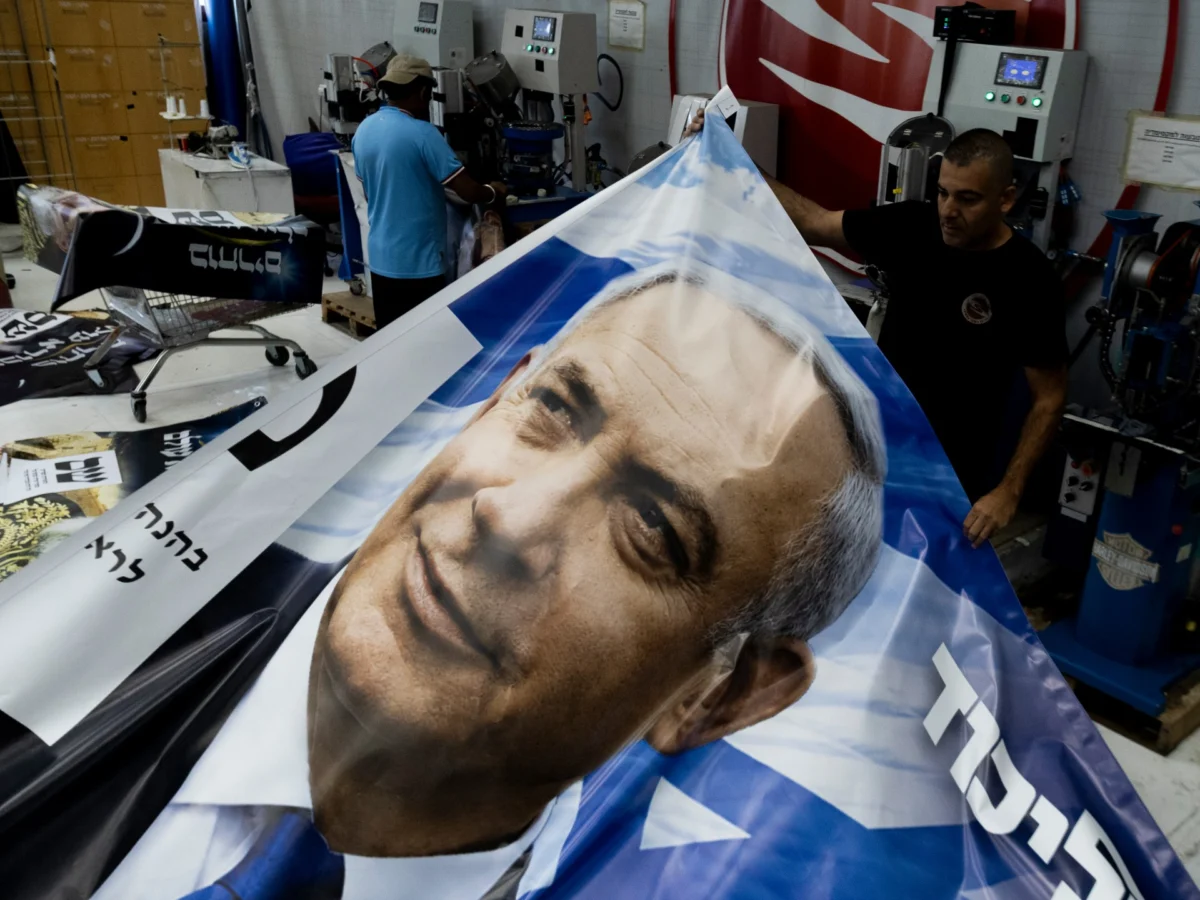
Israel election online warfare has intensified ahead of the vote, with bots, deepfakes and surveillance shaping campaign tactics on both sides, according to Al Jazeera.
The report says Prime Minister Benjamin Netanyahu and rival camps are locked in a near-tie days before the ballot, and both sides are deploying digital tools to spread messages and gather data. The contest reflects how modern elections increasingly rely on automated and AI-driven techniques rather than traditional rallies and phone calls.
KEY FACTS
- Israel election online battle under way before the vote.
- Bots, deepfakes and surveillance reported on both sides.
- Netanyahu and rivals tied days from the ballot.
- Data and automated tools central to campaign strategy.
The Technology Tools in Play
Digital campaigning now blends automated accounts, synthetic media and data analytics, according to the source. Bots amplify posts and hashtags, deepfakes create convincing fake audio or video, and surveillance gathers voter information. Together these tools blur the line between authentic engagement and manufactured influence. Analysts say such tactics can sway undecided voters quickly, especially on social media where content spreads fast. The scale of deployment remains hard to measure, but the report notes both Netanyahu’s camp and his rivals are using these techniques. This technological arms race raises questions about fairness and transparency in democracies. Voters may struggle to distinguish genuine content from manipulated material. The challenge lies not only in detecting false posts but also in tracking coordinated inauthentic behavior across platforms. Regulators have limited tools to police cross-border operations. Each side tries to outpace the other in reach and targeting accuracy. The result is a campaign environment where truth competes with volume and speed of distribution. Understanding these methods helps voters recognize manipulation.
Who Is Affected by This Online Fight?
The primary audience includes millions of eligible voters who consume political updates daily through mobile phones and computers. Younger users face heightened exposure since they rely on visual content platforms where deepfakes circulate rapidly. Foreign observers monitoring the process also encounter difficulty verifying claims made online. Campaign staffers themselves must navigate rules governing advertising disclosure, though enforcement varies by platform. Citizens outside Israel follow developments too, adding pressure for accurate international coverage. Local journalists verify reports using limited public data sources, unlike researchers with full access to internal metrics. Civil groups call for clearer guidelines on what constitutes election interference, especially regarding synthetic media. They argue current policies fail to protect voters from misleading automated posts. The outcome likely influences future digital norms and campaign standards worldwide.
Why It Matters That the Campaign Goes Digital
This pattern illustrates broader concerns about misinformation in democracies, where truth competes with persuasive but false narratives across social platforms.
What We Know — and What We Don’t
Verified by the source:
- Bots, deepfakes and surveillance are being used in the Israel election online campaign.
- Netanyahu and rival factions are described as tied days from the vote.
- Data collection and automated tools are central to campaign strategy.
Still unconfirmed:
- No specific numbers, dates or named individuals involved.
- Extent of foreign involvement or cross-border coordination.
- Details on which platforms host the majority of activity.
- Official responses from candidates or regulators.
The vote is expected shortly, though the source provides no exact date.
Related Coverage
Follow more on geopolitics at the war-geopolitics archive or AI developments at the tech-ai section.