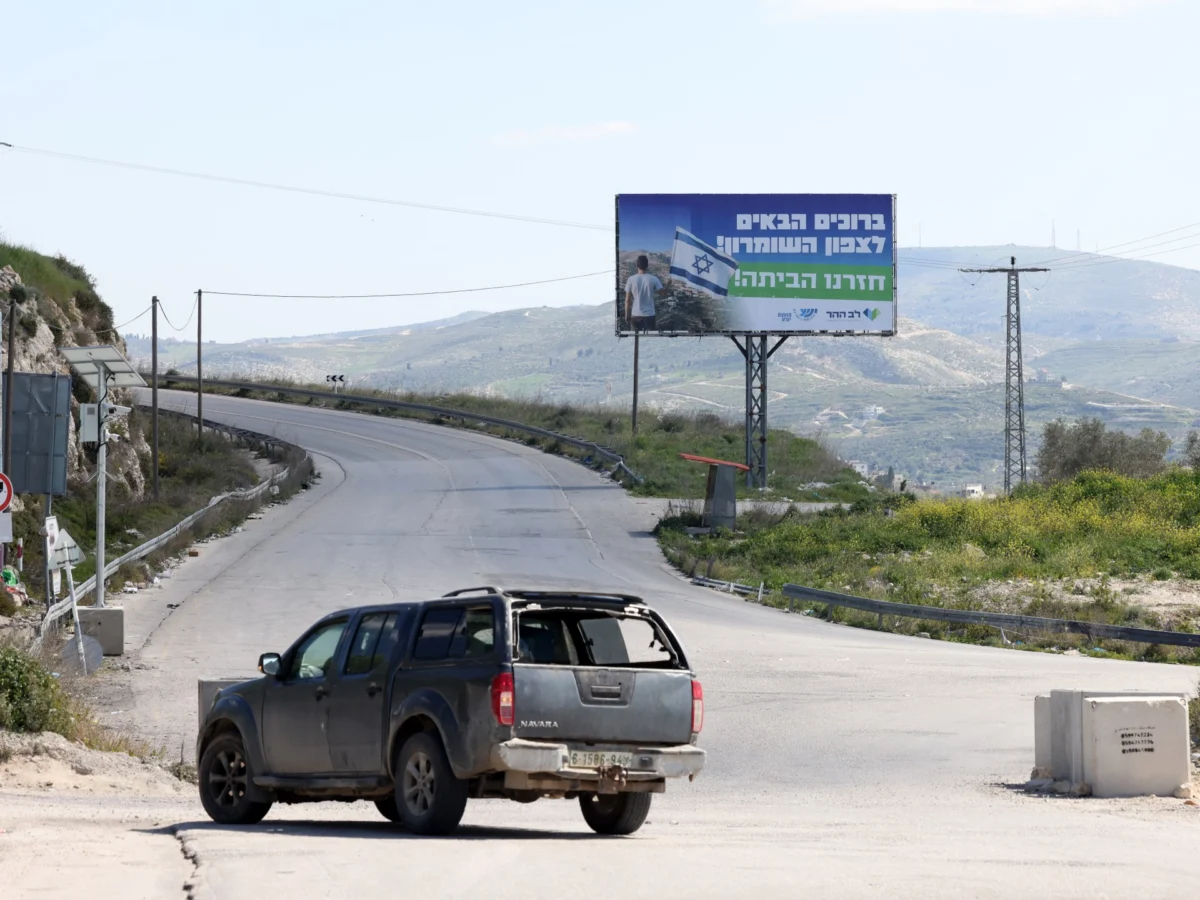
Israel has approved a plan to establish 13 new settlements in the occupied West Bank, prompting Palestinian officials to warn that the move will further isolate East Jerusalem.
The decision adds to ongoing tensions over settlement expansion in territories captured in 1967. Palestinian leaders argue that the new settlements will limit the prospects for a contiguous East Jerusalem and deepen the political divide.
Key Facts
- Israel approved a plan for 13 new settlements in the occupied West Bank.
- Palestinian officials say the plan will further isolate East Jerusalem.
- The settlements are described as being in the occupied West Bank.
What does the plan entail?
The approved plan calls for the establishment of thirteen new residential communities within the West Bank area that Israel occupies. No further details on locations or timelines were provided in the source.
Who is affected?
Palestinian officials have voiced concern, stating that the settlements could limit the mobility of residents and affect the status of East Jerusalem. Israeli authorities are the ones implementing the approval.
How did this development arise?
The approval follows a series of settlement announcements in recent years. The move aligns with Israel’s broader policy on settlement expansion, while Palestinian leaders continue to oppose such initiatives.
What We Know — and What We Don’t
Verified by the source:
- Israel approved a plan for 13 new settlements in the occupied West Bank.
- Palestinian officials warned the plan would further isolate East Jerusalem.
Still unconfirmed:
- Specific locations of the new settlements.
- Timeline for construction or habitation.
- Reactions from other international actors.
Understanding the impact of the new settlements is important because settlement growth has long been a flashpoint in Israeli‑Palestinian relations, influencing negotiations and daily life for many.
Why it matters
The expansion of settlements in the occupied West Bank is a core issue in the conflict, affecting prospects for a two‑state solution and the status of East Jerusalem, a city both sides claim as their capital.
What to watch
Future statements from Israeli and Palestinian officials and any international responses will indicate how the plan may influence the broader geopolitical landscape.