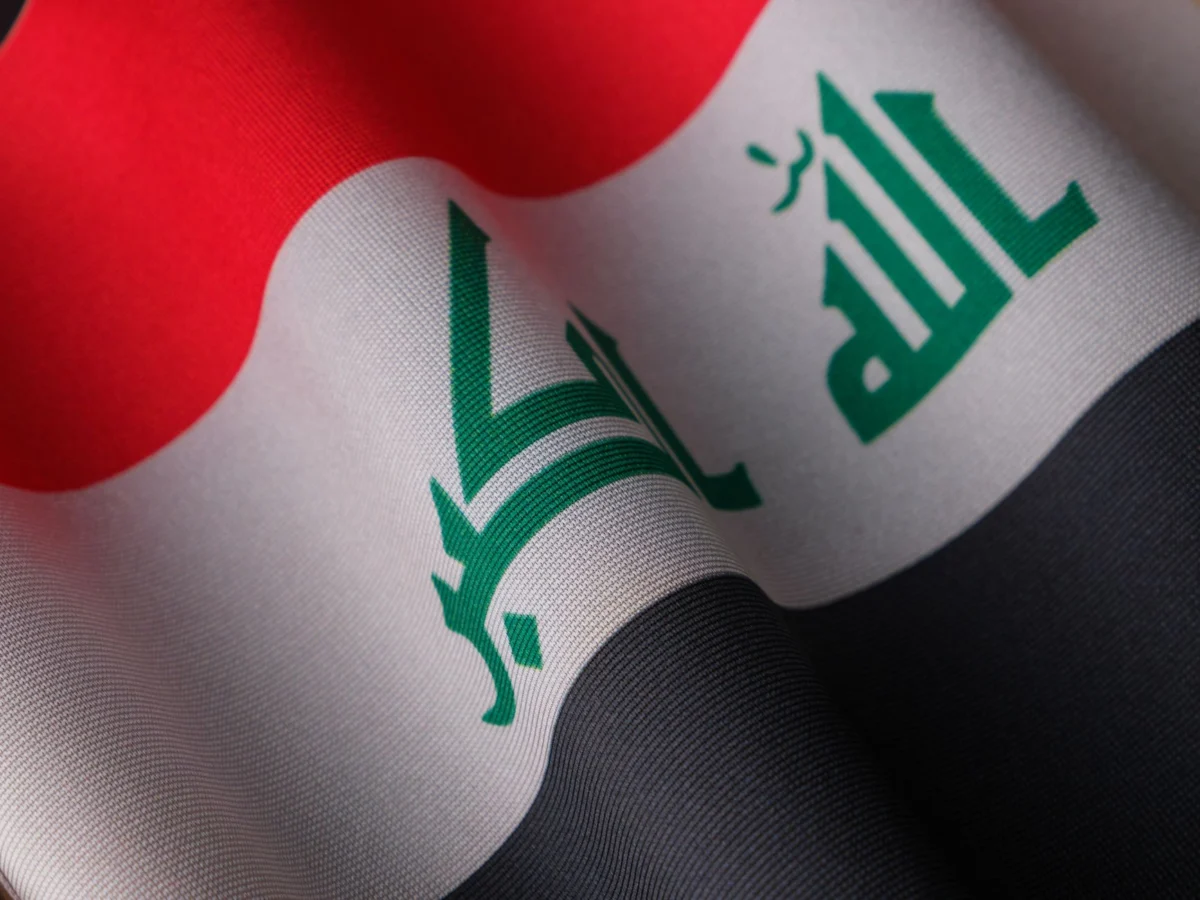
Iraq’s prime minister has directed the oil ministry to assume management of oilfields located in areas under Kurdish control, a move Kurdish authorities have rejected. The order intensifies a protracted struggle between Baghdad and the semi-autonomous Kurdistan Region over energy resources and revenue.
The directive signals Baghdad’s latest attempt to centralize authority over the country’s most valuable natural asset. Kurdish leaders have consistently resisted federal oversight of fields they consider within their constitutional jurisdiction.
KEY FACTS
- Iraqi PM orders oil ministry to manage oilfields in areas under Kurdish control
- Kurdish authorities reject the move
- Dispute centers on control of energy resources and revenue
- Source: Reuters via Google News
THE STORY
Baghdad asserts federal authority
The prime minister’s order places the federal oil ministry in direct administrative charge of fields operating in territory controlled by the Kurdistan Regional Government (KRG). Iraq’s constitution assigns oil and gas management to the federal government, but the KRG has signed its own contracts with international companies since 2007, arguing the constitution allows regional management when federal law is absent. No federal hydrocarbon law has been enacted.
Revenue from these fields feeds into both the national budget and the KRG’s independent budget. Baghdad has previously sought to audit KRG exports and redirect payments through the federal treasury. The new order appears to be an administrative step toward that goal.
What happens next?
Kurdish rejection sets the stage for a potential standoff. The KRG controls the physical infrastructure and personnel on the ground. International oil companies operating under KRG contracts face conflicting legal directives. Previous disputes have led to pipeline shutdowns, arbitration cases, and temporary export halts that reduced federal revenue. Neither side has indicated willingness to escalate to force, but the economic pressure on both budgets is significant.
Who is affected?
Iraq’s federal budget relies on oil for over 90% of revenue. The KRG’s budget depends heavily on its independent oil sales. Disputes disrupt exports, hurt investor confidence, and delay development of new fields. Ordinary citizens in both jurisdictions feel the impact through delayed salaries, reduced public services, and currency instability. International companies face legal uncertainty that complicates long-term investment decisions.
WHAT WE KNOW — AND WHAT WE DON’T
Verified by the source:
- Iraqi prime minister ordered the oil ministry to manage oilfields in Kurdish-controlled areas
- Kurdish authorities rejected the order
- The report comes from Reuters
Still unconfirmed:
- Which specific oilfields are covered by the order
- When the order was issued or takes effect
- Whether the order includes export authority or only operational management
- KRG’s detailed legal or political response beyond rejection
- International oil companies’ reactions
- Any immediate operational changes on the ground
WHY IT MATTERS
Control over Iraqi oilfields determines how the country’s primary wealth is distributed. The dispute reflects deeper unresolved questions about federalism, revenue sharing, and the Kurdish region’s autonomy within Iraq. Outcomes affect global oil markets, regional stability, and the livelihoods of millions dependent on state spending.
WHAT TO WATCH
Whether Baghdad attempts to enforce the order through budgetary measures, legal action, or negotiations. Any disruption to exports from the disputed fields would signal escalation.