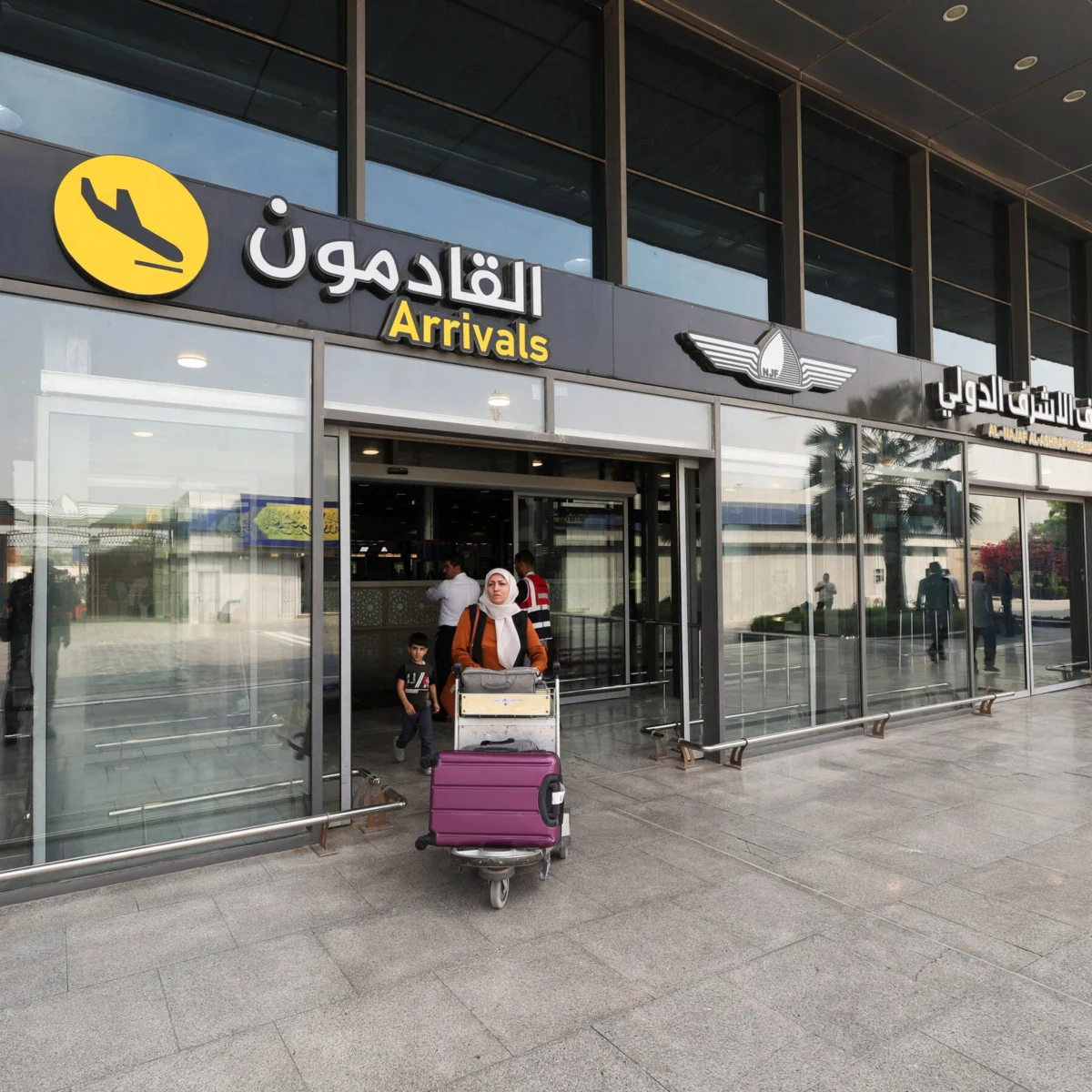
Iraq has secured U.S. approval to restart direct flights to Iran, Prime Minister Mohammed Shia Al-Sudani announced, marking a significant shift in regional aviation policy. Flights between the neighboring countries had been halted after broad U.S. penalties targeting Iran’s aviation industry took effect. The announcement signals a potential easing of transportation restrictions, though the scope and timeline of resumed operations remain unclear.
Iraq’s move comes amid evolving diplomatic dynamics in the Middle East, where cross-border flights often reflect shifting political and economic relationships. The resumption of flights between Baghdad and Tehran could facilitate travel for pilgrims, traders, and families separated by sanctions-enforced restrictions. Analysts caution that renewed connectivity does not necessarily indicate broader policy shifts, as U.S. sanctions continue to influence commercial aviation throughout the region.
What happens next?
Details regarding which routes will resume, flight frequencies, or participating airlines have not been specified. U.S. officials have not yet provided additional commentary on the nature of the permission granted to Iraq. Regional observers note that the decision may hinge on ongoing negotiations over sanctions compliance and aviation safety standards.
Key Facts
- Prime Minister of Iraq announced U.S. permission to resume Iran flights.
- Flights were previously halted due to U.S. penalties on Iran’s aviation industry.
- The affected routes connect Iraq and Iran, neighboring countries.
- No official timeline or route details were disclosed in the announcement.
Iraq and Iran share a long land border and have historically maintained strong cultural, religious, and economic ties despite periods of political tension. Direct flights between the two nations serve millions of passengers annually, particularly for Shia Muslim pilgrimages to holy sites in Iraq. Restrictions imposed under U.S. sanctions have limited airline operations, affecting tourism, trade, and family travel across the border region.
The suspension of flights followed years of tightened U.S. economic measures against Iran, including those targeting its civil aviation sector. These sanctions have complicated international airlines’ ability to service Iranian airspace or operate flights involving Iranian carriers. Iraq’s recent acquisition of U.S. approval suggests a tailored exception, though the legal framework enabling such flights remains undefined in public statements.
What we know—and what we don’t—about Iraq’s approval to resume flights to Iran:
Verified by the source:
- Iraq’s Prime Minister announced resumption of Iran flights with U.S. permission.
- Previous flights were halted due to broad U.S. penalties on Iran’s aviation industry.
- Iraq and Iran are neighboring countries with historical cross-border ties.
Still unconfirmed:
- Which specific airlines or routes will operate initial flights.
- When exactly flights are expected to begin.
- Whether similar permissions apply to other regional carriers.
- Details of any formal agreement underlying the U.S. approval.
This development holds broader significance for Middle Eastern diplomacy and civilian mobility, especially given the symbolic and practical value of open air corridors. For ordinary travelers and merchants, restored flights could reduce dependence on land routes prone to closures and instability. At the same time, the limited disclosure raises questions about how this authorization fits within wider U.S. strategic objectives in the region.
Meta: Iraq secured U.S. approval to resume flights to Iran after prior halts linked to sanctions on Iran’s aviation sector.
Future developments may include formal route certifications, U.S. Treasury guidance clarifying sanction exemptions, or diplomatic responses from Tehran. Stakeholders will watch for statements from both Baghdad and Washington on implementation mechanisms. Additionally, Iranian aviation authorities may address safety protocols required for re-entry into international airspace coordination.
Related coverage: War & Geopolitics | Economy & Markets