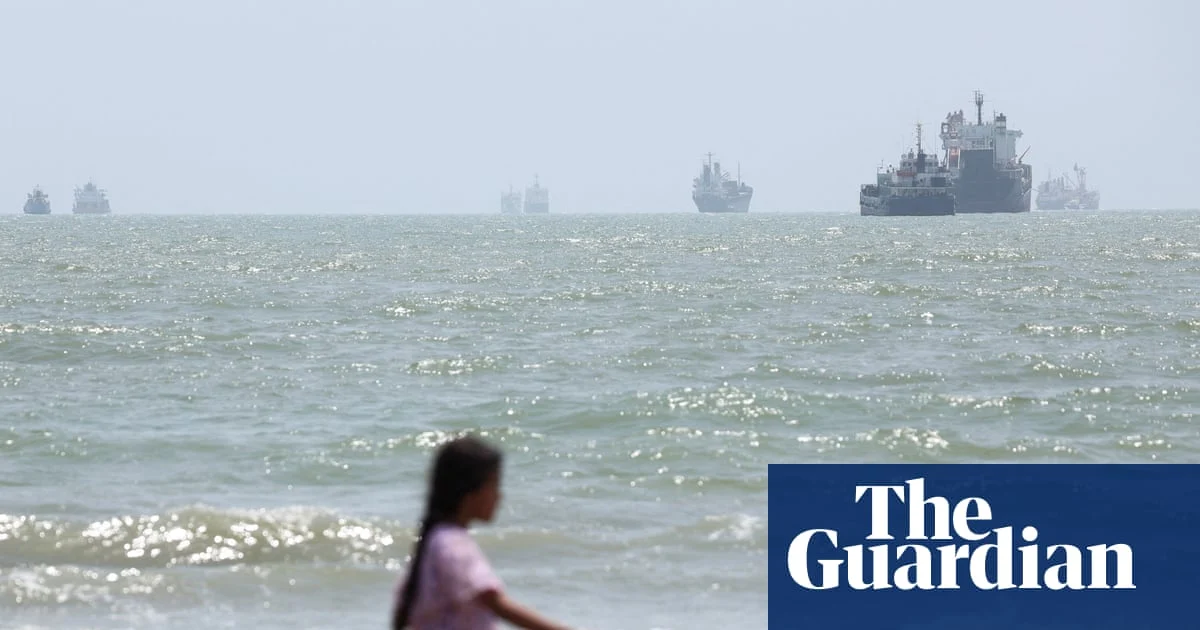
The Strait of Hormuz, long hailed by Iranian leadership as a pillar of national security comparable to nuclear capability, may be losing its strategic value as regional alternatives emerge and U.S. sanctions loom. Internal discussions in Tehran reflect growing concern that reliance on this maritime choke point leaves Iran economically vulnerable.
With Gulf states actively planning oil pipeline projects to bypass the Strait of Hormuz, Iranian officials face mounting pressure to reconsider their negotiating stance with Western powers. Reformist factions argue that dwindling financial reserves necessitate urgent diplomacy, while hardliners maintain the waterway’s enduring geopolitical significance.
KEY FACTS
- Iran’s Supreme Leader’s office calls the Strait of Hormuz “the pillar of Iran’s new security order”
- Gulf neighbors are developing alternative pipelines to reduce reliance on the strategic waterway
- Internal Iranian debates question whether the strait’s value is eroding amid U.S. sanctions
- Calls grow within Iran to seek diplomatic solutions before economic conditions worsen
WHY THE STRAIT MATTERS
For decades, control over the Strait of Hormuz allowed Iran to influence global energy markets by threatening to disrupt nearly 20% of the world’s oil shipments. This position gave Tehran considerable leverage in international negotiations, particularly regarding its nuclear program. However, changing energy infrastructure and U.S. sanctions targeting Iranian oil exports challenge this traditional power dynamic.
WHAT HAPPENS NEXT?
As regional alternatives develop, Iranian policymakers must weigh the waterway’s diminishing economic returns against its symbolic importance in national security doctrine. Gulf Cooperation Council members continue investing in land-based transit routes that could eventually make Hormuz bypass routes commercially viable, potentially accelerating the strait’s strategic obsolescence.
WHAT WE KNOW — AND WHAT WE DON’T
Verified by the source:
- The Office of Iran’s Supreme Leader considers the Strait vital to national security
- Internal Iranian debates exist about the strait’s declining strategic value
- Gulf states are developing pipeline alternatives to the waterway
Still unconfirmed:
- Specific timelines for alternative pipeline completion and operational capacity
- Which factions in Tehran dominate the strategic debate
- How much Iran’s foreign exchange reserves have actually diminished
WHY IT MATTERS
Shifts in global energy transit routes could alter fundamental power dynamics in the Persian Gulf region, potentially weakening one of Iran’s last remaining economic and geopolitical leverage points as it faces increased international isolation. The outcome of these infrastructure developments may determine Tehran’s future negotiating posture on nuclear and regional security issues.
WHAT TO WATCH
The pace of alternative pipeline construction and Iran’s response to its perceived weakening position will indicate whether Tehran chooses diplomatic engagement or military posturing as its primary strategy in coming months. Progress in Gulf states’ infrastructure projects may force Iran to recalibrate its strategic calculations sooner than anticipated.