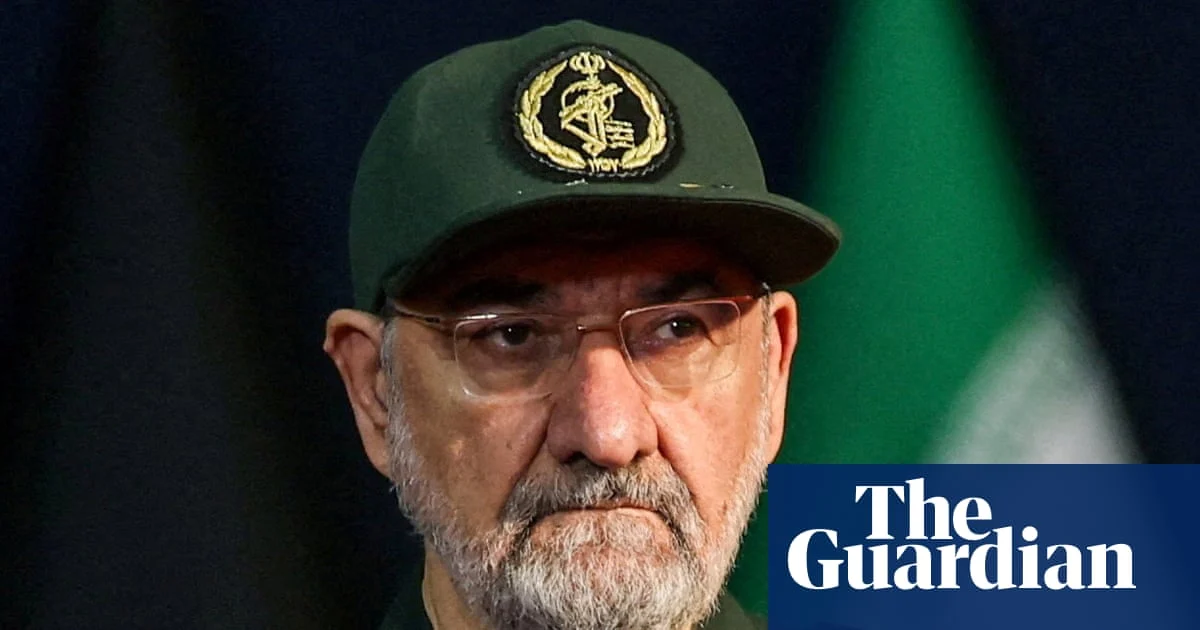
Iran’s new security chief has issued a stark warning to neighboring countries against supporting US-led economic sanctions, labeling them as ‘enemies’ if they comply. Mohsen Rezaei, the hardline leader of Iran’s Supreme National Security Council, stated in a televised interview that Tehran would retaliate against Gulf nations collaborating with Washington’s economic pressure campaign, including targeting alternative oil-shipping routes.
The remarks mark an escalation in tensions as Iran faces growing isolation under US sanctions. Rezaei’s threat specifically mentions the strait of Hormuz, a critical global oil chokepoint, though his focus extends to alternative shipping lanes outside the strait that could be disrupted.
KEY FACTS
- Iran’s new security chief, Mohsen Rezaei, warns neighbors against joining US economic sanctions.
- Rezaei threatens to target oil-shipping routes in the Gulf if regional allies comply with US pressure.
- Countries cooperating with US sanctions will be ‘considered an enemy,’ according to the statement.
- The comments follow US assertions about controlling the strait of Hormuz, disputed by Iran.
THE STORY
What’s behind Iran’s latest warning?
Rezaei’s statements highlight Iran’s increasing desperation as US sanctions continue to cripple its economy. The Trump administration’s so-called ‘maximum pressure’ campaign has sought to force Tehran into renegotiating its nuclear deal, though Iran rejects any talks under duress. By threatening Gulf neighbors, Iran signals its willingness to disrupt regional stability if its economic survival is at stake.
Why target alternative shipping routes?
The strait of Hormuz remains Iran’s most potent leverage over global oil supplies, but Rezaei now warns of retaliatory strikes against alternative passages such as Saudi pipelines or Emirati ports. This suggests Iran could expand its economic warfare beyond traditional chokepoints, aiming to instill doubt in alternative energy corridors relied on by US allies.
WHAT WE KNOW — AND WHAT WE DON’T
- Verified by the source:
- Rezaei explicitly threatens Gulf states that support US sanctions.
- Iran will target commercial interests, including shipping routes.
- Still unconfirmed:
- Whether Gulf nations have responded to the warning.
- Possible US countermeasures if Iran disrupts oil traffic.
WHY IT MATTERS
The standoff risks destabilizing the Gulf, where critical energy supplies flow through narrow straits vulnerable to blockades. Iran’s threats could push regional allies to seek stronger US military guarantees, further entrenching Cold War-style divisions in the Middle East.
WHAT TO WATCH
Whether Gulf states modify their stance on US sanctions amid these threats, and if the US reinforces naval patrols in response to potential Iranian actions. Diplomatic efforts to de-escalate remain uncertain. For more on geopolitical tensions, see our war and geopolitics coverage.