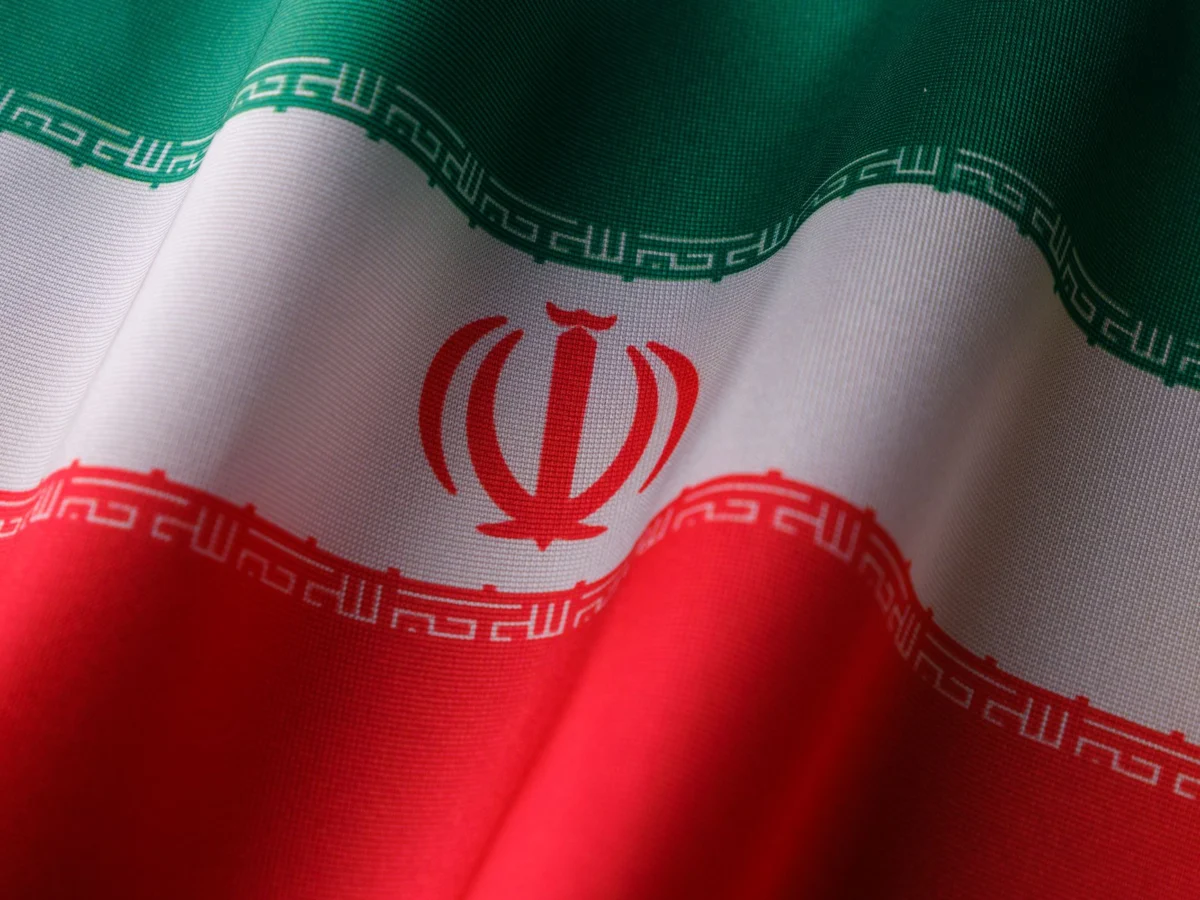
Iran indicated it has received an official US response to its latest offer regarding ending the war. This development, reported by AP News, reflects ongoing indirect negotiations between the two nations. The nature of the response remains unclear, but it signals continued diplomatic engagement despite years of tension.
The exchange highlights a delicate backchannel through which both sides are discussing potential de-escalation. While details of the proposals are not disclosed, the acknowledgment of communication suggests neither party has closed the door to dialogue. Such interactions often occur through intermediaries or written correspondence given strained formal ties.
KEY FACTS
- Iran says it received an official US response to its latest offer on ending the war.
- The development was reported by AP News.
- The communication reflects indirect negotiations between Iran and the US.
- No details of the proposal or response have been publicly disclosed.
- Diplomatic engagement continues despite longstanding tensions.
What happens next?
Future steps depend on how Iran formally replies to the US response. Historically, Tehran has used state media to signal positions without revealing specifics. If a reciprocal offer emerges, it would likely be framed in terms of sovereignty and regional security — key themes in past nuclear deal discussions. Whether this current exchange mirrors those structures is unknown. Observers will watch for further statements from Iranian officials or additional media reports confirming next moves.
Background on US-Iran diplomatic channels
Direct diplomatic relations between the US and Iran were severed in 1980 following the hostage crisis. Since then, negotiations have largely taken place via third-party facilitators such as Iraq, Switzerland, or Qatar. Written exchanges remain common during sensitive phases like nuclear negotiations. These quiet conversations allow both sides to explore options without public posturing. This latest reported exchange fits within that pattern of measured, off-record diplomacy.
Why it matters: ongoing geopolitical implications
Any direct or indirect communication regarding conflict resolution between the US and Iran carries significant weight for regional stability. Both nations wield influence far beyond their borders — the US through military presence and alliances; Iran through proxies and energy markets. A breakthrough, however tentative, could reshape security dynamics across the Middle East. Conversely, missteps or silence might harden positions and reduce space for future dialogue. For global audiences, especially those monitoring energy prices and refugee flows, these diplomatic undercurrents often translate into tangible effects.
WHAT WE KNOW — AND WHAT WE DON’T
Verified by the source:
- Iran indicated it received an official US response to its latest war-related offer.
- The report originated from AP News according to Google News search parameters.
- Negotiations appear to be indirect, consistent with historical precedent.
Still unconfirmed:
- The exact content or scope of either side’s proposal.
- The timeline or formal structure of any upcoming replies.
- Whether this exchange involves nuclear issues, regional conflicts, or broader peace initiatives.
- The identities of any intermediaries involved in facilitating communication.
This story underscores the importance of tracking nuanced shifts in international diplomacy. While no formal agreement seems imminent, the simple act of exchanging responses suggests openness to negotiation — something rare in publicly stated positions between Washington and Tehran. Analysts expect more clarity only if follow-up communications emerge or official spokespeople comment further.
Iran says it received an official US response to its latest offer on ending the war, per AP News reporting via Google News.
WHY IT MATTERS: Diplomatic contact between the US and Iran affects Middle Eastern stability, energy markets, and global security policies. Even limited exchanges can shift public discourse and foreign policy trajectories.
WHAT TO WATCH: Official statements from either government could confirm whether negotiations progress beyond initial response stages. Monitor updates from [war-geopolitics](/category/war-geopolitics) and [economy-markets](/category/economy-markets) for related developments.