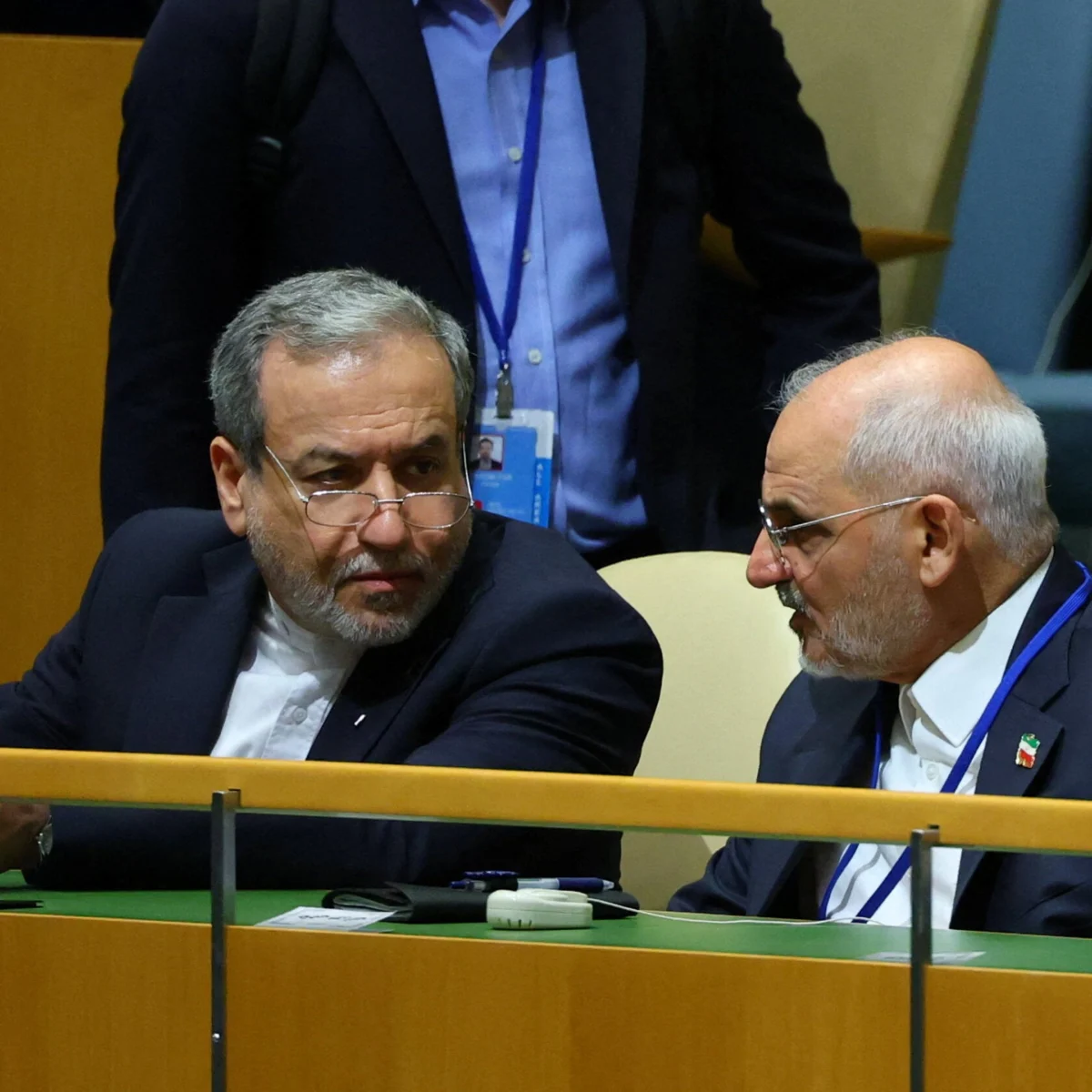
Iran has floated a new 7-day plan aimed at ending the ongoing war, according to a report published by NYT > Top Stories. The Iran proposal includes reopening the strategic Strait of Hormuz and resuming nuclear negotiations, two issues that have been central to regional tensions for years. While the specifics of implementation remain unclear, the offer signals a potential shift in Tehran’s approach amid ongoing conflict.
The Iran proposal arrives at a critical juncture, as the war continues to disrupt global energy supplies and strain diplomatic efforts. The Strait of Hormuz, a vital maritime corridor through which roughly one-fifth of global petroleum liquids pass, has been largely closed due to hostilities, driving up fuel prices and raising alarms among energy-importing nations. Reviving nuclear talks would mark a return to negotiations that were paused following the outbreak of hostilities, offering a possible pathway for de-escalation. Analysts note that past Iranian overtures have often come with conditions, though this report does not specify any attached to the current Iran proposal.
Key Facts
- Iran proposal: A 7-day plan to end the ongoing war was put forward.
- Strait of Hormuz: Reopening the waterway is part of the offer.
- Nuclear talks: Reviving negotiations is included in the initiative.
What happens next?
The Iran proposal has not yet been formally accepted or rejected by any party involved in the conflict. No official statements have been attributed to Israeli, U.S., or allied forces regarding their response. Regional observers are watching closely for whether the reopened Strait of Hormuz would be monitored internationally or unilaterally. The nuclear component may face skepticism given past breakdowns in diplomacy, and experts say verification mechanisms would likely be demanded before any deal moves forward. For now, the Iran proposal remains an outline, with details yet to emerge.
How did we get here?
Tensions over Iran’s nuclear program have simmered for decades, with periodic negotiations yielding mixed results. The current war disrupted those talks, leading to a hardening of positions on all sides. Closure of the Strait of Hormuz has further escalated concerns over energy instability. The Iran proposal appears to link two longstanding flashpoints—nuclear activity and maritime access—into a single package. Whether this represents a genuine opportunity for peace or tactical maneuvering remains to be seen.
What We Know — and What We Don’t
Verified by the source:
- Iran proposed a 7-day plan to end the war.
- The plan includes reopening the Strait of Hormuz.
- Nuclear talks would be revived under the proposal.
Still unconfirmed:
- No details were provided about enforcement or monitoring of the Strait.
- No response has been reported from opposing parties.
- Timeline for implementation or negotiation was not stated.
Metropolitan powers depend heavily on uninterrupted flow through the Strait of Hormuz, making any resolution to its closure a matter of global interest. Meanwhile, decades of stalled nuclear diplomacy have left few templates for restarting talks under wartime conditions, leaving the Iran proposal without clear precedent.
Why It Matters
A successful Iran proposal could stabilize energy markets and reduce risks of broader regional escalation, but failure to implement it may deepen the war and its humanitarian toll. For readers tracking global security developments, the next few days will test whether diplomacy can gain traction even amid active conflict. Understanding how the Strait of Hormuz affects daily life abroad helps contextualize the stakes behind terms like “energy security” that dominate headlines.
What To Watch
Key decisions on whether to engage with the Iran proposal are expected in the coming days. Any sign of reciprocal action—including partial reopenings or confidence-building measures—would shape what comes next.