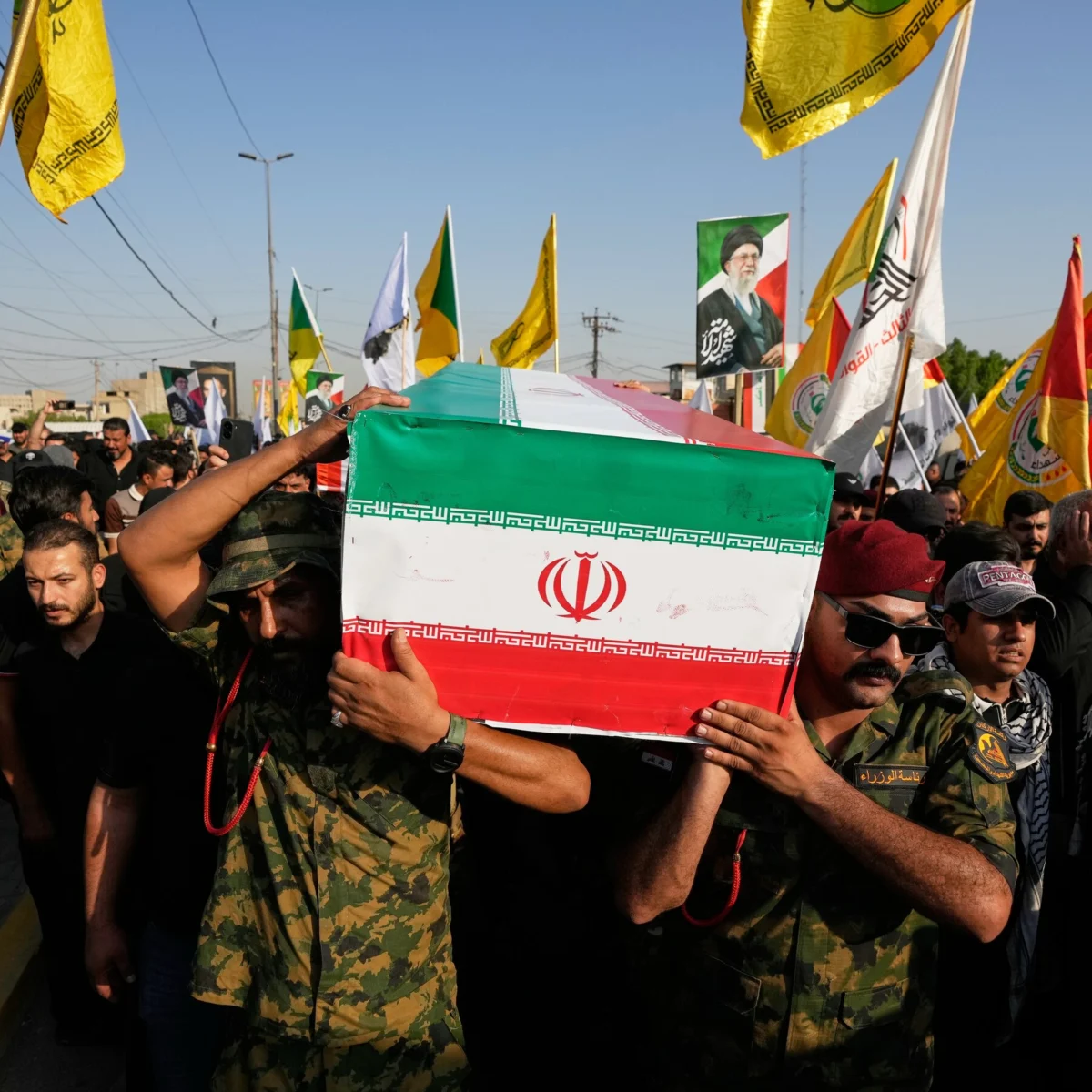
Iran secretly devised a plan to expand the scope of Middle East conflict with the assistance of its proxy groups, aiming to raise the war’s costs for the U.S. if American forces launched new attacks, according to a report.
The plan was reportedly formulated during a brief period of truce, highlighting Tehran’s strategic maneuvering amid tensions with Washington. This development underscores Iran’s reliance on regional allies to project influence and counter U.S. military pressure.
KEY FACTS
- Iran plotted a wider conflict using its proxy networks during a temporary truce.
- The plan aimed to increase war costs for the U.S. if President Trump ordered new strikes.
- Proxy groups were reportedly central to Iran’s escalation strategy.
HOW DID WE GET HERE?
Tensions between Iran and the U.S. have been high for years, fueled by disputes over nuclear programs, regional influence, and economic sanctions. Proxy militias, backed by Tehran, have long been key players in Middle Eastern conflicts, allowing Iran to exert power while maintaining plausible deniability.
The short-lived truce mentioned in the report provided a rare window for Iran to strategize. The plan’s focus on proxy forces suggests Tehran sought to avoid direct confrontation while ensuring the U.S. faced sustained resistance.
WHAT HAPPENS NEXT?
If the U.S. were to resume hostilities, Iran’s reported strategy could lead to intensified proxy warfare across the region. This might include attacks on U.S. assets, allies, or economic interests, raising the stakes for Washington’s military and diplomatic calculations.
WHAT WE KNOW — AND WHAT WE DON’T
Verified by the source:
- Iran covertly planned to escalate conflict costs for the U.S. during a truce.
- Proxy groups were part of Iran’s strategy to counter potential U.S. strikes.
Still unconfirmed:
- Specific details of Iran’s escalation plan and which proxy groups were involved.
- Whether the U.S. was aware of the plot before or after the truce ended.
WHY IT MATTERS
The report highlights the evolving dynamics of Middle East conflicts, where indirect warfare through proxies continues to define geopolitical rivalries. For the U.S., understanding Iran’s strategies is critical to assessing risks and formulating effective countermeasures.
WHAT TO WATCH
Future U.S. military decisions in the region could test Iran’s willingness to execute its reported proxy-based escalation plan. Monitoring Tehran’s proxy activities may offer early indicators of renewed conflict.