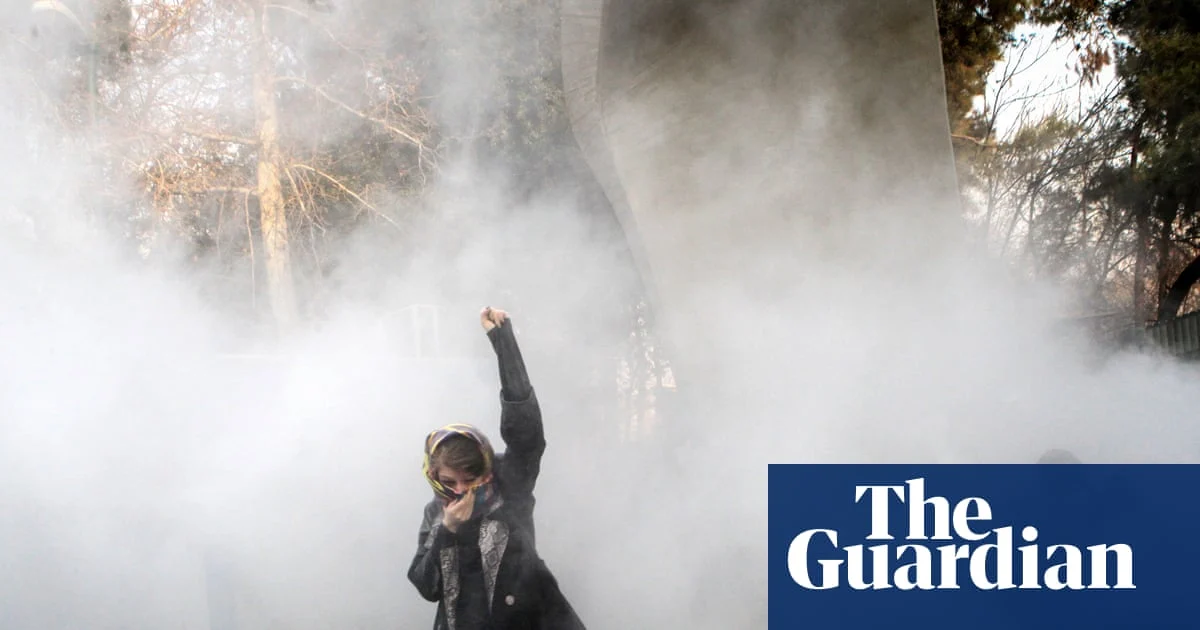
Iran is taking steps to criminalize all contact with foreign media, a move that human rights groups warn could isolate Iranian society from the global community. The proposed law, currently under discussion by lawmakers, threatens to turn ordinary civic engagement into a security crime.
This legislation comes at a time when journalists, researchers, and even citizens face increasing scrutiny for their interactions with international audiences. The law could severely restrict coverage of significant events, such as the mass anti-regime protests that occurred in January.
Key Facts
- Iran is considering a law to criminalize contact with foreign media.
- Human rights groups have criticized the move as an attempt to isolate Iranian society.
- The law could make speaking to international audiences a criminal act.
- Coverage of events like January’s protests may be restricted.
The Story
What’s at Stake?
The proposed law could have far-reaching consequences for freedom of speech and the press in Iran. By criminalizing contact with foreign media, the government aims to control the narrative and prevent dissent from reaching international audiences.
This move is seen as part of a broader crackdown on dissent, following the mass protests earlier this year. The government’s actions suggest a growing concern over the influence of international media on domestic affairs.
Who Is Affected?
Journalists, researchers, and ordinary citizens would all be impacted by this law. For journalists, it means increased risks and potential imprisonment for reporting on sensitive issues. Researchers may find it harder to collaborate internationally, while citizens could face penalties for sharing information with foreign outlets.
Human rights groups have expressed alarm, arguing that this law would further restrict Iran’s already limited freedoms and isolate its people from the global community.
What We Know — and What We Don’t
Verified by the source:
- Iran is discussing a law to criminalize contact with foreign media.
- Human rights groups have criticized the proposed law.
Still unconfirmed:
- The exact penalties for violating the proposed law.
- How the law will be enforced and monitored.
Why It Matters
This proposed law represents a significant escalation in Iran’s efforts to control information and suppress dissent. By criminalizing contact with foreign media, the government is effectively cutting off a vital channel for accountability and transparency.
What To Watch
The next steps include further discussions among lawmakers and potential implementation of the law. Observers will be watching for any pushback from human rights organizations and the international community.