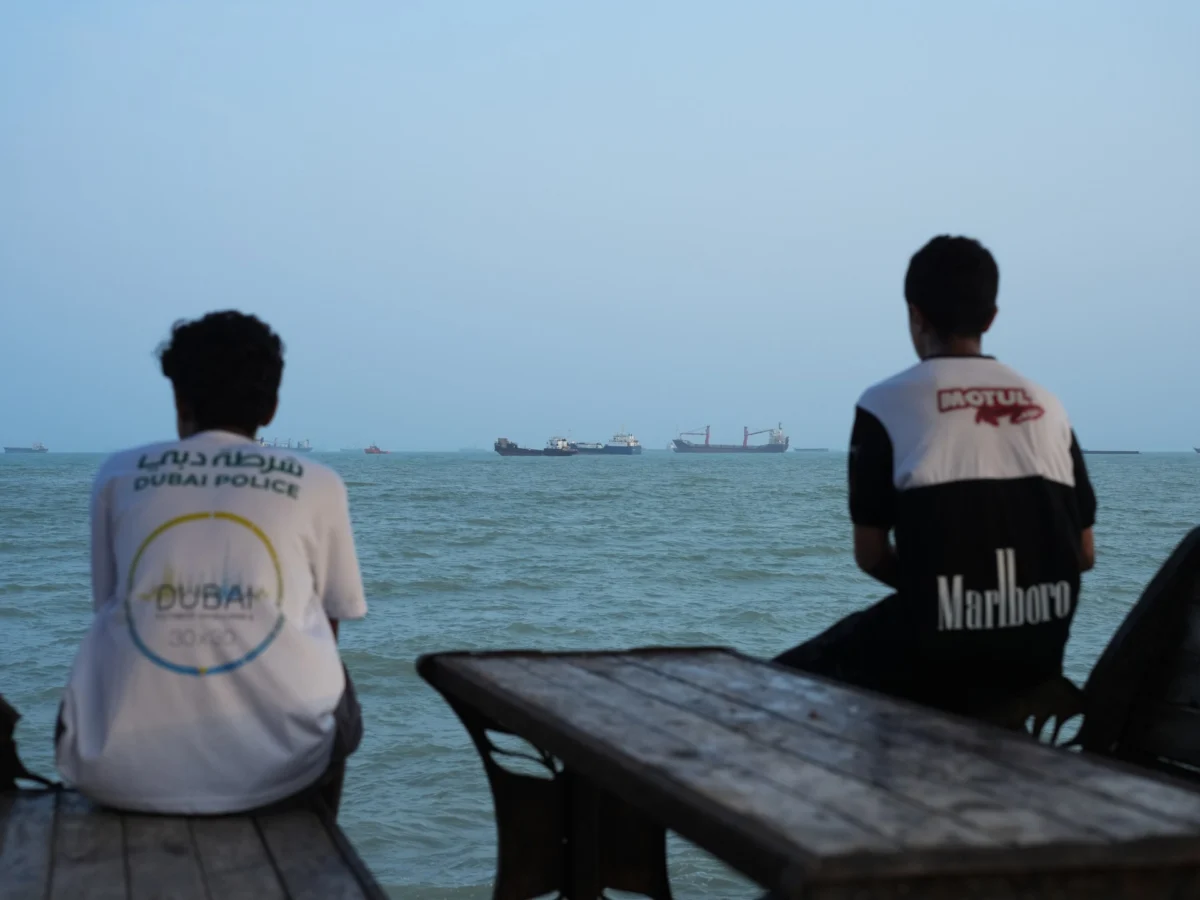
Iran has refuted former US President Donald Trump’s claim of controlling the Strait of Hormuz, stating the strategic waterway will remain closed until the US meets its demands and changes its behavior. The dispute comes amid rising global energy prices, with Iran leveraging its position in one of the world’s most critical oil chokepoints.
KEY FACTS
- Iran denies Trump’s claim of controlling the Hormuz Strait.
- Iran states the strait will stay closed until the US meets its demands.
- Iran demands the US change its ‘behavior’.
- Global energy prices are rising amid the standoff.
THE STORY
What is the Strait of Hormuz?
The Strait of Hormuz is a narrow passage between the Persian Gulf and the Gulf of Oman, through which about 20% of the world’s oil passes. Its strategic importance makes it a focal point in geopolitical tensions, particularly between Iran and Western powers. Iran has previously threatened to close the strait in response to sanctions or military threats.
How did we get here?
The latest escalation follows claims by former US President Donald Trump regarding control over the strait, which Iran has strongly denied. Iran’s stance reflects its long-standing position that it holds significant influence over the waterway and will use it as leverage in diplomatic negotiations. The US has historically sought to ensure the strait remains open to maintain global oil supply stability.
WHAT WE KNOW — AND WHAT WE DON’T
Verified by the source:
- Iran has rejected Trump’s claim of controlling the Hormuz Strait.
- Iran insists the strait will remain closed until the US meets its demands.
Still unconfirmed:
- The specific demands Iran is making of the US.
- How long the strait might remain closed.
- The full impact on global energy markets.
WHY IT MATTERS
The closure of the Strait of Hormuz could disrupt global oil supplies, leading to higher energy prices and economic instability. The strait’s strategic importance means any prolonged closure would have widespread repercussions, affecting not only regional powers but also global markets. For more on geopolitical tensions in the region, see our war and geopolitics coverage.
WHAT TO WATCH
The next steps in US-Iran negotiations will be critical in determining whether the strait reopens or remains closed. Any further escalation could exacerbate the current rise in energy prices.