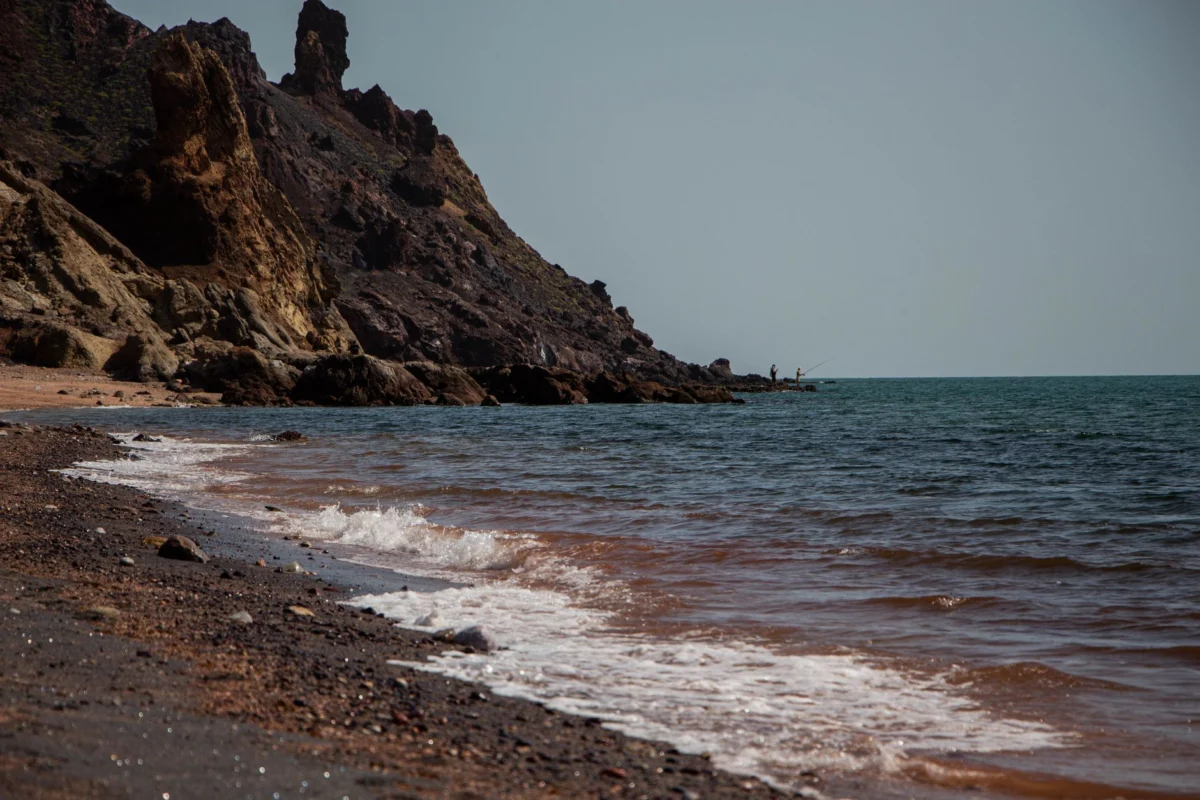
At dawn on June 17, a tanker the size of a football field slipped through the Strait of Hormuz without waiting for the customary Iranian convoy escort.
According to leaked diplomatic cables reported by Audacy, the vessel’s passage marks the first time in months that Iran has allowed free navigation through the narrow waterway while simultaneously agreeing to sell its crude on the open market without U.S. sanctions.
What the leak says
The documents, obtained from an unnamed source within the U.S. State Department, outline a provisional pact: Iran will lift the strategic chokepoint’s partial closure and, in exchange, the United States will suspend secondary sanctions that have barred Iranian oil from most Western buyers.
“Iran will reopen the Strait of Hormuz and can sell oil freely under the deal with the United States,” the leak reads.
Why does this matter?
The Hormuz Strait carries roughly 20% of the world’s daily oil shipments, equivalent to about 21 million barrels. Any disruption sends ripples through gasoline pumps, airline fuel costs, and global inflation.
For ordinary consumers, a stable Hormuz means lower odds of sudden price spikes at the pump and fewer travel disruptions. For investors, it translates to less volatility in economy and markets indices that react swiftly to Middle‑East tension.
Numbers behind the deal
- Iran’s oil exports fell to 1.2 million barrels per day in March 2026, down from 2.5 million in early 2025.
- U.S. sanctions had blocked about 85% of Iran’s potential buyers.
- The Hormuz blockade in February cost the global shipping industry an estimated $2 billion in rerouting fees.
Reopening the strait could restore up to 1 million barrels per day of Iranian crude to the market, according to analysts.
What happens next?
Both sides have set a 30‑day verification window. Iran will monitor vessel movements via its coastal radar; the United States will review compliance through its Office of Foreign Assets Control.
If any breach occurs, the agreement includes an automatic rollback clause that would re‑impose the full sanctions regime and allow Iran to re‑close the strait.
Stakeholders are watching closely. European refineries, which rely on stable Middle‑East supplies, have already begun adjusting their crude procurement strategies.
In the coming weeks, the world will see whether this clandestine deal can calm one of the planet’s most volatile flashpoints—or whether each side will blame the other for any accidental slip.
Stay tuned as the Hormuz story unfolds; the next move could reshape oil prices and geopolitical calculations for months to come.