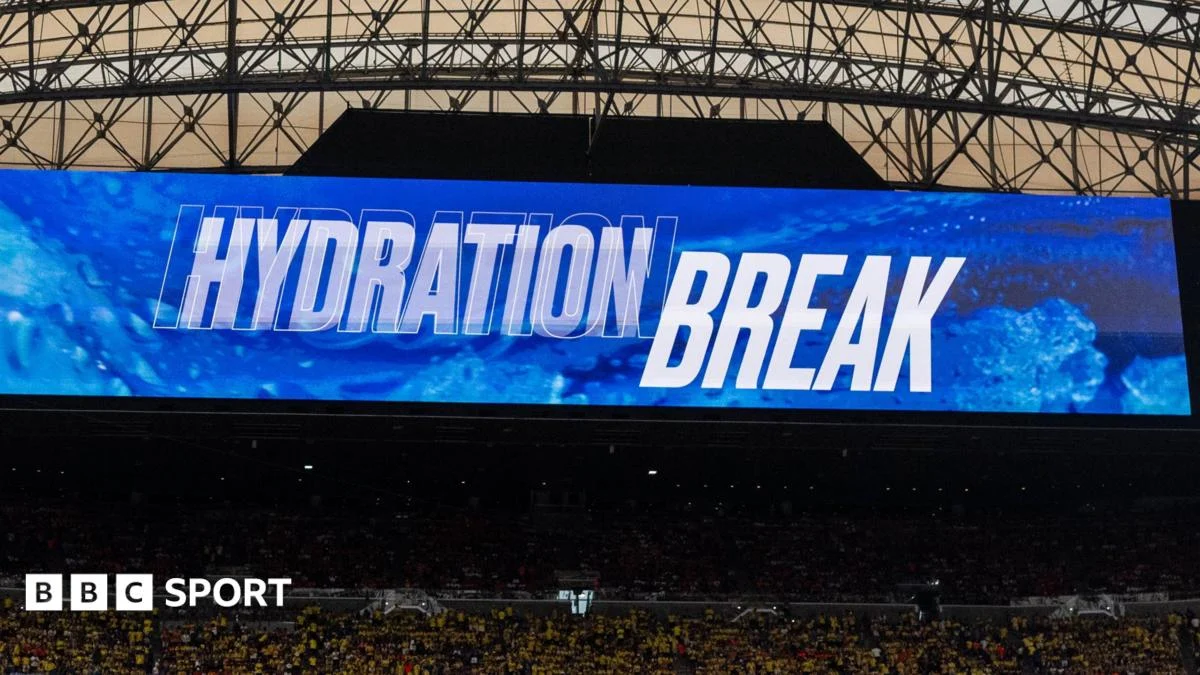
When the whistle blew for the 15‑minute water break in Qatar’s opening match, fans heard more than the clink of bottles – they heard a financial myth busting.
FIFA president Gianni Infantino told reporters that the stoppage, now mandatory in every World Cup game, is “purely a sporting matter” and generates “no additional revenue for FIFA”.
Infantino’s comment came after speculation that the break could be a new revenue stream, with broadcasters charging extra slots and sponsors eyeing prime‑time exposure.
What are the numbers behind the break?
Each World Cup match now includes a five‑minute pause at the 30‑minute mark for players to re‑hydrate. The rule, introduced after a series of heat‑related injuries, applies to all 64 games in the 2022 tournament.
The International Football Association Board (IFAB) estimates the break adds roughly 3‑4 minutes of total broadcast time per match – a fraction of the 96‑minute average slot sold to TV networks.
Why does this matter?
Fans often worry about hidden fees and commercial greed in football. By confirming that the hydration pause does not pad FIFA’s coffers, Infantino aims to keep the focus on player safety rather than profit‑driven narratives.
For the average viewer, the reassurance means fewer distractions about “money‑talk” and more appreciation for a rule that could prevent heat stroke in sweltering stadiums.
Critics, however, point out that any extra airtime can be monetised indirectly – through higher ad rates or sponsor visibility – even if FIFA does not collect a line‑item fee.
What happens next?
The hydration break is set to become a permanent feature in all senior FIFA competitions, from the Women’s World Cup to continental championships.
Infantino says the break will be reviewed every two years, but the financial stance is clear: no new revenue for FIFA, only a health safeguard for players.
Watch this space as federations explore other player‑wellness measures that could quietly reshape the sport’s business model.
For more on how sport policy intersects with economics, see our coverage in economy and markets.