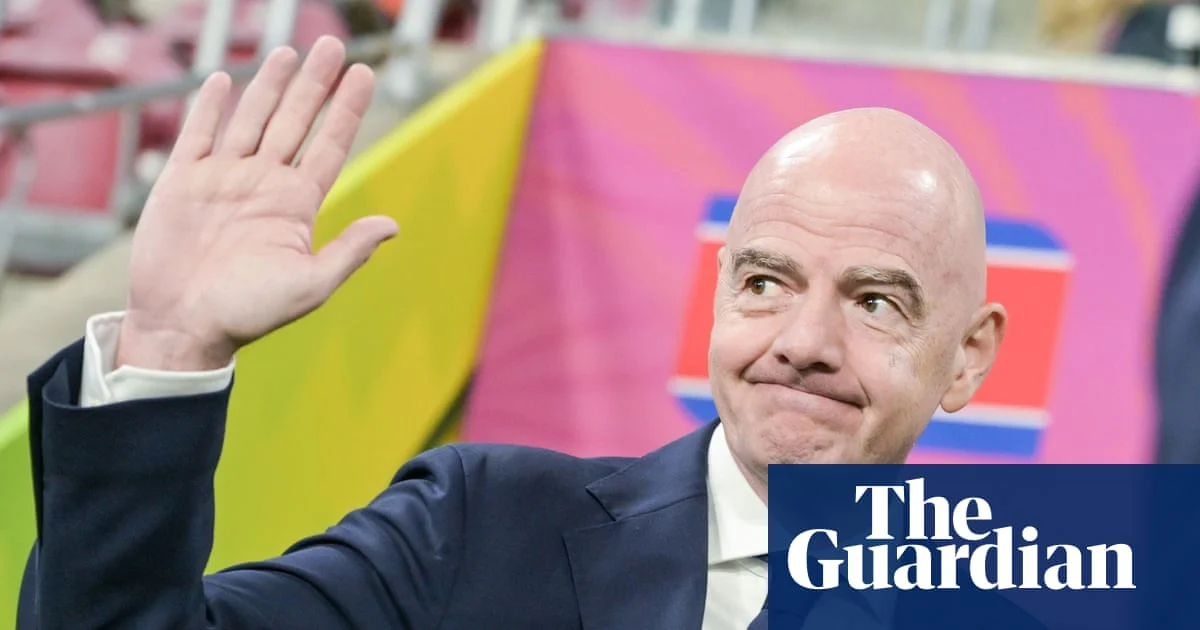
FIFA president Gianni Infantino is poised to accept demands from continental confederations for larger payouts from the organization’s $6 billion cash reserves, though he has not committed to a specific per-member figure. In a letter sent to all six confederation presidents and copied to FIFA Council members, Infantino indicated support for the greatest level of additional funding possible, signaling a shift in tone after previously defending a failed financial initiative. The move comes as UEFA and CONCACAF have pushed for more equitable distributions to national associations worldwide, increasing scrutiny over how FIFA manages its substantial financial reserves. According to Football | The Guardian, the proposal of $10 million per member association has been floated but remains uncommitted by Infantino at this stage.
Key Facts
- Gianni Infantino is ready to accept demands for larger payouts from FIFA’s $6 billion reserves.
- The FIFA president sent a letter to all six confederation presidents outlining his position.
- His letter was also copied to members of the FIFA Council.
- Infantino expressed willingness to support the greatest level of additional funding.
- He has not committed to the proposed $10 million per member association figure.
What Happens Next?
While Infantino has signaled openness to increasing financial distributions, no formal decision has been made regarding the exact amount each member association will receive. The letter reportedly mounts a fresh defence of a previously failed scheme referred to as the FFE initiative, though details remain sparse. It is unclear whether the $10 million per member benchmark will be adopted or modified during ongoing discussions among confederations. National associations across UEFA and CONCACAF have reportedly called for greater transparency and fairness in how FIFA allocates its reserves, adding momentum to calls for reform. The balance between maintaining financial stability and addressing demands for broader access to funds remains sensitive, particularly given FIFA’s vast wealth tied to global tournaments and broadcast rights. As deliberations continue, all eyes will be on whether consensus emerges around a unified payout structure or if divisions persist among regional bodies. What Infantino ultimately agrees to could reshape how FIFA supports grassroots and developmental efforts globally, depending on outcomes from these high-level negotiations.
Background on the Dispute
The current push for expanded payouts follows growing dissatisfaction within European and North American football circles, where smaller national associations argue that FIFA’s enormous reserves—bolstered largely by World Cup revenues—are not being distributed fairly. UEFA and CONCACAF have reportedly advocated for a more inclusive model that would see every affiliated member benefit directly from FIFA’s surplus. Infantino’s response appears calibrated to acknowledge these concerns without locking FIFA into rigid spending commitments. His reference to defending the FFE scheme suggests prior attempts at restructuring financial flows may have faced internal resistance or procedural hurdles. By maintaining flexibility while showing receptiveness, he positions himself to navigate competing interests within FIFA’s complex political landscape. The outcome may influence future budgetary debates and the overall governance approach taken by the global football authority.
Who Is Affected?
If implemented, increased distributions from FIFA reserves would impact over 211 member associations globally, many of which operate with limited budgets and rely heavily on external funding for infrastructure, training, and youth development programs. Smaller federations in regions like Africa, Asia, and parts of Central and North America stand to gain significantly if a standardized payout system is introduced. However, concerns have been raised internally about sustainability and precedent-setting effects of such mass disbursements. Some larger federations worry about dilution of resources or loss of strategic control over how funds are used internationally. Meanwhile, FIFA itself must weigh its obligation to promote global football growth against fiduciary responsibilities to preserve long-term financial health. Ultimately, any agreement reached will determine how effectively FIFA can fulfill its mission while managing expectations from diverse stakeholders across continents.
What We Know — and What We Don’t
Verified by the source:
- Infantino sent a letter to confederation presidents and FIFA Council members.
- He expressed support for maximizing additional funding distributions.
- FIFA currently holds approximately $6 billion in reserves.
- There has been pressure from UEFA and CONCACAF for larger payouts.
Still unconfirmed:
- The precise mechanics of how additional funding would be allocated.
- Whether the $10 million-per-member figure will be accepted or adjusted.
- Details surrounding the previously failed FFE scheme referenced in the letter.
- Any timeline for resolution or implementation of new funding models.
Why It Matters
This potential shift in FIFA’s financial strategy reflects broader tensions around equity and accountability in international sports finance. With billions at stake, decisions made here affect thousands of players, coaches, and administrators beyond the spotlight of elite competition, shaping opportunities for decades to come.
What To Watch
Future updates depend on further communication between FIFA leadership and member confederations. Clarity on payout structures and approval processes may emerge during upcoming council meetings.