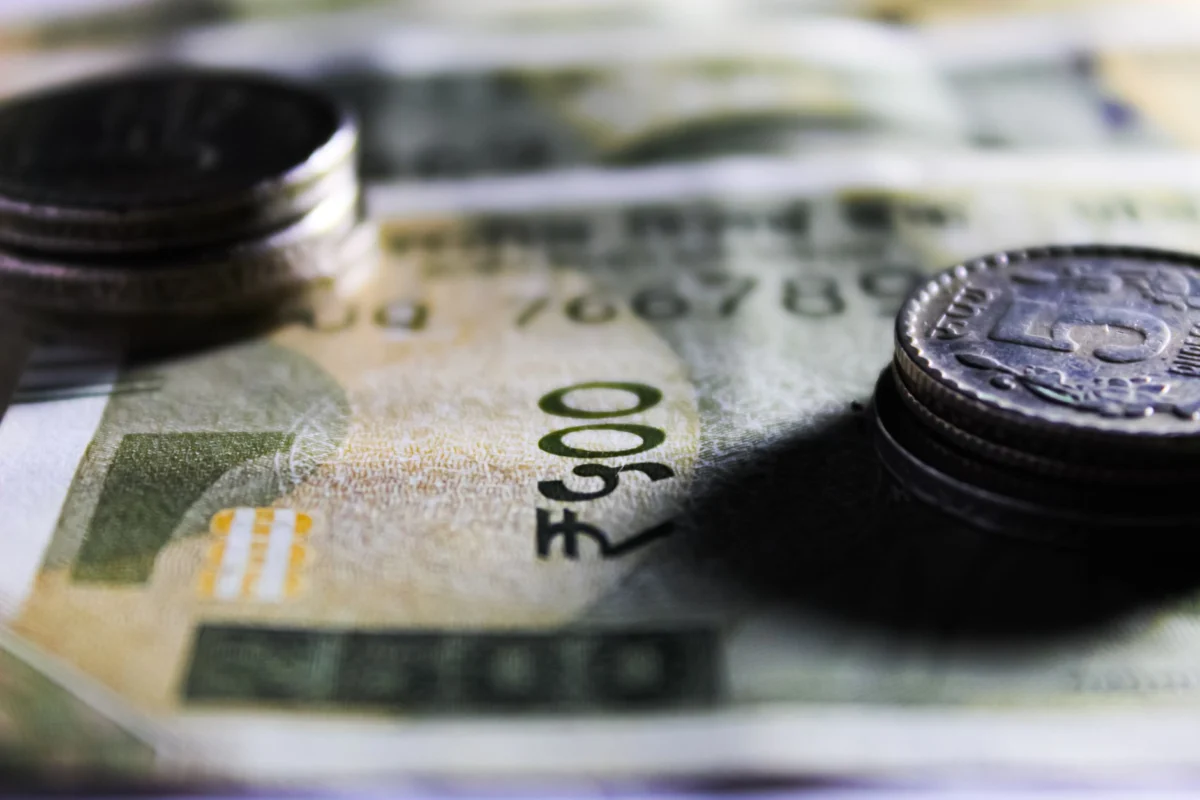
The Indian rupee could strengthen to 91.50 per US dollar as foreign portfolio investments flow into domestic equities, according to the treasury head of HDFC Bank. The forecast signals potential currency appreciation if current capital inflows sustain momentum.
Reuters reports the projection from HDFC Bank’s treasury leadership, linking the rupee’s potential gain to continued equity market inflows from overseas investors. The 91.50 level would represent a notable strengthening from recent trading ranges.
KEY FACTS
- The Indian rupee could rise to 91.50 per US dollar
- Forecast driven by equity inflows from foreign investors
- Prediction comes from HDFC Bank’s treasury head
- Report published by Reuters
THE STORY
What drives the rupee forecast?
Currency analysts often tie rupee movements to foreign portfolio investment flows, particularly in equities. When overseas investors buy Indian stocks, they sell dollars and purchase rupees, creating upward pressure on the local currency. HDFC Bank’s treasury head appears to base the 91.50 target on an assessment that such inflows will continue or accelerate.
India’s equity markets have attracted significant foreign capital in recent periods, supported by relatively strong economic growth, corporate earnings resilience, and index inclusion milestones. These structural factors underpin the inflow thesis that supports a stronger rupee outlook.
How did we get here?
The rupee has traded in a wide band against the dollar over the past year, influenced by global monetary policy divergence, oil price volatility, and shifting risk appetite. The Reserve Bank of India has intermittently intervened to manage volatility, building substantial foreign exchange reserves that provide a buffer against sudden capital flow reversals.
HDFC Bank, as India’s largest private sector lender by assets, maintains a significant treasury operation that monitors and participates in currency markets. Its leadership’s views carry weight among market participants tracking rupee trajectory.
Who is affected by rupee movements?
A stronger rupee benefits importers, particularly oil refiners and companies with dollar-denominated debt, by reducing local-currency costs. It also helps contain imported inflation, giving the central bank more flexibility on interest rates. Conversely, exporters — especially in information technology, pharmaceuticals, and textiles — face reduced rupee revenue for each dollar earned, potentially squeezing margins.
Foreign investors in Indian equities gain from rupee appreciation when repatriating returns, creating a positive feedback loop that can attract further inflows.
WHAT WE KNOW — AND WHAT WE DON’T
Verified by the source:
- HDFC Bank’s treasury head forecasts the rupee could reach 91.50 per dollar
- The forecast cites equity inflows as the primary driver
- Reuters reported the projection
Still unconfirmed:
- The name of HDFC Bank’s treasury head making the forecast
- Current rupee level at time of prediction
- Timeframe for reaching the 91.50 target
- Specific volume or pace of equity inflows expected
- Whether other major banks or forecasters share this view
- Any assumptions about RBI policy response or global conditions
WHY IT MATTERS
The rupee’s level affects virtually every Indian household and business through import costs, inflation, investment returns, and export competitiveness. A move toward 91.50 would mark a significant shift from recent depreciation trends and could alter monetary policy calculations, corporate earnings outlooks, and foreign investment strategies for one of the world’s largest emerging markets.
WHAT TO WATCH
Market participants will monitor foreign portfolio investment data, RBI intervention signals, and whether the rupee sustains momentum toward the forecast level in coming trading sessions.