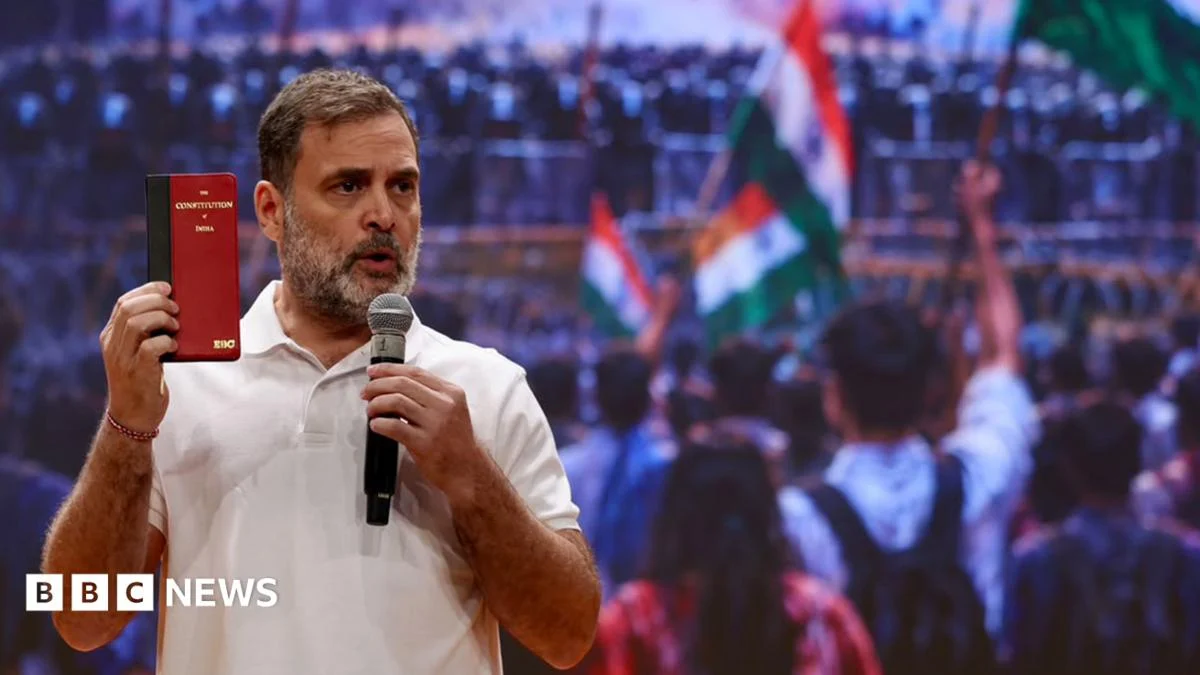
Indian opposition leaders plan to march to the Supreme Court of India to demand the resignation of the chief election commissioner, escalating a political standoff following a turbulent weekend in the capital.
The march comes after a chaotic weekend in Delhi during which thousands of protesters were detained by police, according to BBC News. The detentions occurred amid growing unrest over allegations tied to the conduct of the ongoing general elections.
Key Facts
- Indian opposition leaders will march to the Supreme Court.
- They are demanding the resignation of the chief election commissioner.
- The march follows a chaotic weekend in Delhi.
- Thousands of protesters were detained by police.
What happens next?
The planned march to the Supreme Court represents a significant escalation in the ongoing tensions between the ruling party and the opposition. The Supreme Court of India serves as the highest judicial authority in the country and is often approached by political actors seeking redress or intervention in matters deemed to affect democratic processes.
Demanding the resignation of the chief election commissioner is a rare and serious step. The role of the election commissioner is meant to be neutral and independent, overseeing the conduct of free and fair elections. Calls for resignation typically arise when there are widespread concerns about impartiality or procedural fairness in the electoral process.
A chaotic weekend in Delhi, during which thousands of protesters were detained by police, underscores the intensity of public frustration. Mass detentions during protest movements are not uncommon in Indian politics, but they tend to deepen divisions and draw criticism from both domestic and international observers.
Who is affected?
The political crisis surrounding the chief election commissioner affects multiple stakeholders across India. Primarily, the opposition parties leading the charge are directly challenging the credibility of a key constitutional body, raising questions about the impartiality of the electoral process.
For ordinary citizens, particularly voters participating in the ongoing general elections, the dispute introduces uncertainty about the fairness of the vote-counting mechanism. Public trust in the election commission is foundational to democratic legitimacy, and any perceived erosion of that trust can undermine confidence in the outcome.
Security forces, including the police in Delhi, also find themselves at the center of scrutiny. The mass detention of thousands of protesters has drawn attention to law enforcement practices during political demonstrations, fueling debates about civil liberties and state response to dissent.
How did we get here?
Tensions leading up to the planned Supreme Court march appear to have built over concerns regarding the impartiality of the election commission and its handling of key aspects of the electoral process. Allegations of bias or procedural irregularities can quickly inflame political passions, especially during a general election cycle when stakes are high for all parties involved.
The chaotic weekend in Delhi, marked by large-scale protests and subsequent police action, likely served as a catalyst for the opposition’s decision to escalate their demands through legal channels. Protests and counter-protests are common during sensitive political periods, and the use of detention powers by law enforcement is often controversial.
Despite these developments, the core structure of India’s democratic institutions remains intact, though the current episode highlights the fragility of public confidence during moments of political tension.
What We Know — and What We Don’t
Verified by the source:
- Indian opposition leaders intend to march to the Supreme Court.
- Their stated demand is the resignation of the chief election commissioner.
- A protest in Delhi resulted in thousands of detentions over the weekend.
Still unconfirmed:
- The specific reasons behind the demand for the election chief’s resignation.
- The exact number of people detained during the Delhi protests.
- Whether other institutions have responded to the situation.
- The timeline and expected outcome of the proposed court filing.
Why it matters
This development is significant because it touches on the integrity of India’s electoral process, which is essential to maintaining democratic credibility in the world’s largest democracy. When major political parties question the impartiality of election oversight bodies, it can lead to broader concerns about transparency and fairness in governance.
What to watch
Attention will now shift to whether the Supreme Court accepts any petitions filed by the opposition and how it responds to the renewed push for institutional accountability.