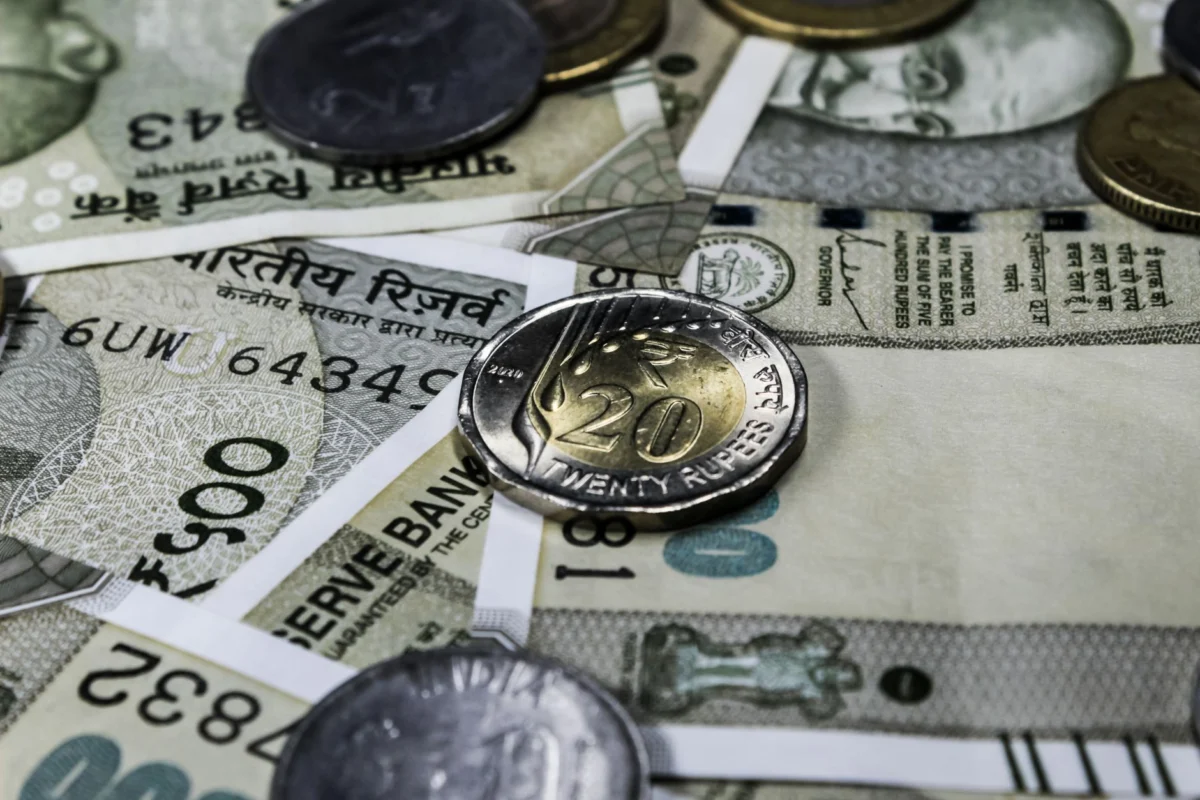
The Reserve Bank of India has allowed the rupee to appreciate in a move designed to break one-way bets on depreciation, according to a Reuters report. The central bank’s action signals a shift in its approach to managing currency volatility.
By permitting the rupee rise, the monetary authority aims to introduce two-way risk into a market that had heavily positioned for continued decline. The intervention reflects standard central bank practice of preventing excessive directional positioning that can amplify swings.
Key Facts
- Indian central bank lets rupee rise to break one-way bets on depreciation
- Report sourced from Reuters via Google News
- Action targets market positions betting solely on currency decline
- Move introduces two-way risk into foreign exchange trading
- Central bank intervention aims to reduce excessive volatility
How Central Banks Manage Currency Expectations
Central banks routinely intervene in foreign exchange markets to influence currency trajectories. The Reserve Bank of India, like its global peers, maintains a toolkit that includes spot market operations, forward contracts, and verbal guidance. Allowing a currency to strengthen after a period of managed depreciation serves a specific purpose: it forces traders who have bet uniformly on weakness to reassess positions, reducing the risk of a disorderly unwind.
One-way bets accumulate when market participants believe a central bank will tolerate or engineer a trend. When that consensus becomes extreme, a sudden reversal can trigger cascading losses and liquidity gaps. By permitting the rupee rise, the RBI reminds participants that depreciation is not guaranteed, thereby restoring a more balanced risk profile.
What Happens When One-Way Bets Dominate?
When traders overwhelmingly position for a currency’s decline, the market becomes fragile. A minor policy shift or external shock can prompt a rapid cover of short positions, driving a sharp snapback that overshoots fundamentals. The RBI’s decision to allow appreciation now, rather than later, may reflect a judgment that preemptive action is less costly than managing a disorderly correction.
Historical episodes in emerging markets show that extended one-way positioning often precedes violent reversals. The Asian financial crisis of 1997-98 and the taper tantrum of 2013 both featured currencies that had been pressed in one direction until a catalyst triggered chaotic unwinds. Central banks learned that occasional two-way movement preserves market health.
What We Know — and What We Don’t
Verified by the source:
- Indian central bank permitted rupee appreciation
- Stated purpose was breaking one-way depreciation bets
- Report published by Reuters within the last 12 hours
Still unconfirmed:
- Exact timing and magnitude of the rupee’s move
- Specific instruments or channels used by the RBI
- Whether the action was coordinated with government fiscal policy
- Market reaction and trading volumes during the move
- Duration the central bank intends to allow two-way movement
- Comments from RBI officials or market participants
Why It Matters
Currency stability affects import costs, inflation, foreign investment flows, and corporate balance sheets. A central bank that credibly maintains two-way flexibility reduces the risk of sudden shocks that can spill into broader financial markets. For businesses and households, predictable exchange rate behavior lowers hedging costs and planning uncertainty.
What to Watch
Market participants will monitor whether the RBI sustains two-way flexibility or reverts to managing a depreciation bias. The rupee’s trajectory in coming sessions will signal the central bank’s tolerance for appreciation.