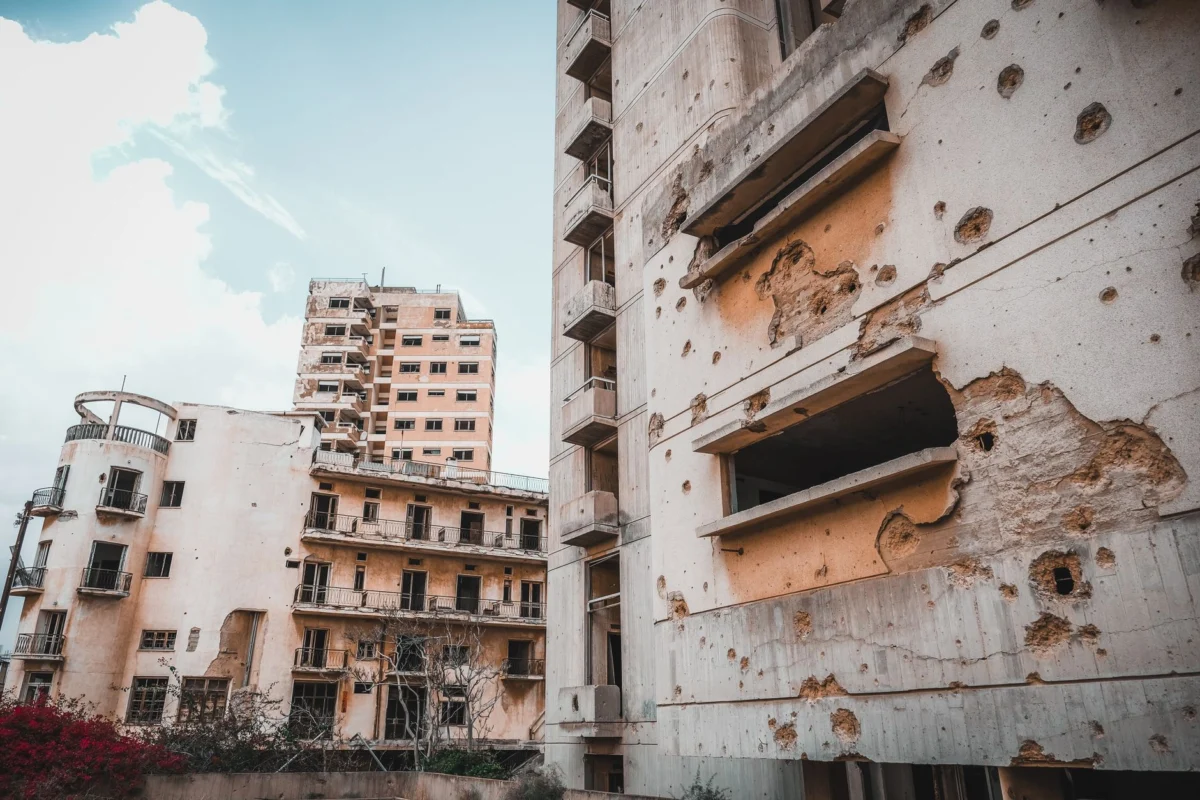
The IMF and World Bank meetings in Bangkok will focus on the Middle East war and high debt levels, according to Reuters reporting. These gatherings typically bring together global financial officials to discuss economic challenges affecting member countries.
High debt levels have become a growing concern for many nations, particularly following pandemic spending and other economic shocks. Meanwhile, the war in the Middle East continues to affect regional and global economic stability, adding urgency to discussions at the meetings.
Key Facts
- IMF and World Bank meetings take place in Bangkok.
- Middle East war expected to be a major topic.
- High debt levels cited as a key concern.
- Reuters reported the agenda based on current events.
- Meetings aim to address global economic challenges.
What’s on the agenda?
The upcoming IMF and World Bank meetings in Bangkok are set against a backdrop of significant global economic uncertainty. The Middle East war has disrupted trade routes, increased energy price volatility, and strained humanitarian resources across affected nations. Simultaneously, high debt levels in both developing and developed countries have raised concerns about fiscal sustainability. Countries such as Sri Lanka, Zambia, and others have already faced debt distress, leading to calls for restructuring mechanisms at international financial institutions.
These meetings often serve as forums where finance ministers and central bank governors exchange policy ideas, coordinate responses to shared challenges, and assess risks to global growth. With inflation remaining elevated in some regions and interest rates still adjusting, discussions around debt management, climate financing, and conflict-driven economic fallout are likely to dominate the official agenda.
Who is affected?
Member states of the IMF and World Bank are directly involved in shaping policies discussed during these meetings. Low-income countries struggling with debt repayment will be watching closely for potential relief programs or new lending frameworks. Regional economies impacted by the Middle East war may also seek support for reconstruction and stabilization efforts.
Besides government delegates, private sector observers, civil society groups, and academic experts often participate in side events hosted alongside the main sessions. Their input helps inform decisions made by the boards of governors and executive directors who oversee operations at both institutions.
What We Know — and What We Don’t
Verified by the source:
- IMF and World Bank meetings are scheduled in Bangkok.
- Middle East war is expected to be discussed.
- High debt levels are identified as a pressing issue.
- Agenda details were reported by Reuters within the last 12 hours.
Still unconfirmed:
- Exact dates of the meetings have not been specified.
- No official list of participating countries has been provided.
- Specific proposals or outcomes from the meetings remain unknown.
- There are no direct quotes or named officials cited in the source.
Why it matters
The decisions made at these multilateral meetings can influence borrowing costs, currency stability, and access to financial assistance for dozens of countries. As global tensions rise and fiscal pressures mount, coordinated action from institutions like the IMF and World Bank becomes increasingly vital for maintaining worldwide economic resilience.
What to watch
Future updates from the IMF and World Bank may shed light on concrete policy measures agreed upon during the Bangkok meetings. Analysts anticipate announcements related to emergency funding, debt restructuring initiatives, and humanitarian aid packages tied to ongoing conflicts.