Lede
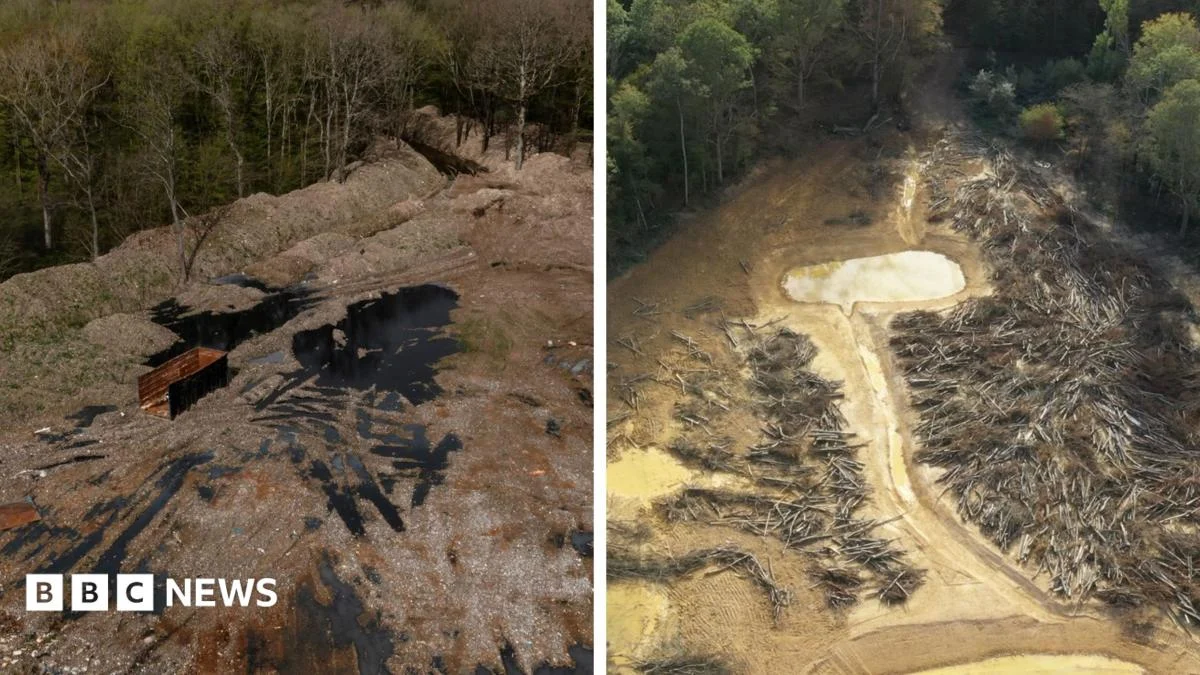
A £15 million illegal waste cleanup operation removed 39,500 tonnes of rubbish from an ancient Kent woodland previously used as an illegal dumping ground.
Concerns remain over the site’s long-term environmental impact despite the scale of waste removal. The cleanup targeted a designated illegal waste supersite located within protected ancient woodland.
Key Facts
- £15 million spent on clearing illegal waste from ancient woodland
- 39,500 tonnes of rubbish were removed from the site
- The site was described as an illegal waste supersite
- The location is an ancient woodland in Kent
- Concerns remain about the woodland’s future after the cleanup
The Story
What happens next?
While the physical removal of waste has concluded, questions persist regarding restoration and monitoring of the affected ancient woodland ecosystem. Authorities have not disclosed detailed timelines for follow-up environmental assessments or habitat recovery measures. Local environmental groups have previously raised alarms about contamination risks from prolonged illegal dumping.
The term “illegal waste supersite” typically refers to large-scale unlicensed disposal operations that bypass regulated waste management channels. These sites often contain mixed waste streams including construction debris, household refuse, and sometimes hazardous materials. Cleanup efforts of this magnitude usually require specialized contractors, waste sorting facilities, and significant logistical coordination.
Ancient woodlands are ecologically valuable habitats that support rare species and store substantial amounts of carbon. Disturbance from heavy machinery and waste accumulation can damage root systems, alter soil chemistry, and disrupt wildlife corridors. Long-term ecological consequences may include reduced biodiversity and changed hydrological patterns.
Who is affected?
The primary impact falls on the Kent woodland ecosystem, though local residents and visitors may also notice changes in landscape and accessibility. Ancient woodland designation means the area receives some statutory protection under UK environmental law, yet illegal dumping still occurred there undetected for an extended period.
Local councils and environmental regulators are responsible for identifying and remediating such sites, often at considerable public expense. The £15 million cost reflects both the volume of material removed and the complexity of operating within a sensitive ecological zone.
Broader public interest lies in understanding how such large-scale illegal activity persisted and what safeguards will prevent future incidents. Waste crime is estimated to cost the UK economy hundreds of millions annually through tax evasion, environmental harm, and lost legitimate business revenue.
What We Know — and What We Don’t
Verified by the source:
- £15 million was spent on clearing the site
- 39,500 tonnes of waste were removed
- The site was classified as an illegal waste supersite
- It was located in ancient woodland in Kent
- Concerns about the woodland’s future remain post-cleanup
Still unconfirmed:
- Exact location or name of the woodland
- Timeline or duration of the dumping activity
- Identity of the responsible parties
- Details on ongoing ecological monitoring plans
- Source of funding for the cleanup operation
- Regulatory actions taken before or after the discovery
Why It Matters
This case highlights the intersection of organized environmental crime and ecological stewardship. Ancient woodlands are irreplaceable resources that take centuries to regenerate, making their protection a national priority. Public funds used for cleanup could otherwise support prevention initiatives or conservation programs elsewhere. Understanding how these sites emerge and are addressed helps inform policy responses to waste crime across the UK.
What To Watch
Future reporting should clarify whether any prosecutions have been initiated in connection with the illegal dumping. Environmental advocates will likely monitor whether promised restoration works proceed as scheduled and whether additional contaminated areas are discovered nearby.
Meta description: £15 million spent cleaning 39,500 tonnes of illegal waste from a Kent ancient woodland supersite, with concerns over long-term environmental impact remaining.