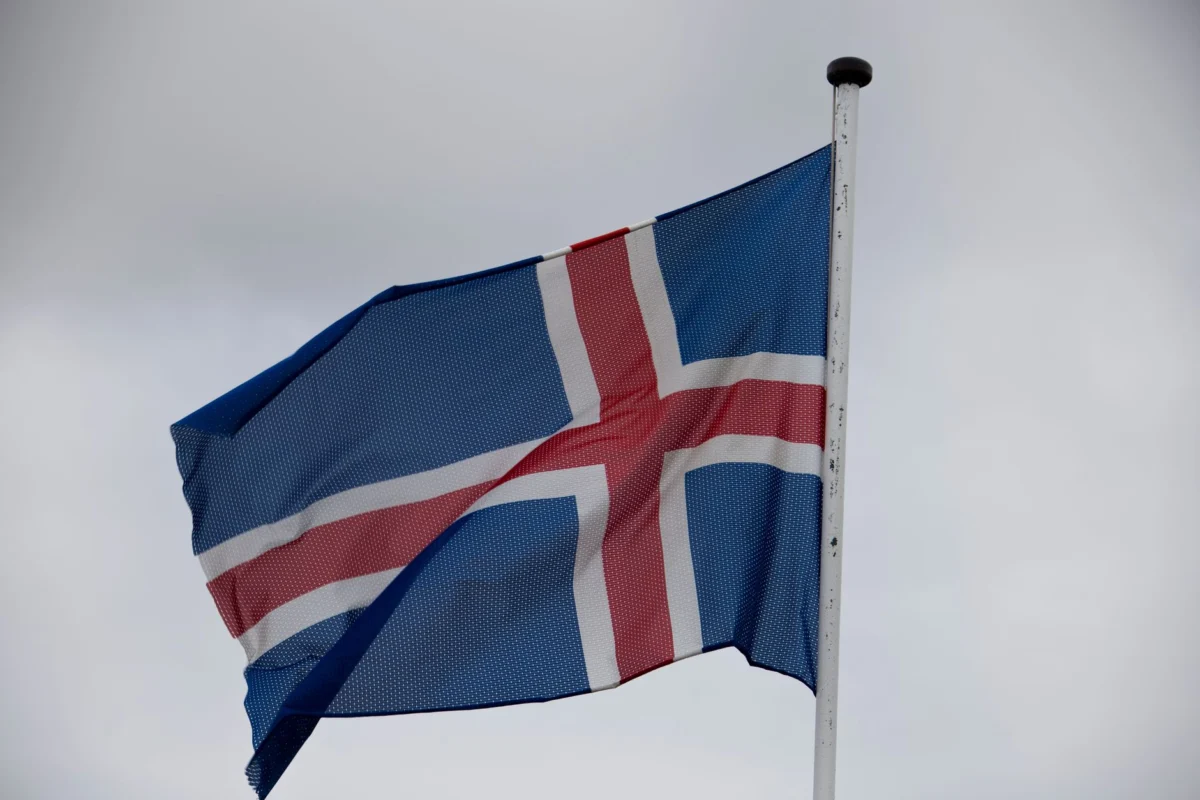
Iceland has rejected restarting negotiations to join the European Union, with opponents arguing that membership would threaten national control over key sectors like fishing and farming. While geopolitical tensions, including concerns about U.S. leadership under Donald Trump, have spurred some nations to seek closer ties with the E.U., Iceland’s domestic priorities took precedence.
Opposition to E.U. membership has centered on fears of losing sovereignty over critical industries. Fishing, a cornerstone of Iceland’s economy, and farming were cited as top concerns by those against reopening accession talks.
KEY FACTS
- Iceland opposes restarting E.U. membership talks, according to World.
- Opponents say joining would threaten national control over fishing and farming.
- Local concerns outweighed geopolitical fears, including potential repercussions from U.S. leadership under Trump.
Why does Iceland prioritize local control?
Iceland’s economy relies heavily on its fisheries, which account for a significant portion of its exports. Membership in the E.U. would require compliance with the bloc’s Common Fisheries Policy, potentially limiting Iceland’s ability to manage its own waters. Similarly, agricultural subsidies and regulations under the E.U.’s Common Agricultural Policy could disrupt Iceland’s farming sector. These concerns have long fueled opposition to E.U. integration, even as other nations seek stronger alliances amid global instability.
What happens to Iceland’s geopolitical stance?
Despite skepticism toward the E.U., Iceland remains part of the European Economic Area (EEA), which grants access to the single market without full membership obligations. Some supporters of closer ties argue that E.U. membership could provide stability amid shifting U.S. foreign policy under a potential second Trump administration. However, as of now, local economic interests have prevailed over broader geopolitical considerations, leaving accession talks off the table.
WHAT WE KNOW — AND WHAT WE DON’T
Verified by the source:
- Iceland opposes resuming E.U. membership negotiations due to concerns over fishing and farming.
- Opponents argue membership would undermine national sovereignty in key economic sectors.
Still unconfirmed:
- Whether Iceland will face economic or diplomatic repercussions for this stance.
- If political pressure could reignite talks in the future amid changing global dynamics.
WHY IT MATTERS
Iceland’s rejection of E.U. membership talks highlights the enduring tension between national sovereignty and collective security. While some European nations strengthen alliances, Iceland’s decision underscores how localized economic interests can outweigh broader geopolitical concerns, even in an increasingly unpredictable world.
WHAT TO WATCH
If global instability intensifies, pressure may grow for Iceland to reconsider its stance. However, unless domestic attitudes shift, talks are unlikely to resume soon. For more on geopolitical shifts, see our war and geopolitics archive.