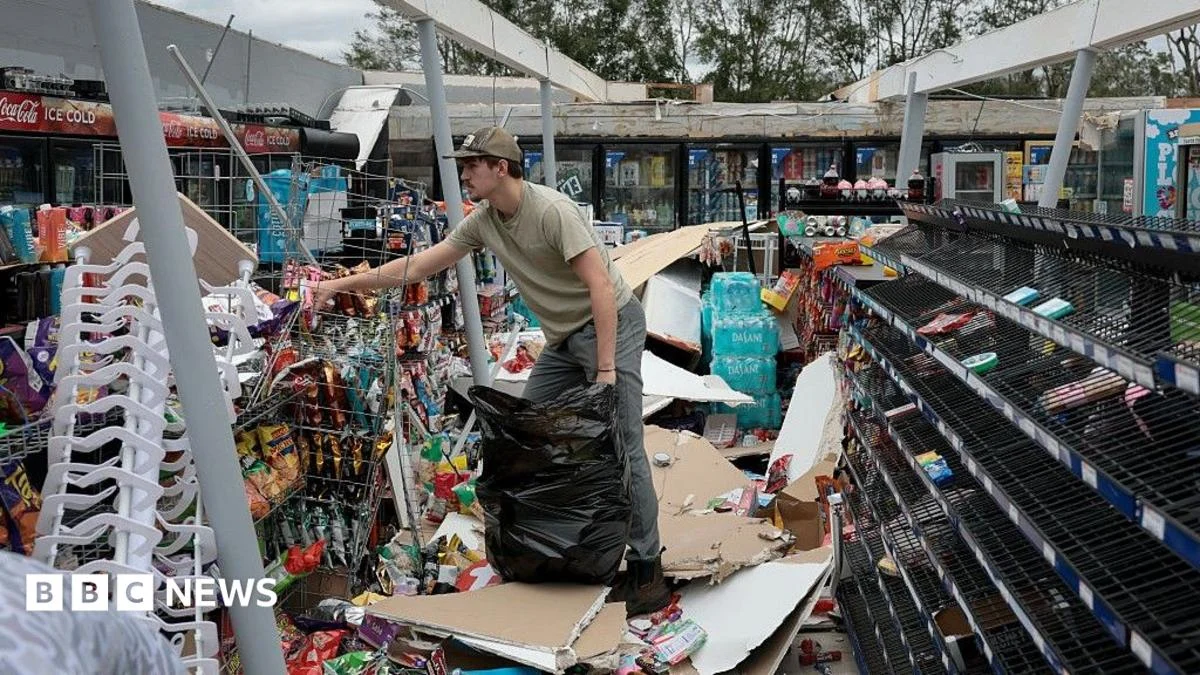
Hurricane Isaias caused significant damage across parts of the United States, resulting in at least four deaths and widespread power outages affecting thousands of residents. The storm made landfall in Florida late on Friday before being reclassified as a post-tropical cyclone.
The impacts of Hurricane Isaias extended beyond Florida, with reports of flooding and structural damage emerging from multiple states along the East Coast. Emergency management officials responded to calls for assistance while utility companies worked to restore power to affected communities.
Key Facts
- Four people died after Hurricane Isaias affected the US.
- Thousands remain without power following the storm.
- Hurricane Isaias made landfall in Florida late Friday.
- The system was later downgraded to a post-tropical cyclone.
The Story
How did we get here?
Hurricane Isaias began as a tropical system in the Atlantic and steadily intensified as it moved westward toward the Caribbean and southeastern United States. By late Friday, the storm had grown strong enough to be classified as a hurricane, prompting evacuation orders and emergency preparations in vulnerable coastal areas.
Upon making landfall in Florida, Hurricane Isaias brought with it heavy rainfall, strong winds, and storm surge flooding. These conditions disrupted transportation networks, damaged homes and businesses, and left critical infrastructure vulnerable to failure. The immediate aftermath saw rescue teams deployed to assist trapped residents and assess structural integrity across affected regions.
The death toll rose as cleanup efforts commenced, with fatalities reported due to various causes linked to the storm’s passage. Simultaneously, power restoration became a logistical challenge for utilities accustomed to dealing with large-scale outages during hurricane season.
What happens next?
In the wake of Hurricane Isaias, recovery operations are underway across impacted states. Federal, state, and local agencies have mobilized resources to support sheltering, debris removal, and infrastructure repair initiatives. Damage assessments will inform decisions regarding disaster declarations and long-term aid allocation.
Thousands of households continue to endure life without electricity, relying on generators or seeking temporary accommodations. Utility crews face challenging terrain and hazardous conditions as they work around fallen trees and downed lines to reconnect customers safely.
Meteorologists are tracking residual moisture associated with the remnants of Hurricane Isaias, monitoring potential flooding risks in regions still grappling with saturated ground. Meanwhile, officials emphasize preparedness for future storms, given the active nature of the ongoing Atlantic hurricane season.
What We Know — and What We Don’t
Verified by the source:
- Hurricane Isaias made landfall in Florida late Friday.
- At least four deaths were confirmed following the storm.
- Thousands of people lost access to electrical power.
- The system was downgraded to a post-tropical cyclone.
Still unconfirmed:
- Exact timing and specific locations of the reported fatalities.
- Total number of structures damaged or destroyed.
- Full extent of flooding and wind-related damages by state.
- No official statements from named government leaders included.
Why It Matters
Hurricanes like Isaias highlight the growing vulnerability of U.S. infrastructure to extreme weather events intensified by climate change. Communities must continuously adapt their emergency response plans and invest in resilient systems capable of withstanding increasingly powerful storms.
What To Watch
Authorities have yet to release detailed damage reports or confirm any additional casualties beyond initial estimates. Updates on federal disaster aid eligibility and power restoration progress are expected in the coming days.