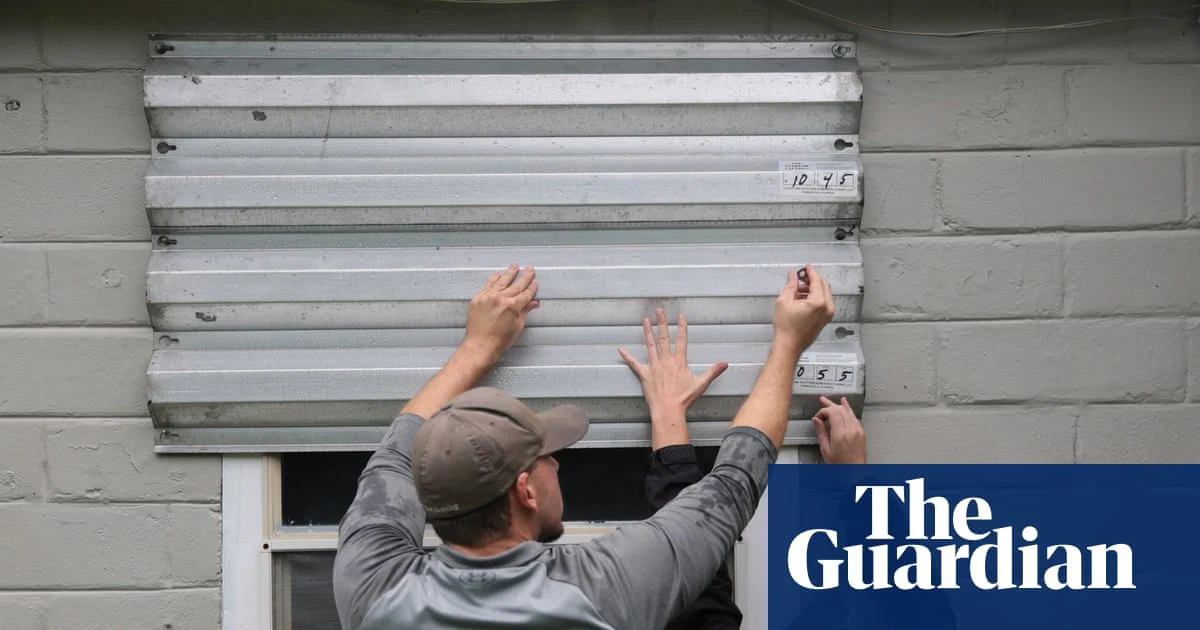
Hurricane Isaias made landfall on the U.S. Gulf Coast late Friday night as a Category 2 storm, bringing dangerous conditions to millions of residents.
The storm is the first hurricane of a late-running 2026 Atlantic season and is expected to unleash destructive winds, heavy rainfall, flooding, and a hazardous storm surge across portions of Florida, Georgia, and Alabama through the weekend.
Officials across the region scrambled to prepare, issuing evacuation orders and activating emergency protocols as the full scope of the storm’s impact became clear.
Key Facts
- Hurricane Isaias made landfall on the U.S. Gulf coast on Friday night.
- The storm was classified as a Category 2 hurricane with sustained winds of 105 mph.
- Millions of people were under evacuation orders across Florida, Georgia, and Alabama.
- All three affected states declared states of emergency.
- The hurricane is the first of the 2026 Atlantic season, which has seen a delayed start.
What Is a Category 2 Hurricane?
A Category 2 hurricane on the Saffir-Simpson scale brings sustained winds between 96 and 110 mph, capable of causing significant roof damage, uprooting trees, and leaving large areas without power. Hurricane Isaias reached the lower end of that range with winds of 105 mph, placing it firmly in the Category 2 classification at the time of landfall.
Forecasters warned that even brief periods of such wind speeds can cause widespread structural damage, especially in mobile homes and older buildings. In addition to wind, the storm posed risks from inland flooding, coastal storm surge, and flash floods, all of which could extend far beyond the immediate coastline.
The delayed start to the 2026 Atlantic hurricane season adds urgency to the situation, as communities may be less prepared for an active storm after a quiet beginning. Hurricane Isaias represents a sharp shift, reminding residents that preparedness must remain high regardless of seasonal trends.
Who Is Affected by the Evacuation Orders?
Millions of residents across Florida, Georgia, and Alabama found themselves under mandatory or voluntary evacuation orders as Hurricane Isaias approached. State governors declared states of emergency in each jurisdiction to streamline disaster response and resource deployment.
Evacuation zones typically include low-lying coastal areas, mobile home parks, and neighborhoods prone to flooding. Residents in these zones were advised to move inland or to designated shelters before the storm’s arrival.
Emergency management officials urged the public to heed evacuation instructions and avoid travel once conditions deteriorated. The timing of the storm over a weekend complicated response efforts, as many residents rely on weekday work schedules to facilitate evacuations and secure property.
How Did We Get Here?
Hurricane Isaias developed from a tropical wave in the Atlantic and strengthened rapidly as it moved toward the Gulf Coast. The storm’s intensification caught some forecasters off guard, leading to quick escalations in warning levels and evacuation timelines.
The delayed start of the 2026 Atlantic hurricane season meant that seasonal forecasting models had not accounted for an early-strength system like Isaias, increasing uncertainty in long-range predictions. However, satellite monitoring and reconnaissance flights enabled real-time tracking and updated forecasts as the storm neared landfall.
Community readiness measures, including emergency alerts and mass evacuation plans, were activated in the hours before landfall. These efforts aim to reduce loss of life and property damage, though the effectiveness of those measures will only become clear in the days following the storm.
What We Know — and What We Don’t
Verified by the source:
<n
- Hurricane Isaias made landfall on the U.S. Gulf coast Friday night as a Category 2 storm.
- Sustained winds reached 105 mph at landfall.
- Mandatory or voluntary evacuation orders were active in multiple Gulf Coast counties.
- Florida, Georgia, and Alabama declared states of emergency.
- The storm is the first hurricane of the 2026 Atlantic season.
Still unconfirmed:
<n
- Exact total number of people evacuated or displaced.
- Specific areas where the storm surge peak was recorded.
- Detailed timeline of the storm’s development and intensification.</n
- Confirmed reports of injuries, fatalities, or infrastructure collapse.
- Long-term rainfall and flooding projections for inland regions.
Why It Matters
Hurricane Isaias underscores the ongoing vulnerability of the U.S. Gulf Coast to Atlantic hurricane activity, even in seasons that begin quietly. The storm’s landfall as a Category 2 system serves as a reminder that residents and emergency planners must remain vigilant throughout the entire hurricane season, regardless of early forecasts.
What To Watch
Following landfall, Hurricane Isaias was expected to continue moving inland, bringing rain and wind impacts to inland regions of Georgia and Alabama. Officials were anticipated to provide updated damage assessments and recovery timelines in the days after the storm passed.
Category: War & Geopolitics | Climate & Environment