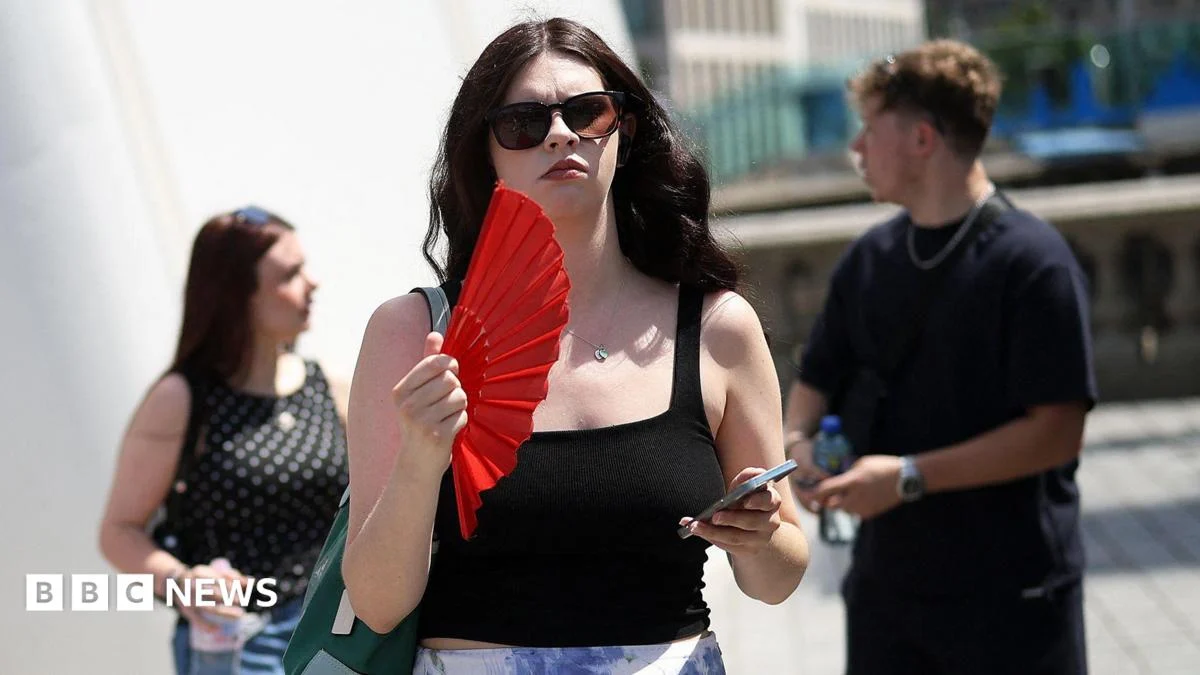
At 12:03 p.m. on Tuesday, a thermometer at Wisley, Surrey, flashed 34.6 °C – the highest temperature recorded in England this year. The scorching reading triggered a cascade of red heat alerts, and within hours, more than 300 schools announced closures.
Teachers gathered in staff rooms, pupils stared out at sweltering playgrounds, and parents stared at their phones, waiting for the next alert. The heatwave is not a fleeting inconvenience; it is a public‑health emergency that is already reshaping the routine of British families.
Why are schools closing?
Met Office officials issued red heat warnings for large swathes of England, Scotland and Northern Ireland, advising people to avoid strenuous outdoor activity. With temperatures climbing above 30 °C in many regions, schools faced two stark choices: keep pupils inside poorly‑ventilated buildings or send them home to stay safe.
Local education authorities cited the risk of heat‑related illness, especially for vulnerable children, as the primary reason for the closures. The guidance aligns with national health advice that recommends limiting exposure for people with asthma, heart conditions, or young children.
Who is affected?
More than 250,000 pupils are expected to miss at least one day of lessons, according to the Department for Education’s latest figures. The closures affect urban schools in London, rural primary schools in the Scottish Highlands, and everything in between. Teachers, many of whom commute long distances, also bear the brunt of disrupted travel plans.
Economically, the shutdown ripples beyond the classroom. Parents may need to arrange emergency childcare or take unpaid leave, adding pressure to household budgets already strained by rising energy costs.
What does this mean for the rest of the summer?
Experts warn that this heatwave could be a harbinger of more frequent extreme weather events. If such alerts become the norm, schools may need to rethink building design, invest in cooling systems, or shift to flexible timetables that avoid the hottest parts of the day.
For now, the Department for Education recommends that families monitor local forecasts on the Met Office website and stay prepared for further disruptions.
What happens next?
Authorities will review the heat alert data each afternoon and decide whether to lift the red warning. If temperatures stay above 30 °C for another 48 hours, additional closures are likely, and some schools may move to a hybrid online‑offline model.
Parents and teachers can follow the evolving story in our climate and environment coverage and see how other sectors – from transport to retail – are coping with the heat.
As Britain braces for what could be a prolonged period of high temperatures, the question looms: will school closures become a regular feature of the British calendar?