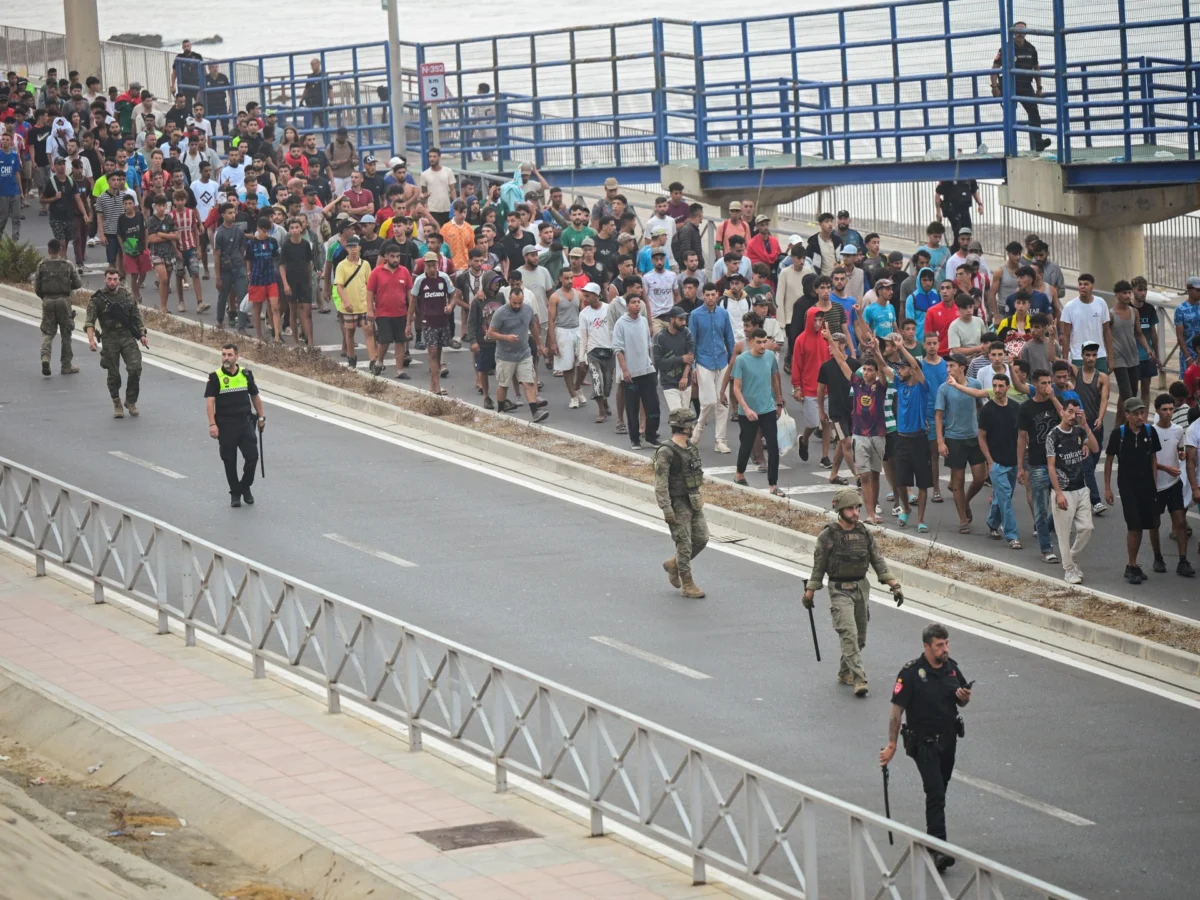
Hundreds of migrant minors remain stranded in Ceuta following a recent border crisis, according to Al Jazeera. Spanish law requires protection for unaccompanied minors, yet many of those in the city lack basic necessities such as food and shelter.
Ceuta is a Spanish autonomous city on the northern tip of Africa, bordering Morocco. It has long been a point of departure for people trying to reach Europe from the continent. Recent increases in crossing attempts have created a bottleneck at the border, leaving many migrants, including children, stuck in the enclave.
Under Spanish and European Union law, unaccompanied minors are entitled to special protection, including shelter, food, education, and healthcare. Authorities must provide these services regardless of the minor’s migration status. Reports indicate that, despite these legal guarantees, a significant number of the minors currently in Ceuta are not receiving adequate assistance.
Key Facts
- Hundreds of migrant minors are stranded in Ceuta after a border crisis.
- Spanish law mandates protection for unaccompanied minors.
- Many migrant minors in Ceuta lack food and shelter.
Where are migrant minors stranded?
The minors are located in Ceuta, a small Spanish city that sits on the Mediterranean coast opposite the Moroccan town of Fnideq. The city’s reception facilities are under pressure due to the high number of arrivals linked to the border crisis. Most of the children come from various countries seeking safety or better livelihoods. Because they are unaccompanied, they lack family networks that could help them secure housing or food. Local shelters and temporary centers are reported to be stretched thin, forcing some youths to stay in makeshift settings such as abandoned buildings or outdoor spaces.
Aid workers say the lack of coordinated registration makes it difficult to track each child’s needs, and the situation remains fluid as new arrivals continue to cross the border daily.
What does Spanish law require?
Spanish legislation, aligned with EU directives, treats unaccompanied minors as a vulnerable group entitled to immediate protection. The law obliges regional authorities to provide emergency shelter, food, clothing, and access to education and health services. Guardianship must be appointed to represent the child’s best interests, and legal proceedings should determine whether the minor can remain in Spain or be returned to a safe third country.
These provisions are meant to take effect as soon as a minor is identified by authorities or NGOs. However, bottlenecks in registration and limited resources have delayed the delivery of services, leaving many children without the support the law promises. Advocacy groups argue that the gap between legal standards and on‑the‑ground reality highlights the need for increased funding and better coordination between national and local agencies.
What happens next?
Authorities in Ceuta and the Spanish central government have said they are working to expand reception capacity and speed up the processing of unaccompanied minors. Potential steps include opening additional temporary shelters, deploying more social workers, and seeking financial support from EU migration funds.
Observers note that any lasting improvement will depend on reducing the pressure at the border, which is influenced by broader migration flows from Morocco and other African nations. Until those structural factors shift, the situation of the stranded minors may remain precarious, with continued reliance on ad‑hoc assistance from charities and volunteer networks. The outcome will also be watched by European human rights bodies, which monitor compliance with child protection obligations.
What We Know — and What We Don’t
Verified by the source:
- Hundreds of migrant minors are stranded in Ceuta after a border crisis.
- Spanish law mandates protection for unaccompanied minors.
- Many migrant minors in Ceuta lack food and shelter.
Still unconfirmed:
- The exact number of minors currently stranded.
- Which specific organizations are providing aid on the ground.
- How long the current situation will persist without further intervention.
Why It Matters
The plight of migrant minors in Ceuta touches on broader questions about how Europe balances border control with its humanitarian duties toward vulnerable children. Failures to provide adequate shelter and food not only breach domestic and international law but also risk long‑term harm to the youths’ health and development. Resolving the issue could set a precedent for how other European enclaves manage similar migration pressures.
What To Watch
Officials have yet to release a detailed timeline for expanding shelter capacity or for completing the registration of all unaccompanied minors in the city. Future updates from regional authorities or EU agencies will indicate whether legal protections are being fulfilled.