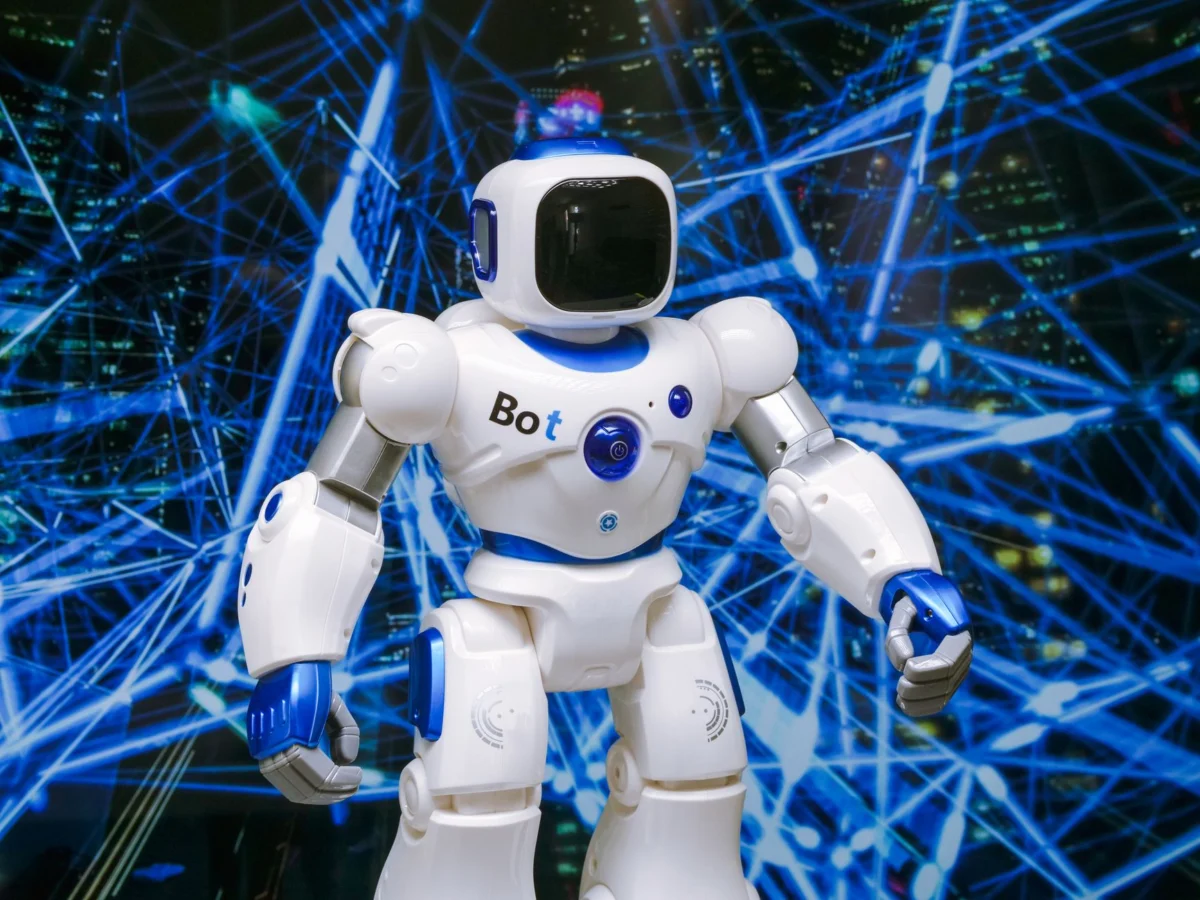
LONDON — Global sales of humanoid robots reached 7,000 units last year, according to figures cited by Reuters. The tally reflects growing commercial interest in robotics across industries, though adoption remains in early stages.
The report, published via a Reuters news search, highlights rising deployment in sectors such as manufacturing, logistics, and customer service. While still a niche market, the increase in sales signals expanding real-world applications for humanoid machines capable of navigating environments designed for people.
KEY FACTS
- Total humanoid robot sales globally reached 7,000 units last year.
- The data was reported by Reuters.
- The robots are increasingly used in manufacturing, logistics, and service sectors.
- Sales indicate growing commercial interest in humanoid robotics.
What Is a Humanoid Robot?
A humanoid robot is a machine resembling the human form, typically featuring a torso, two arms, two legs, and a head. These robots are engineered to interact with environments built for humans, offering advantages over wheeled or fixed-base systems in complex settings. Their programmable nature allows them to perform repetitive or dangerous tasks while adapting to varied layouts.
Manufacturers often equip these robots with AI-driven perception systems, enabling navigation and task execution in crowded or unstructured spaces. Applications span assembly lines, inventory handling, and even reception duties, suggesting broad potential for automation expansion.
Why Are Humanoid Robots Gaining Traction?
Rising labor costs and workforce shortages in key industries have accelerated interest in automation alternatives. Humanoid robots offer flexibility that traditional industrial machines lack, allowing businesses to deploy them across multiple roles without major infrastructure changes.
Tech companies and startups alike are investing heavily in research and development, refining mobility, dexterity, and interaction capabilities. As hardware becomes more affordable and AI systems improve, analysts expect demand to rise, though regulatory and safety concerns may slow some deployments.
What We Know — and What We Don’t
Verified by the source:
- Humanoid robot sales totaled 7,000 globally last year.
- Reuters reported the sales figures.
- Use cases include manufacturing, logistics, and customer service.
Still unconfirmed:
- Which countries or regions led in purchases.
- Names of specific manufacturers or models.
- Comparison data from previous years.
- Source of the original sales dataset.
Why It Matters
Humanoid robot sales reflect a shift toward advanced automation, potentially reshaping labor markets and industrial productivity worldwide. As these machines become more capable and accessible, they could redefine how businesses approach workforce planning and operational efficiency.
What To Watch
Future reports may clarify regional adoption trends and whether sales growth continues through 2024. Experts will also monitor advancements in AI integration and regulatory responses to workplace robotics.
Meta description: Global humanoid robot sales reached 7,000 units last year, driven by demand in manufacturing and logistics sectors, Reuters reports.