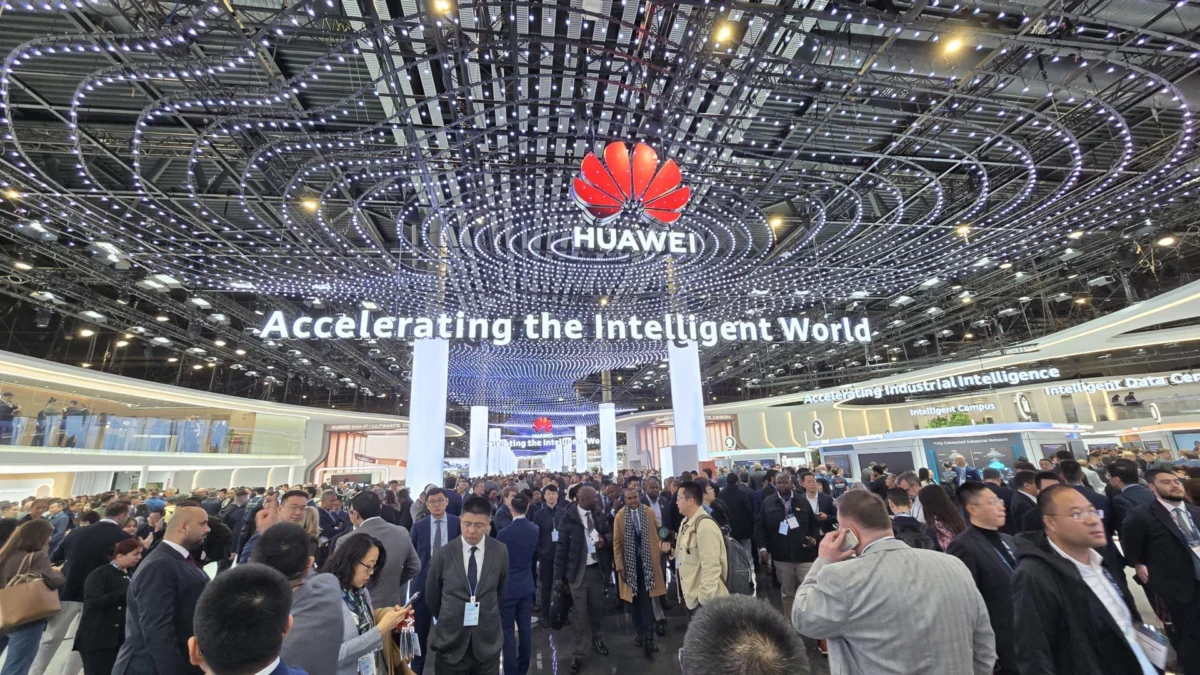
HP has entered a partnership with Huawei to license the Chinese company’s WiFi technology, despite Huawei being on a U.S. blacklist that restricts its access to American suppliers like Google. This move highlights the continued adoption of Huawei’s technology globally, even as the U.S. government maintains stringent controls on the company.
The deal underscores the challenges faced by U.S. policies aimed at limiting Huawei’s influence in global tech markets. While American companies are barred from supplying Huawei, foreign firms like HP are still engaging with the Chinese tech giant for its advanced technologies.
KEY FACTS
- HP has partnered with Huawei to license its WiFi tech.
- Huawei is on the U.S. Entity List, restricting its access to American suppliers.
- The partnership signals adoption of Huawei technology outside China.
- The U.S. has barred companies like Google from working with Huawei.
WHAT DOES THIS PARTNERSHIP MEAN?
The collaboration between HP and Huawei indicates that despite U.S. sanctions, Huawei’s technology remains attractive to global companies. The licensing of Huawei’s WiFi tech by a major U.S. firm like HP could pave the way for more such deals, challenging the effectiveness of U.S. restrictions.
Huawei has been a leader in telecommunications and networking technologies, and its WiFi solutions are widely regarded as competitive. This deal may encourage other companies to explore partnerships with Huawei, despite political and regulatory hurdles.
HOW DID WE GET HERE?
Huawei was added to the U.S. Entity List in 2019, citing national security concerns. The blacklist prevents American companies from supplying Huawei without government approval. However, the latest deal shows that non-supply collaborations, such as licensing agreements, are still possible.
The U.S. has long accused Huawei of posing risks to national security, allegations the company denies. Despite these tensions, Huawei has continued to innovate and expand its technological footprint, particularly in markets outside the U.S.
WHAT WE KNOW — AND WHAT WE DON’T
Verified by the source:
- HP has partnered with Huawei to license its WiFi technology.
- Huawei is on the U.S. Entity List, restricting its access to American suppliers.
Still unconfirmed:
- The specific terms of the licensing agreement between HP and Huawei.
- Whether other U.S. companies will follow HP’s lead in partnering with Huawei.
WHY IT MATTERS
This partnership highlights the complexities of global tech supply chains and the limitations of unilateral sanctions. As Huawei continues to develop cutting-edge technologies, companies worldwide may find it increasingly difficult to avoid engaging with the Chinese firm, despite political pressures.
WHAT TO WATCH
Observers will be watching to see if other companies pursue similar deals with Huawei and how the U.S. government responds to this partnership. The long-term impact of such collaborations on U.S. sanctions remains uncertain.