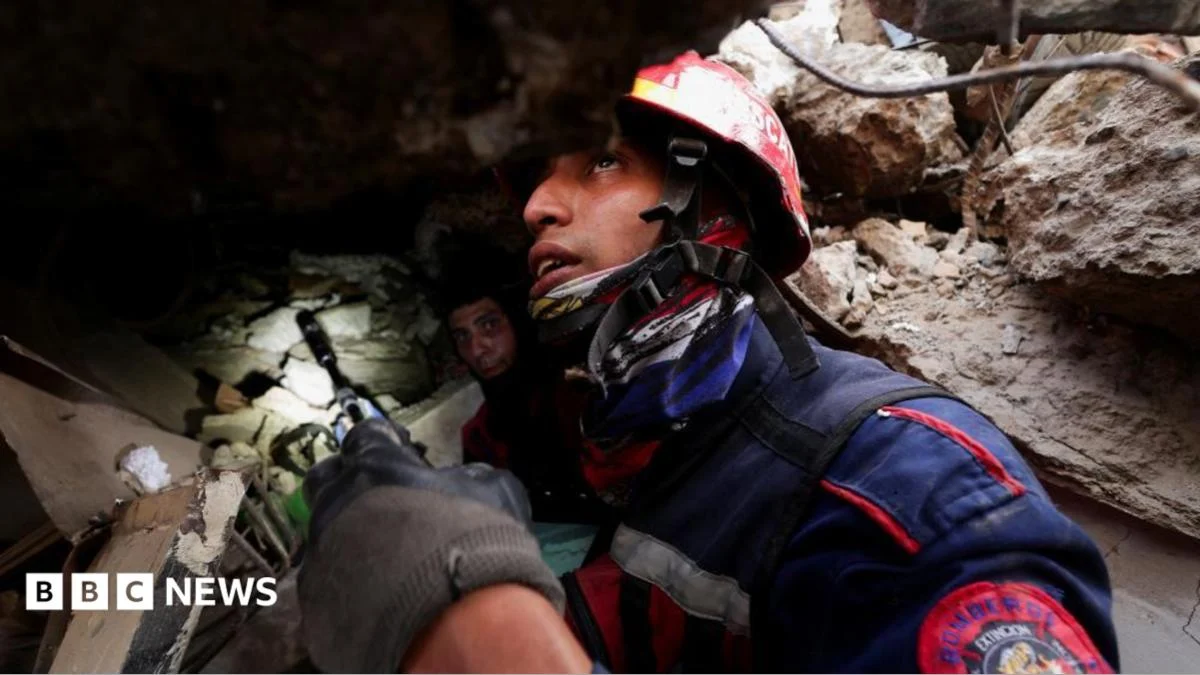
Rescue techniques including dogs, drones and sound detectors are currently being used by teams searching through earthquake rubble in Venezuela. These methods help rescuers locate survivors amid the devastation.
What rescue techniques are being used?
Search and rescue teams have deployed specially trained dogs to sniff out signs of life beneath the debris. In addition, drones equipped with cameras provide aerial views of unstable structures, allowing crews to identify safe entry points. Sound detectors pick up faint noises that may indicate trapped individuals, guiding responders to focus their efforts.
Why does this matter?
The combination of these rescue techniques improves the speed and safety of operations, increasing the chances of finding survivors before conditions worsen. By using multiple tools, rescuers can cover larger areas and adapt to the changing environment of the collapsed buildings.
Dogs bring a proven ability to detect human scent even in confined spaces, while drones reduce the need for personnel to enter potentially dangerous zones before they have a clear picture of the layout. Sound detectors add another layer of detection, capturing low‑level noises that might be missed by visual inspection alone.
Rescuers continue to rotate these tools as they move through different sections of the rubble, adjusting their approach based on the specific challenges each area presents. The coordinated use of dogs, drones and sound detectors reflects a broader trend toward integrating technology and traditional methods in disaster response.
What happens next?
Teams plan to maintain the current search efforts while also evaluating the effectiveness of each technique. Ongoing assessments will inform future deployments, ensuring that the most successful tools are prioritized in the continuing rescue mission.
Further updates are expected as the operation progresses, and the experience gained will likely influence rescue strategies in other seismic events. For more coverage on related topics, see war and geopolitics.