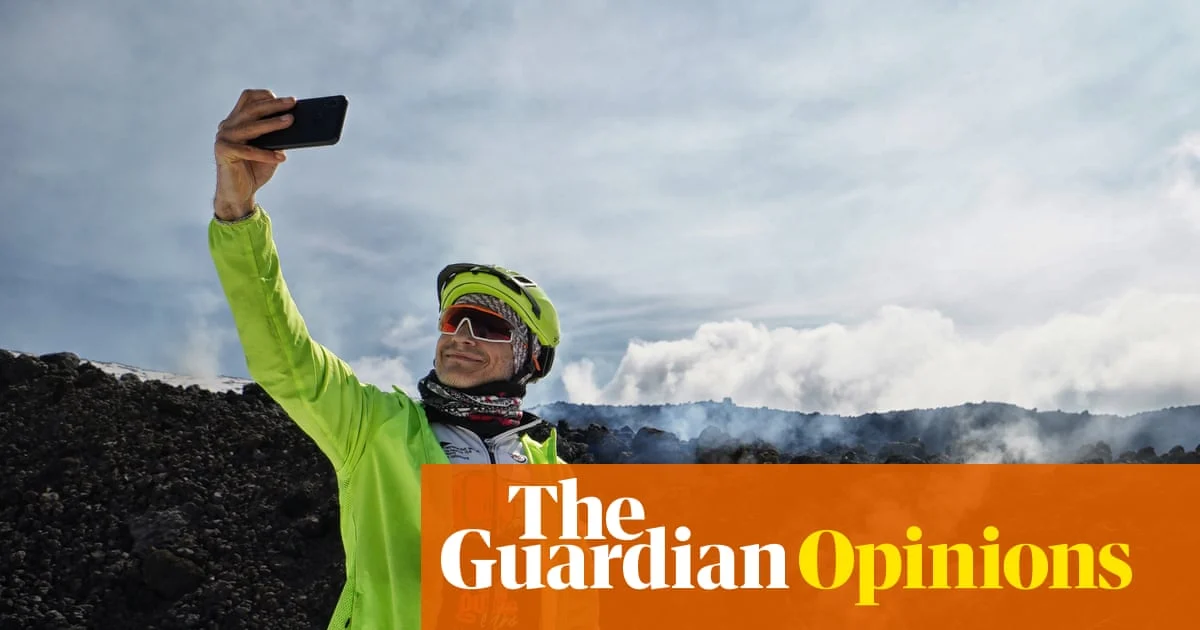
The widespread use of phone cameras to document life’s moments, from sunsets to dinners, is altering how we engage with reality. As a war correspondent, the author observed photographers using cameras as a buffer against distressing scenes. This detachment is mirrored in our everyday lives, where snapping photos often replaces fully immersing ourselves in the moment.
In Athens, the author noticed a line of silhouettes on Filopappou hill, each holding a phone camera towards the sunset. This scene highlights how technology mediates our experiences, turning moments into digital records rather than lived realities.
Key Facts
- Phone cameras are commonly used to document experiences like sunsets, dinners, and disasters.
- The author observed a line of people on Filopappou hill filming a sunset.
- Filopappou hill offers a view of Athens, including the Acropolis and nearby islands.
How Did We Get Here?
The use of cameras as a buffer between the photographer and reality has a long history. War photographers, for example, often describe the camera as a shield against the emotional toll of documenting conflict. This concept has evolved with the advent of phone cameras, which are now ubiquitous and accessible to everyone. The rise of social media has further amplified the trend, encouraging people to document and share their experiences publicly.
What Does This Mean for Us?
Phone cameras allow us to capture memories, but they can also distance us from the present moment. By focusing on framing the perfect shot, we risk missing the full sensory experience of the moment. This detachment raises questions about how technology influences our emotional connections to the world around us. While preserving memories is valuable, it’s essential to strike a balance between documenting and experiencing life.
What We Know — and What We Don’t
Verified by the source:
- Phone cameras are widely used to document personal and collective moments.
- The author observed multiple people filming a sunset on Filopappou hill.
Still unconfirmed:
- The long-term psychological effects of using phone cameras as a buffer.
- Whether this trend will lead to a broader disconnection from reality.
Why It Matters
Understanding how phone cameras shape our perception of reality is crucial as technology becomes increasingly integrated into our daily lives. It raises awareness of the potential trade-offs between capturing moments and truly experiencing them.
What To Watch
Future research and public discourse may shed light on the long-term impact of phone cameras on our emotional and psychological well-being.